Just Mazda

Blog

Your blog category

Finding reliable Mazda wreckers in Darwin NT: 4x4 and sedan parts available
Blog

Finding reliable Mazda wreckers in Darwin NT: 4×4 and sedan parts available

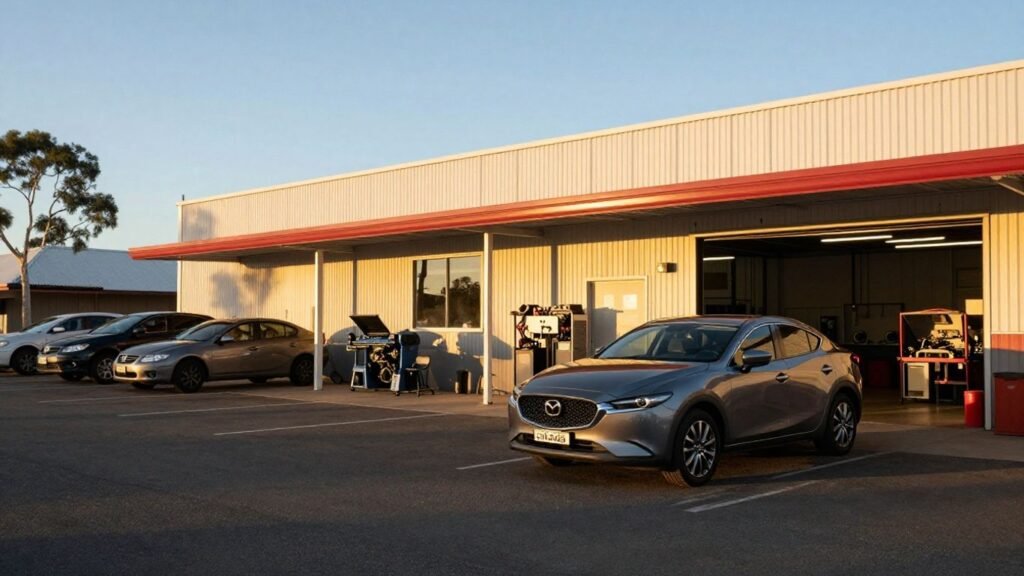
Key Takeaways Optimizing your vehicle repairs in the Northern Territory requires balancing cost-efficiency with uncompromising safety. Finding the proper components doesn’t have to be a stressful endeavor if you know what to look for. Sourcing recycling options saves a substantial amount of money compared to retail prices. Reusing auto parts decreases raw material manufacturing demands and landfill waste. local wreckers provide rapid access to rare components for discontinued Mazda models. Verifying component compatibility using your VIN prevents costly purchase mistakes. Reputable wreckers offer limited warranty coverage to guarantee component viability. The benefits of choosing used Mazda parts in Darwin Navigating the unique driving landscape of the Northern Territory requires your vehicle to be in optimal mechanical health. When it comes to maintaining or repairing your vehicle, opting for recycled spare parts is a practical and highly rewarding path. Local suppliers who specialize in dismantling vehicles provide a reliable resource for affordable and durable components. Cost savings compared to dealership prices Buying brand-new parts directly from authorized dealerships often comes with a steep premium that can make major repairs financially draining. Recycled automotive parts present an excellent alternative, offering identical utility for a fraction of the cost. Unlike purchasing new, choosing carefully extracted components allows vehicle owners to keep their cars on the road without overextending their household budgets. These savings can easily be redirected toward other critical vehicle maintenance essentials. Environmental impact of recycling automotive components Choosing recycled items is a powerful way to reduce the environmental footprint associated with manufacturing brand-new steel and plastic components. When a vehicle is dismantled, functional parts are salvaged and kept in circulation rather than being left to rust in a landfill. This circular economy minimizes the energy-intensive industrial processing required to forge fresh metal, making it a very planet-friendly choice for conscious vehicle owners. Every reused alternator or door panel represents a direct reduction in carbon emissions and scrap waste. Immediate availability for older and discontinued vehicle models Finding components for vehicles that are no longer in active production can be incredibly frustrating. Local salvage yards are treasure troves for older models, often stocking items that dealerships have long since deleted from their official catalog systems. Rather than waiting weeks for an international shipment that may not even match your model year, you can usually walk into a local yard and walk out with the exact part. This immediate access keeps older vehicles reliable and roadworthy far longer than would otherwise be possible. Identifying the right Mazda wrecker for your vehicle Finding a trustworthy automotive recycler in Darwin is essential to securing parts that will withstand the rigorous local driving conditions. Extreme heat, dust, and demanding highways put immense pressure on your vehicle, meaning every replacement component must meet strict performance standards. Selecting a specialized operator ensures you receive proper guidance, saving you both time and unnecessary frustration down the line. Assessing inventory capabilities for 4×4 versus sedan components Not every salvage yard carries an equal distribution of inventory across various vehicle formats. Some businesses focus heavily on heavy-duty commercial utility vehicles, while others maintain a rich stock of city-friendly passenger cars. To ensure a smooth shopping experience, it is smart to analyze the specialized focus of your chosen supplier before making the trip down to their yard. Vehicle Category Main Component Strengths Common Models in Stock 4×4 & Commercial Drivetrains, suspension, heavy trays BT-50, Tribute, older utility series Passenger Vehicles Body panels, electronic modules, cabin trim Mazda 2, Mazda 3, Mazda 6, CX series Analyzing this distribution helps you target suppliers that align with your vehicle type. This ensures that their staff will have specialized knowledge concerning the exact mechanical issues and assembly requirements of your vehicle class. Checking testing procedures and warranty policies on used parts Sourcing recycled options should never feel like a gamble. Reputable wrecking yards employ dedicated technicians who inspect, clean, and test mechanical components before placing them on the shelf. Always ask your supplier about their specific testing protocols and whether they offer limited warranty periods. A supplier confident in their inventory will usually provide a clear, written guarantee on major items like engines and transmissions, giving you much-needed peace of mind. Verifying the industry reputation of local Darwin suppliers With several operations offering auto spares across the region, identifying a standout business relies heavily on checking verified customer feedback and industry associations. Look for businesses that hold a strong standing in local directories or national salvage networks. Positive customer testimonials frequently highlight prompt communication, fair return policies, and accurate stock descriptions. A clean track record within the local community is a strong indicator of honest pricing and reliable customer service. Navigating inventory for Mazda 4×4 parts Conquering the rugged off-road tracks and long highways of the Northern Territory demands a robust, fully functional drivetrain. When seeking components for heavy-duty vehicles, finding a provider with specialized inventory of Mazda wreckers Darwin NT – 4×4 & sedan parts available is crucial for keeping your vehicle trail-ready. This specialized inventory ensures you can source heavy-duty components designed specifically to handle extreme off-road stresses. Sourcing essential components for BT-50 and similar utility vehicles The BT-50 is a workhorse across Darwin, frequently subjected to heavy towing, mud, and dust. Because these dual-cab and single-cab utilities are driven hard, having a steady stream of replacement parts is vital. Salvage yards are highly efficient hubs for sourcing structural trays, exterior mirrors, tow bars, and heavy-duty leaf springs. Utilizing recycled assemblies allows fleet owners and private adventure seekers alike to manage maintenance costs effectively. Confirming mechanical compatibility with your specific trim level Utility vehicles often feature minor mechanical variations across different production runs, engine displacements, and drive configurations. A simple mismatch in suspension mounts or transmission ratios can halt your repair progress instantly. Always double-check whether the donor vehicle matches your specific trim level, especially when dealing with electronically controlled transfers or active safety sensors. Taking photos of your broken parts beforehand to show the yard assistants can prevent frustrating matching errors. Inspecting
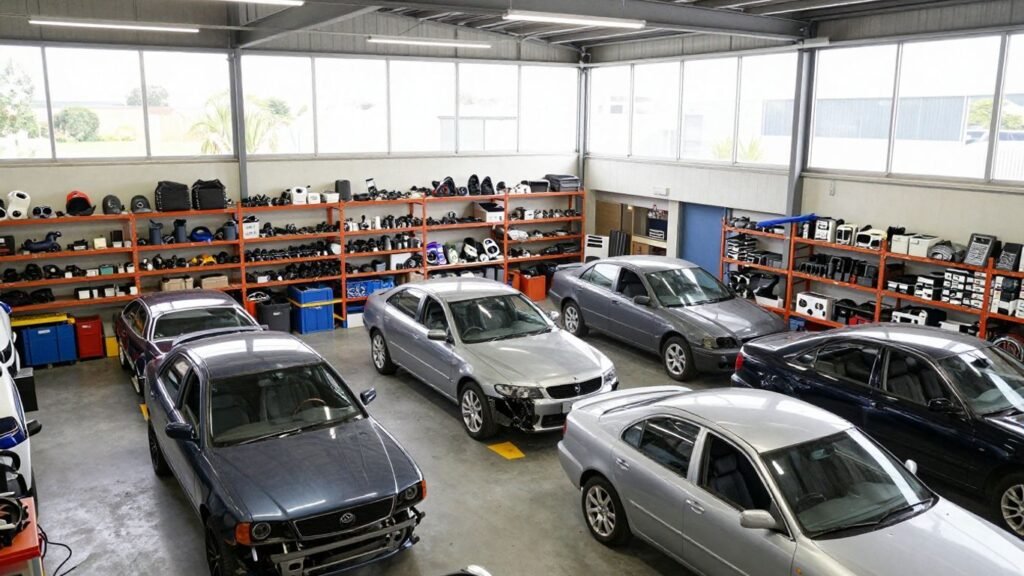
Mazda 2 wreckers Launceston – engines & diffs: a buyer’s guide
Blog

Mazda 2 wreckers Launceston – engines & diffs: a buyer’s guide

Key Takeaways Finding quality used parts for your compact hatchback involves local due diligence and careful technical vetting. Here is what you need to know to secure the right components efficiently. Assess engine oil history and compression levels before buying. Confirm engine codes are compatible with your specific year model. Utilize inventory software to save time when visiting local yards. Plan for essential maintenance fluids and hardware during your install. Review the salvage yard’s return policy for all used components. Evaluating the condition of used Mazda 2 engines When you are hunting for a replacement engine, the visual and physical indicators often tell the full story before you even commit funds. It is essential to look beyond the surface level to ensure you are getting a reliable power plant that still has plenty of life left in it. A well-maintained engine will generally show signs of regular care, whereas neglected units can lead to costly headaches later. Inspecting internal oil quality and sludge buildup Removing the oil cap is your first window into the engine’s internal health. Check for thick, dark sludge or crusty deposits that suggest the previous owner skipped oil changes consistently. Clean, amber-hued residue is exactly what you want to see when peaking into the valvetrain area. Verifying accurate mileage and service history documentation Mileage is not just a number on an odometer; it is a story of total usage. Always ask for proof of service or look for tags under the hood that might verify recent timing belt or fluid changes. If the yard cannot provide a history, treat the purchase with caution. Conducting a compression test before finalizing the purchase A compression test reveals the health of the internal rings and valves. While it might seem complicated at a salvage yard, it is the only real way to know if your reliable engine performance is guaranteed before dropping it into your bay. Checking for external leaks and original gasket integrity External oil leaks from the valve cover or front main seal are often manageable, but coolant leaks at the head gasket are dealbreakers. Inspect the engine block for signs of pooling dried coolant, which usually points to compromised seals that require major labor to rectify. Understanding compatibility for Mazda 2 drivetrain components Drivetrain components often look identical externally but can contain subtle differences that prevent installation. Compatibility is the biggest hurdle when swapping parts between production years or different trim levels. Taking the time to verify your specific configuration now will save you from having to return the part later. Matching engine codes for specific model year ranges Engine codes define the specific internal architecture and sensor mapping of your power unit. Always confirm your VIN matches the engine donor, as even small changes between model years can affect wiring harnesses. Utilizing Mazda Genuine parts documentation often helps clarify these technical matches. Distinguishing between manual and automatic transmission mounting points Automatic and manual transmissions often feature different mounting patterns on the block. Attempting to force an incorrect transmission into place can damage the bolt holes permanently. You must check the bellhousing shape before finalizing your choice. Ensuring differential gear ratios align with your current transmission Differential ratios determine how your car accelerates and maintains highway speeds. Mismatched ratios can cause significant strain on your drivetrain and trigger electronic safety warnings on the dashboard. Refer to the table below to compare typical findings. Part Type Typical Ratio Common Conflict Manual Diff 4.10:1 Automatic housing Auto Diff 3.90:1 ECU mismatch High Ratio 4.30:1 Sensor error After comparing the gear values, verify that the differential you choose is rated for the output capacity of your specific engine. Identifying variations in sensors and electrical connectors Wiring pinouts often undergo minor revisions between model cycles even within the same make. If the connector looks different, it might still carry the same signals, but you risk frying electronics if you mismatch the wiring. Always carry a reference photo of your original plug when scouting the yard. Navigating local car wreckers in Launceston Launceston has several wrecking yards, each with its own niche and expertise. Finding the right yard often comes down to knowing which ones prioritize inventory management and customer safety. You will find that regular visitors to these yards often have an easier time locating hard-to-find components like specific differentials or engine accessories. Determining which yards specialize in Japanese compact cars Some wreckers in the region strictly handle older sedans or heavy 4×4 vehicles. Focus your search on businesses that maintain a stock of small Japanese hatchbacks to ensure a higher probability of finding compatible parts. Utilizing inventory software to check stock before visiting Most modern yards now use digital tracking systems that reveal if a part is in the yard or off the shelf. Calling ahead or checking online databases saves you the trip if the specific transmission or alternator has already been sold. Assessing the organizational standards of local wrecking yards A well-organized salvage yard is usually a sign that they care as much about their mechanical items as they do about their yard safety. Look for facilities where components are stored off the ground away from the harsh Tasmanian weather elements. Clean indoor or covered storage for mechanical parts suggests you are less likely to encounter significant rust or rodent damage on critical electrical sensors. Negotiating fair pricing for high-demand drivetrain components High-demand parts often have fixed prices, but you can sometimes negotiate if you are buying a package deal. Bringing your own tools and removing the part yourself is one common way to reduce costs at salvage yards that allow labor-based pricing tiers. Best practices for installing salvaged Mazda 2 parts Installing used drivetrain parts requires a methodical approach to ensure that the salvaged components integrate properly with your existing chassis. You should treat every second-hand part as if it needs a full check before it sees the road. A little extra time spent on the bench prevents a repeat of the entire removal process

A guide to finding Mazda wreckers Hobart Tasmania for genuine used parts
Blog

A guide to finding Mazda wreckers Hobart Tasmania for genuine used parts

Key Takeaways Finding the right components for your vehicle involves understanding the market and knowing exactly what to look for in a used part. Here are the core insights for sourcing quality parts in Tasmania: Genuine used Mazda parts offer superior fitment compared to many aftermarket alternatives. Inspecting components for wear or fatigue before purchase prevents future installation headaches. Always verify your vehicle’s identification number to ensure exact compatibility with the sourced part. Maintaining a personal relationship with local wreckers can often lead to finding hard-to-locate items. Reliable wreckers typically provide warranties, so clarify the terms before completing any transaction. Why buy genuine used Mazda parts in Hobart When maintaining your vehicle, choosing the right source for repairs makes all the difference in long-term reliability. Exploring local salvage solutions provides a smart alternative to purchasing expensive new items from an official brand dealership. By focusing on salvaged components, you can often restore your car to its original performance levels without unnecessary overhead. Cost-effectiveness compared to new dealership parts Choosing recycled components allows you to save significantly on repair expenses without compromising on the specifications of your engine or bodywork. New dealership items often come with a premium price tag that reflects overhead rather than the intrinsic value of the hardware itself. Quality assurance and original equipment manufacturer (OEM) standards When you source parts pulled directly from other Mazda vehicles, you receive factory-verified components designed to perform exactly as the engineers intended. These genuine items ensure an exact structural fit for your specific model configuration, which reduces the labor time needed during the installation process. Environmental sustainability through car recycling Opting for reused components helps reduce the massive energy demand required to manufacture new steel, plastic, and electronic sensors from scratch. This circular approach to auto repair limits landfill waste while extending the life cycle of hardware that remains completely functional despite being removed from its original host vehicle. Immediate availability for older Mazda models Even when manufacturers stop producing new spare items for older model years, specialized yards remain a vital resource for keeping classic units on the road. You can often track down discontinued trim pieces, brackets, or specific electrical modules that simply do not exist at traditional retail counters anymore. Understanding the Mazda wrecker supply chain Navigating the supply chain of local auto salvagers is essential for any owner looking to secure high-quality components. These businesses function by acquiring end-of-life vehicles through insurance auctions or direct owner sales, carefully evaluating them to see which systems remain operational. This organized approach ensures that only salvaged goods with legitimate service potential reach the storefront. How wrecked vehicles are sourced and assessed Professionals evaluate incoming cars for structural integrity, checking if the engine and transmission block remain sound after an accident or mechanical failure. A thorough assessment process separates total losses from those with salvageable, high-demand mechanical systems. The process of stripping and cataloging components Once a car arrives, skilled technicians methodically remove working parts to test and store them in secure inventory systems for later identification. They prioritize sensitive items like alternator units, fuel injectors, and suspension arms, logging each piece with specific usage data and model years. Differences between aftermarket alternatives and genuine used parts Feature Genuine Used Parts Aftermarket Alternatives Material Quality Factory Grade Variable Fitment Precision OEM Guaranteed Often Requires Modding Part Reliability Proven Service History Uncertain Longevity Selecting factory-spec items ensures your car operates within its designed parameters, while aftermarket copies might occasionally fall short of the required tension, voltage, or clearance standards. Assessing part quality and condition Inspecting individual components requires a keen eye to ensure you are getting real value for your money. Beyond looking at the outer appearance, you must verify that the gear is functionally sound and free from hidden faults that could lead to premature failure upon reinstallation. Checking for signs of excessive wear or component fatigue Look for symptoms like oxidized metal, frayed connectors, or leaking seals that indicate the piece has reached the end of its useful life. Careful observation of these physical characteristics tells you far more about the history of the unit than a quick glance at the casing ever could. Requesting documentation or service history for engines and transmissions Whenever possible, ask for the odometer reading or maintenance logs associated with the salvaged engine to get an accurate picture of its workload. Knowing the previous service interval helps you determine if the block or head assembly requires any immediate refreshing before it is mounted into your own frame. Understanding typical warranties offered by Tasmanian wreckers Most reputable salvage yards stand behind their stock by providing a limited guarantee period for major mechanical assemblies like gearboxes and cylinder heads. Smart buyers understand that a written warranty provides lasting peace of mind, ensuring that even if an issue arises after the sale, the support remains available to resolve it efficiently. Establishing this agreement in advance protects your investment and provides a safety net if a part does not function correctly once installed by your technician. How to identify genuine Mazda stamps and unique part numbers Genuine factory parts always feature specific casting marks or stamped identification codes that verify their origin. Cross-referencing these unique codes against your vehicle owner manual or digital search databases confirms the hardware is perfectly matched to your specific engine and chassis version. Navigating the Hobart market for auto parts Tasmania maintains a tight circle of specialized automotive suppliers who cater to local drivers through direct sales or regional shipping. Understanding how these companies operate allows you to streamline your search and minimize the downtime your vehicle spends off the road. Local pickup versus shipping options across Tasmania For heavy items like hood panels or full dashboards, driving to a local Hobart yard often makes the most sense. If you cannot make the trip, many providers offer freight services or courier arrangements that bring the goods directly to your driveway or your chosen mechanic’s shop. Tips for researching and vetting reputable Mazda wreckers

Finding affordable used Mazda transmissions in Mount Gambier at competitive prices
Blog

Finding affordable used Mazda transmissions in Mount Gambier at competitive prices

Key Takeaways Finding a replacement transmission for your vehicle involves careful research to ensure compatibility and value. These five essential steps guide your search to success. Accurately match your VIN to ensure the transmission fits your specific build. Explore local wrecking yards to inspect components firsthand before purchasing. Compare pricing across regional suppliers to secure the best deal. Always verify the fluid history and maintenance records for reliability. Professional installation is critical to protecting your investment and warranty. Understanding transmission compatibility for Mazda models When you begin searching for a new gearbox, the sheer variety of drivetrain configurations can feel overwhelming. It is important to approach this process methodically to avoid the headache of a part that simply does not fit. By breaking down your vehicle’s requirements into smaller, manageable chunks, you can ensure that the replacement unit functions seamlessly with your existing powertrain. Checking your specific vehicle identification number Your vehicle identification number, or VIN, is the most accurate blueprint for your car. It contains all the necessary data points regarding the original transmission specifications, including gear ratios and internal sensor variations. Ignoring these details can lead to severe mechanical mismatches that cause electronic control unit failures. Distinguishing between manual and automatic transmission variants It might seem obvious, but mixing up transmission types is a common mistake that is difficult to rectify post-purchase. Manual units rely on clutch engagement and specific manual linkage setups, whereas automatic variants integrate complex hydraulic valve bodies and torque converters. You must verify that your replacement aligns with the exact drivetrain layout currently governing your vehicle. Identifying compatibility across different Mazda model years Even within the same generation, minor engineering updates can change how a transmission communicates with the engine computer. Sometimes, a transmission built for a 2018 model may not be perfectly compatible with a 2019 version if the manufacturer upgraded the software or mounting brackets mid-cycle. Verify the interchange database to confirm that the donor transmission matches your specific manufacturing month and year. Where to source reliable used Mazda transmissions in Mount Gambier Finding a dependable source for automotive parts often comes down to knowing where the local industry congregates. In a smaller regional center like Mount Gambier, relationships and reputation go a long way. Identifying suppliers who prioritize quality testing will save you from the anxiety of receiving a dud unit. Visiting local professional wrecking yards Local wrecking yards offer the massive advantage of letting you personally inspect the part before any cash changes hands. You should look for yards that process salvage vehicles systematically, as they are more likely to have properly tagged, cleaned, and stored units on their shelves. Engaging with local staff can also provide insight into the vehicle the transmission originated from, such as the total mileage and accident history. Checking specialized automotive salvage platforms If local stock is limited, you might need to broaden your search to specialized online automotive salvage networks that aggregate inventory from across the state. These platforms often provide a more transparent view of availability and pricing, allowing you to filter by specific donor vehicle details. Just ensure the platform supports secure transactions to protect your purchase. Evaluating inventory at local auto repair shops Many transmission specialists in the area may have "take-out" units from customer cars that were repaired rather than replaced. These shops often hold onto quality used transmissions that were pulled from vehicles with different catastrophic failures, meaning the transmission itself may still be in excellent operating condition. Asking around at your trusted mechanic’s shop is often an overlooked way to find a reliable used Mazda transmission. Strategies for securing competitive prices in the local market Navigating the pricing landscape requires a proactive approach and an understanding of market dynamics. You should not assume the first quote you receive is the fair price, as volatility in demand can cause listings to shift. Being prepared to act quickly while maintaining a clear budget will help you secure the best possible deal without compromising on quality. Comparing quotes from multiple regional suppliers To ensure you are paying a fair market rate, collect data from several sources and compare the offerings. When gathering these figures, focus on the total cost including shipping, as freight on such a heavy component can significantly inflate your final expenditure. Supplier Type Average Price Range Warranty Included Individual Private Seller $800 – $1,200 No Local Professional Yard $1,100 – $1,600 30 Days Specialized Salvage Firm $1,400 – $2,000 90+ Days Keeping this comparison in mind, prioritize suppliers who provide both a clear warranty and documented proof of the unit’s operating history rather than simply choosing the cheapest option. Negotiating based on current market value Once you have a baseline price from your comparisons, you are in a stronger position to negotiate. If a unit has sat in inventory for a long time or shows minor cosmetic wear that does not affect performance, you can often propose a reduced price. Use your research findings to support your offer, demonstrating that you are an informed buyer who knows the value of the part. Understanding the impact of mileage and condition on pricing High-mileage units will naturally command lower prices, but they also bring higher risks regarding seal integrity and internal bearing wear. Conversely, a low-mileage transmission pulled from a well-maintained vehicle is worth a premium. Always weigh the upfront savings of a cheaper, older unit against the potential cost of early failure. Assessing the condition of a used transmission Visual and mechanical inspections are your only real defense against buying a failing component. Even if a seller promises the world, you must conduct your own verification to be certain the internals are still functioning as intended. Taking the time to look for red flags now prevents a massive technical failure in the middle of a busy workday. Looking for signs of physical casing damage Begin your assessment with a thorough walk-around of the transmission casing, looking for cracks, weld repairs, or signs of heavy impact. Any structural damage

Managing your vehicle with Mazda wreckers in Adelaide, South Australia: A guide for all models
Blog

Managing your vehicle with Mazda wreckers in Adelaide, South Australia: A guide for all models

Key Takeaways Maintaining a vehicle is an ongoing responsibility that can be simplified through the professional use of salvage facilities, supporting both sustainability and your personal budget. Here are the five key takeaways for managing your Mazda effectively: Automotive recycling significantly diminishes the demand for new manufacturing resources. Identifying expert wreckers ensures you receive parts specifically compatible with your vehicle’s chassis. Professional facilities in South Australia often provide warranties on salvaged components. Selling a salvageable vehicle requires specific documentation for a lawful and seamless transfer. Local sourcing acts as the most cost-effective way to repair your vehicle while minimizing downtime. Understanding the role of Mazda wreckers in Adelaide Professional wrecking facilities serve as a vital link in the automotive lifecycle, bridging the gap between a retired vehicle and the roads still traveled by active drivers. These businesses carefully dismantle cars, salvaging functional components to extend the lifespan of other vehicles within the region while diverting material from landfills. Engaging with these experts allows owners to keep their cars running smoothly without the high cost of brand-new parts. Environmental benefits of automotive recycling The environmental footprint of a vehicle is significantly eased when parts are reused rather than discarded. By salvaging steel, aluminum, and complex mechanical assemblies, wreckers reduce the energy-intensive demand for refining raw materials and producing new car components. Recovering functional parts from older or damaged vehicles prevents thousands of tons of metal from remaining inert in scrap heaps, effectively closing the loop on automotive resource consumption. This deliberate cycle of reuse supports a cleaner environment for the local community. How wreckers support the local circular economy The local economy thrives when businesses trade within the community, keeping capital circulating locally. By sourcing components from nearby facilities, owners directly support Adelaide businesses, which in turn use those resources to maintain local expertise and job security in the automotive sector. Distinguishing between professional wreckers and general scrap yards There is a world of difference between a professional automotive dismantler and a simple scrap yard that merely crushes vehicles for metallic scrap value. A professional operation takes the time to test components, catalogue specific part numbers, and store items to prevent corrosion, whereas general scrap yards focus purely on weight-based recovery rather than part usability. Identifying the right wrecker for your Mazda model Finding a partner for your maintenance needs requires looking for those with specific experience in the Mazda brand, as these vehicles have unique engineering considerations. It is best to reach out to establishments that understand the evolution of the brand, from the classic silhouettes of older models to the high-tech systems found in today’s newest releases. When you choose a facility familiar with the intricacies of Mazda wreckers Adelaide South Australia – all models, you ensure a smoother experience from inquiry to installation. Specialized knowledge for older versus new Mazda models A specialized wrecker maintains deep knowledge of legacy models alongside the latest releases. Whether you are hunting for air flow meters for a 323 or complex electronic sensors for a recent Mazda 3, a dedicated wrecker understands the precise fitment differences that come with generational design shifts. Checking stock compatibility for your specific chassis Compatibility is rarely one-size-fits-all, as even within the same model year, sub-models or trim levels might utilize different components. Providing your VIN allows the wrecker to cross-reference parts against your specific build requirements, removing the guesswork from your restoration or repair project. Verification of licenses and industry accreditation in South Australia Operating in South Australia is subject to strict industry standards regarding environmental handling and legal title acquisition. Checking that a business holds the necessary permits confirms they are established, reputable, and authorized to handle the complex process of vehicle dismantling and parts salvage. How to source genuine used Mazda parts Sourcing reliable components for your vehicle involves more than just finding the cheapest price; it is about finding quality parts that meet stringent standards. By working with established organizations like JCS Parts, you can find genuine used OEM parts that have been professionally dismantled, cleaned, and stored indoors to ensure their reliability and performance. Prioritizing genuine components ensures that the fitment remains factory-standard, which is critical for long-term vehicle safety. Benefits of buying original equipment manufacturer parts over aftermarket alternatives Choosing manufacturer-direct parts provides an assurance of quality that cheaper, generic aftermarket replicas often lack. Genuine parts are built to the exact specifications of the original design, ensuring they perform exactly as the engineers intended. Part Category Compatibility Guarantee Durability Rating Engine Assemblies High Superior Body Panels Exact Fit Long-Lasting Electrical Sensors Precision Reliable This table illustrates why genuine components often serve as the most dependable replacement choice for your specific model. Inspecting used components for signs of wear and tear Even with high-quality inventory, a visual check is helpful before completing your purchase. Look for signs of excessive thermal fatigue in plastics or uneven wear on mechanical surfaces, as these are common indicators of past stress that could impact the remaining service life of the component. Understanding the warranty terms provided on salvaged parts Reputable wreckers frequently back their inventory with specific warranty terms, offering an extra layer of protection for the buyer. Confirming the duration and terms of this warranty provides you with peace of mind, knowing that your investment is protected against early failure. Selling your wrecked or salvageable Mazda When a vehicle is beyond repair or simply no longer serving its purpose, selling it to a wrecker is a sensible way to close out its ownership. This process helps you regain some of the vehicle’s residual value while ensuring it is recycled responsibly rather than left to deteriorate on your property. Assessing the fair market value of your damaged vehicle Determining the value of a salvage vehicle involves looking at the current demand for your specific parts in the local market. While damage affects the driveability, the value lies in the intact mechanical systems, body panels, and interior accessories that can still serve other owners. Required documentation

A complete guide to buying used Mazda engines in Mandurah: local pickup or delivery options
Blog

A complete guide to buying used Mazda engines in Mandurah: local pickup or delivery options

Key Takeaways Finding the right power unit for your vehicle requires careful planning and localized research to ensure long-term reliability and budget control throughout the replacement process. Assess internal engine wear and maintenance history before committing to any purchase. Prioritize sellers who provide transparent compression test data and clear service documentation. Verify electronic component compatibility between the donor engine and your specific chassis code. Choose between local transport solutions or professional freight services based on your workshop setup. Confirm all warranty terms and installation requirements in writing before the engine arrives on-site. Evaluating the condition of used Mazda engines When sourcing replacement parts from local automotive suppliers, the health of the engine block is paramount to a successful rebuild. You must look past cosmetic cleanliness to evaluate the internal mechanical integrity of the motor. A thorough process involves examining both high-mileage stress points and the overall history of fluid maintenance within the unit. Inspecting high-mileage engine blocks for wear High-mileage components require a careful visual survey to identify signs of thermal stress. Look for oxidized metal surfaces that suggest previous overheating incidents, as these conditions often lead to warped cylinder heads and compromised valve seals. Verifying compression test results from the supplier Ask the supplier for a printed compression report prior to finalizing your payment. Consistent readings across all cylinders ensure that the pistons and rings remain within factory tolerances, providing a reliable indicator of compression performance for any upcoming installation. Checking for internal sludge buildup and oil leaks Removing the valve cover provides an immediate view of the internal cleanliness of the engine. Heavy sludge deposits often signal missed oil changes, which can quickly accelerate wear on critical bearings and camshaft components during standard operation. Assessing the physical integrity of cooling system components Corrosion near the water pump housing often suggests that the cooling system was historically neglected or filled with incorrect coolant types. Inspect all aluminum interfaces for pitting, as these areas are prone to failures that can cause coolant leaks after the engine is installed. Determining compatibility with your specific Mazda model Vehicle configurations often shift mid-production, making it essential to cross-reference donor components against your existing setup. Relying on basic model names is frequently insufficient for modern vehicles that integrate sophisticated systems like the Mazda CX-70. Using the VIN ensures that the auxiliary systems and mountings align correctly with your chassis hardware. Matching engine codes accurately to your vehicle identification number Engine codes are typically stamped directly into the engine block or found on a metal tag attached to the timing cover. Cross-referencing this specific code against your VIN prevents the common issue of receiving a unit meant for a different regional market. Distinguishing between automatic and manual transmission variants Flexplate and flywheel bolt patterns vary significantly based on the transmission type attached to the engine at the factory. Inspecting the crankshaft end ensures that your existing transmission will bolt up without requiring expensive modifications or custom machining. Ensuring electronic control unit and harness compatibility Modern engines depend on complex wiring harnesses and specific ECU versions to operate ignition timing and fuel delivery. Verify that the harness connectors on your prospective engine match the existing plugs in your engine bay to avoid time-consuming electrical pin-outs. Identifying year-specific sensor variation and hardware changes Sensors for mass airflow, oxygen monitoring, and coolant temperature frequently evolve within single model generations. Note that a Mazda CX-70 engine incorporates specific sensor arrays designed to support broad internal electrical communication that might differ in older or base models. Sourcing inventory from Mandurah automotive wreckers Successful sourcing relies on building a relationship with a local yard that maintains organized, documented inventory. Finding the right Used Mazda engines Mandurah – local pickup or delivery requires a systematic approach to weeding out poor-quality salvage components through proactive research. Prioritizing local wreckers with verified Mazda-specific inventory Focus your search on yards that specialize in specific Japanese marques. These shops typically maintain more accurate records and possess the technical knowledge necessary to verify if a specific engine variant belongs to a compatible model year. Evaluating the documentation history of salvage engines Ask for the donor vehicle’s history, including mileage and previous accident reports if they are available. Reliable wreckers will track the source of their salvage, providing clarity on how the vehicle was maintained before it entered the yard. Testing the transparency of local wrecking yard grading systems Most reputable yards operate on a strict grading scale that reflects the mileage and condition of the engine. Observe whether the staff can explain the grading criteria clearly, such as the specific tests performed on alternators or starter motors attached to the block. Scheduling on-site visits for personal component inspection Even with detailed photos, visiting the yard is the best way to verify the condition of the engine physically. Walk through the facility and observe the storage conditions, ensuring the engine has been kept away from moisture and harsh environmental hazards. Logistics: local pickup vs. professional delivery Moving an engine block requires specialized equipment to prevent structural damage to the mounting points or sensitive electronic sensors. Most professional workshops utilize lifting chains and reinforced platforms to keep individual engine blocks stable during transport. Planning specialized transport for heavy engine blocks Securing the engine to a pallet or a dedicated engine stand is standard practice for regional transit. Ensure your transport vehicle has adequate weight capacity and that you have the necessary lifting gear upon arrival to avoid physical injury during the transfer. Calculating the true cost of freight and courier services Professional delivery saves significant effort but creates a measurable impact on your total project budget. Consider the convenience of direct workshop delivery against the requirement of having a two-person team available at the loading dock for delivery completion. Preparing your garage or workshop to receive an engine delivery Before the engine arrives, ensure your floor space is clear and your hoist is fully operational. A cluttered environment makes it difficult to maneuver the engine safely once it

Ultimate guide to Mazda wreckers Perth WA: Finding parts for Mazda 3, 6, CX-5, and BT-50
Blog

Ultimate guide to Mazda wreckers Perth WA: Finding parts for Mazda 3, 6, CX-5, and BT-50

Key Takeaways Finding the right spare parts for your vehicle doesn’t have to be a stressful or expensive ordeal. Here are the most essential steps for navigating the Mazda salvage market in Perth: Verify that your chosen wrecker holds all necessary operating licenses for local automotive recycling. Prioritize yards that maintain organized inventories for popular models like the Mazda 3, 6, CX-5, and BT-50. Always ask about the specific warranty terms included with any salvaged mechanical or electronic components. Check genuine part numbers against your VIN to ensure exact compatibility before completing your purchase. Prepare your vehicle for wrecking by removing personal items and gathering all relevant ownership documentation. Choosing a reliable Mazda wrecker in Perth Finding a trustworthy partner for your vehicle needs is essential when you want to avoid unnecessary hassles. A reputable service provider will guide you through the process, ensuring you receive high-quality service and honest advice regarding your specific vehicle’s requirements. By choosing a facility that values local community trust, you ensure that your repairs or sales proceed without unexpected complications or hidden costs. Checking business authenticity and licensing Always start by confirming that the company is a legitimate, licensed business operating under regional environmental and safety regulations. You can check local business registries to see if they hold the appropriate permits for vehicle dismantling and salvage. A professional wrecker will be transparent about their credentials and happy to discuss their operational practices. Evaluating customer feedback and reputation Online reviews and direct recommendations provide a glimpse into the reliability of a wrecking service. Look for consistent stories regarding the quality of parts supplied and the professionalism of their staff during site visits. WA Auto Parts is one example of a local operator with a strong reputation for managing the salvage process efficiently. Verifying warranty offerings on salvaged parts Even with used components, a reputable business should provide some form of guarantee on the items they sell to signify their confidence in the testing process. Before handing over your payment, clarify the duration and conditions of any warranty included with your purchase, as this protection is vital for your peace of mind. Sourcing parts for specific Mazda models Locating specialized components for your vehicle often requires working with professionals who have deep knowledge of the brand’s engineering. When you need to keep your car performing at its best, having a reliable source for genuine components can save significant time and money compared to buying new parts from the dealership. Developing a relationship with local specialists ensures you get the right fit every time. Locating engine components for Mazda 3 and 6 Engine health is critical for long-term vehicle reliability, and sourcing these central components requires precision. By matching the engine code exactly to your model year, you can find durable, tested replacements that offer substantial value. Part Type Condition Status Compatibility Notes Cylinder Head Inspected Fits 2.0L and 2.5L Alternator Tested/Verified OEM Series 3 models Fuel Pump Bench Tested Genuine factory spec Using these data-driven checks helps ensure that your replacement engine components integrate seamlessly with your existing vehicle infrastructure without any modification errors. Finding suspension and body panels for the CX-5 Finding body panels that match your exact vehicle color can be a game changer for aesthetic repairs. Fremantle Wreckers specializes in maintaining a massive inventory, which often includes high-quality suspension assemblies and exterior panels specifically for the SUV series. Always verify the mounting points are structural and free of hidden rust or damage before committing to the purchase. Acquiring heavy-duty parts for the BT-50 ute Utility vehicles generally endure harder usage cycles, making the search for heavy-duty components more demanding. Whether you need transmission support or robust drivetrain parts, you should seek out salvage yards that understand the unique strain placed on a ute. This ensure that your replacement parts provide lasting durability for your daily work requirements. Benefits of buying recycled Mazda parts Choosing recycled components is a smart economic decision that also supports more sustainable industry practices throughout Western Australia. Instead of manufacturing new materials, reusing existing factory-built components helps reduce waste while keeping your repair bills manageable. When you source well-maintained parts, you are effectively extending the lifecycle of high-quality engineering. Cost savings compared to dealership prices Directly comparing prices often reveals that salvage parts cost a fraction of their showroom counterparts. For many common mechanical repairs, these savings allow owners to prioritize maintenance without sacrificing the structural integrity of their vehicle. This makes it possible to maintain the same performance levels while remaining well within your intended service budget. Environmental impact of automotive recycling Every part that is recovered and reused contributes to a healthier local environment by preventing unnecessary scrap in landfills and reducing the demand for new resource extraction. This responsible approach to vehicle lifecycle management ensures that functional parts continue to serve a purpose for as long as possible. Quality assurance for genuine factory components Frontline Auto Wreckers emphasizes rigorous testing of all salvaged items to ensure they meet strict operating standards before being listed for sale. This process helps bridge the gap between affordability and performance reliability. The value of a recycled component lies in the thoroughness of its initial inspection and the verification of its remaining serviceable life in a new application. By following these high testing standards, professional wreckers guarantee that the parts you receive are reliable and ready for installation into your vehicle. Inspecting used auto parts before purchase Taking a hands-on approach to verification acts as an additional layer of protection throughout your repair project. Even when purchasing from a reputable yard, a few minutes of careful inspection can prevent the installation of unsuitable or damaged goods. This simple step ensures that your time and money are spent effectively. How to check for wear and structural integrity Look closely for signs of excessive rust, stress fractures, or uneven wear patterns on any metal components. For mechanical items, verify that the surfaces are smooth and the build quality hasn’t been compromised by

Buying second hand parts from Mazda 6 wreckers Toowoomba: A complete guide
Blog

Buying second hand parts from Mazda 6 wreckers Toowoomba: A complete guide

Key Takeaways Sourcing second-hand Mazda 6 parts in Toowoomba helps reduce repair costs and extends the vehicle’s lifespan while supporting local businesses. Understanding compatibility and quality assessment remains crucial for a successful restoration. Local wreckers offer significant cost savings over dealership new prices. Compatibility checks ensure the correct model year and variant match. Quality parts are verified through salvage yard grading and inspection. Toowoomba wreckers provide reliable OEM components for various models. Proper installation improves vehicle safety and performance longevity. Benefits of choosing local wreckers for Mazda 6 parts Searching for parts locally in Toowoomba provides a practical alternative to navigating high dealership costs. By engaging with long-standing local businesses, residents can secure functional replacements that keep their vehicles operating reliably. Cost savings compared to dealership prices Choosing recycled components often results in dramatic financial relief when compared to buying factory-new items. Because many parts retain high utility after being removed from a vehicle, homeowners can save significantly on routine repairs without sacrificing core functions. Immediate availability of hard-to-find components Local yards often hold a deep inventory that isn’t typically seen on standard retail shelves. When you need a specific module or body panel that is no longer in production, the salvage market acts as a essential resource for keeping older models on the road. Supporting Toowoomba’s local automotive recycling industry By keeping transactions within the region, you actively contribute to a sustainable circular economy that values waste reduction. This support helps keep independent recyclers viable, ensuring that expertise and inventory remain accessible to the wider Darling Downs community. Access to original equipment manufacturer (OEM) quality parts Genuine Mazda components designed by the manufacturer usually offer a precise fit that many aftermarket generic parts fail to replicate. Using these high-quality salvage items ensures your vehicle retains its original engineering standards at a fraction of the cost. Navigating Mazda 6 part compatibility Finding the right part requires a careful look at technical specifications to avoid installation headaches. Compatibility between model cycles is rarely linear, so cross-referencing is a mandatory step for any enthusiast or DIY repairer. Matching parts across model years and generations Design tweaks often occur mid-generation, meaning a part from a 2014 model might not fit a 2016 variant despite them sharing the same frame. It is vital to verify the build date and generation code before committing to a purchase. Understanding VIN-specific component requirements Your VIN is the master key to finding the exact part that corresponds with your specific assembly plant and trim level. Providing this code to your wrecker ensures you receive the correct internal component for your unique vehicle build. Identifying interchangeable parts between Mazda 6 variants Some components are shared across multiple Mazda models, creating a wider net when searching for reliable replacements. It is common to find matching parts in the table below: Part Category Compatibility Scope Primary Usage Alternators Shared across Mazda mid-size Charging systems Door Mirrors Specific to model generation Exterior utility Brake Calipers Varies by performance trim Safety systems This cross-reference data allows for broader search parameters across different sedan and wagon versions of the platform. Dealing with electronic control unit (ECU) programming needs Modern vehicle electronics often require software pairing to function correctly with the car’s existing systems. Simply plugging in a replacement ECU is frequently insufficient, as the unit must be synced to the specific immobilizer and key fob of the host vehicle. Assessing the quality of recycled car parts Evaluating the condition of a reclaimed item is just as important as confirming its fitment. A visual assessment combined with knowledge of the yard’s grading system provides a clear picture of what you are actually buying for your repair. Visual inspection tips for common Mazda 6 wear items Checking for cracks, excessive corrosion, or signs of heat stress helps distinguish a solid part from one that is nearing its end. Simple tactile checks can reveal a lot about the structural integrity of steering columns or suspension arms. Understanding salvage yard grading and warranty policies Most professional yards implement internal grading systems to help customers understand the life cycle of a part. Savvy buyers will also look for warranties on major components, which offer a layer of financial protection against premature failure after installation. Evaluating the condition of mechanical vs. cosmetic parts Mechanical components demand strict testing for functionality, whereas cosmetic parts focus on color matching and surface condition. It is important to treat these two categories differently, as a slightly faded bumper is a simple cosmetic fix compared to an engine block that has internal wear. Verifying the history of the donor vehicle Learning about the donor vehicle provides context regarding the wear and tear a part has experienced over its lifetime. Knowing whether a part came from a high-mileage commuter or a low-impact insurance write-off helps set accurate expectations for component performance. Best practices for sourcing parts in Toowoomba Efficiently locating the ideal component involves clear communication and regular stock checks. Building a rapport with the yard staff can often lead to better outcomes when searching for those elusive, high-demand items. How to efficiently request stock from local salvage yards Instead of just browsing, provide the specific part number or detailed description to the staff to expedite your search. Most yards are willing to check their digitized inventory databases if you take the time to provide accurate vehicle information. Comparing prices between different regional wreckers Market competition allows for price comparison, but remember that the cheapest option may not always include the best inspection guarantees. Balancing price against the reputation of the yard is a smart way to allocate your budget effectively. Deciding between pick-up and professional courier delivery For smaller items, the flexibility of local pick-up remains an easy way to avoid shipping damage. For engines or heavy transmissions, professional courier logistics often handle the weight and transit risk much better than a standard vehicle loading session. Negotiating fair prices for bulk or high-value engine components When buying essential engine parts, always confirm the donor

Used Mazda gearboxes in Gold Coast: A guide to finding tested and warranted parts
Blog

Used Mazda gearboxes in Gold Coast: A guide to finding tested and warranted parts

Key Takeaways When your vehicle requires a transmission replacement, selecting a pre-owned component can be a smart way to get back on the road without the high cost of new parts. Here is what you need to know for your search. Used gearboxes offer reliable performance at a fraction of the cost. Professional testing protocols are critical for long-term reliability. Understanding your specific transmission code prevents costly incorrect purchases. Warranty coverage is a vital factor in your decision making process. Local Gold Coast suppliers often provide expert advice alongside your purchase. The benefits of choosing a used Mazda gearbox Finding the right transmission for your vehicle involves weighing affordability against piece-of-mind. Opting for salvaged parts allows drivers to restore function while conserving their budget for other maintenance needs. This approach provides a practical solution for car owners aiming to keep their vehicles roadworthy. Significant cost savings compared to new OEM units New transmissions can carry a significant price tag due to manufacturing costs and branding. By selecting a pre-owned unit, you allocate your funds more efficiently while still ensuring your vehicle stays functional. This path offers a realistic alternative for those who need reliable hardware without the premium cost of factory-new inventory. Immediate availability for popular Mazda models Waiting weeks for parts to arrive can be a real headache. Local suppliers maintain diverse stock levels to help you secure a matching transmission without delay. This accessibility helps minimize the time your vehicle spends off the road, ensuring you can manage your daily commute effectively. Environmentally responsible vehicle recycling practices Repurposing components that might otherwise be scrapped is a responsible way to maintain a vehicle. This cycle reduces the demand for new production and helps keep functional parts in use on local roads. Choosing salvaged parts supports sustainable practices within the auto industry by extending the lifecycle of high-quality components. Why professional testing makes the difference Ensuring a component actually performs requires dedicated effort before it is ever attached to your engine. Professional shops put parts through rigorous evaluation to ensure they meet safety requirements for the road. By verifying gear shifting and seals early, you avoid the disappointment of an install that immediately fails. The importance of bench testing before engine installation Bench testing allows mechanics to verify gear selection, shifting smoothness, and fluid integrity in a controlled environment. A stringent testing process ensures your replacement unit is ready to support your driving needs from the very first mile. This practice is essential for identifying potential mechanical bottlenecks before they happen in your car. Identifying common wear points in Mazda automatic and manual transmissions Every transmission has areas prone to heat and friction that need careful attention. Specialists often check seals, synchros, and input shafts for signs of degradation. Keeping these specific areas in focus helps in selecting a gearbox that will serve your vehicle reliably over time. How vehicle salvage history impacts long-term component reliability Tracking the source of a salvaged unit gives insight into its expected lifespan. Understanding whether a engine came from a low-mileage donor vehicle provides confidence in the longevity of the replacement. Mechanics often review historical data to ensure the donor vehicle met specific maintenance intervals. Assessment Criteria Focus Area Result Fluid Clarity Internal Condition Good Gear Engagement Shift Readiness Tested Housing Seams Structural Integrity Validated Reviewing these indicators is vital, as internal wear is not always visible from the outside. Experienced technicians rely on these checks to confirm the quality of the salvage parts they offer. Understanding transmission warranties Managing risk is a part of any significant repair project when dealing with pre-owned items. Understanding warranty details helps protect your financial investment even after the unit is installed in your vehicle. Relying on documented coverage ensures that you have a safety net if the component does not perform according to expectations. Standard warranty periods offered on salvaged automotive parts Most reputable wrecking yards provide a baseline coverage period to ensure the unit is functional upon initial use. These terms are there to guarantee you aren’t stuck with an immediate mechanical failure. Having a defined protection period gives owners the confidence to perform necessary road trials without undue stress. Distinguishing between parts-only and labor-included coverage It is vital to read the fine print regarding what a protection plan covers. Parts-only warranties might leave you paying for the mechanic’s time if the specific component fails prematurely. Clarifying these terms before you arrive at the counter will prevent potential disagreements later. Essential steps to ensure your warranty remains valid after purchase Following installation protocols, such as using the correct transmission fluid, is non-negotiable. Many suppliers require professional installation records to keep their specific warranty terms active. Proper maintenance and professional installation are essential for maintaining the protection provided by your parts supplier. Adhering to these documented steps keeps your agreement with the supplier in good standing throughout the warranty term. Always verify what specific maintenance logs they require for their policy. How to verify the right gearbox for your Mazda Matching your current gearbox is about more than just exterior looks. Small differences in part configurations can make or break the installation process. Careful verification of your vehicle specs ensures you get a fit that is both precise and reliable. Deciphering OEM part numbers and specific transmission codes Every Mazda vehicle series utilizes distinct serial numbers that dictate which transmission fits correctly. Cross-referencing your VIN ensures the replacement will communicate properly with the vehicle’s computer. This step is the most fundamental way to avoid needing a return because the electrical connectors do not match. Differentiating between front-wheel drive and all-wheel drive configurations A common mistake is assuming that gearboxes are identical across all trim levels. Drive systems have unique casing shapes and output requirements that must be verified. Checking the drive configuration is a crucial step in the research phase before you decide on a specific replacement unit. Checking compatibility across different Mazda model years and generations Updates to engine software and transmission design frequently change

Finding the best Mazda wreckers in Brisbane, Queensland: a guide to nationwide shipping
Blog

Finding the best Mazda wreckers in Brisbane, Queensland: a guide to nationwide shipping

Key Takeaways Finding the right components for your vehicle often means looking toward secondary markets. These steps will help you source reliable parts while managing logistics effectively: Quality parts are often available through reputable wreckers. Verification of licenses ensures you are working with professionals. Shipping across the country requires careful coordination of weight. Accurate records like your VIN streamline the identification process. Understanding warranty terms protects your investment in salvaged parts. Understanding the benefits of choosing local Mazda wreckers Local salvage yards serve as vital hubs for mechanics and vehicle owners seeking reliable repairs. By relying on established regional facilities, you gain access to parts that have been inspected for integrity rather than just pulled at random. Connecting with specialized firms helps ensure that you receive personal advice before your transaction is finalized. Quality assurance for recycled Mazda parts Reputable wreckers often maintain strict intake processes to ensure that only viable components reach their inventory. Technicians examine vital structures and mechanical organs, such as engines and transmissions, to verify their operational status. Using high quality recycled components effectively breathes new life into your vehicle while maintaining original manufacturer standards. Cost-effectiveness compared to dealership prices Choosing salvaged components provides a fiscal advantage when repairs are necessary, especially on older models where parts might no longer leave the factory floor. By opting for pre-loved inventory, owners can manage repair costs significantly better than buying brand-new items directly from a dealership network. This strategy helps keep your vehicle on the road longer without hitting your savings hard. Environmental impact of sourcing salvaged auto parts Recycling serves as a significant contributor to sustainable automotive maintenance in Queensland. By salvaging usable assemblies and components, fewer raw materials are extracted for manufacturing new metal or plastic parts. This circular approach helps reduce industrial waste and lowers the overall carbon footprint associated with keeping your car functional. The lifecycle of an automobile continues long after it leaves the road, as its components provide the necessary support for other vehicles in need of maintenance or repair through a structured recovery system. This commitment to reuse is a cornerstone of modern automotive supply chains that value long-term material sustainability over strictly disposable patterns. Assessing the credentials of Brisbane-based wreckers Navigating the market requires a keen eye for legitimate operations that prioritize safety and accuracy. Brisbane hosts a variety of sites where expertise is clearly demonstrated through transparent business practices. Always confirm that the facility you choose demonstrates a commitment to industry safety standards during every interaction. Verifying motor vehicle repairer licenses Before finalizing a purchase, ensure the business holds the necessary state-issued licenses required for auto wreckers. These documents indicate that the organization complies with regional business laws and environmental disposal regulations. Valid documentation ensures that your dealings are conducted within the framework of local law. Checking industry certifications and reputation Look for evidence that the staff possesses deep product knowledge regarding common maintenance issues. A strong reputation is often built through years of reliable customer service and steady supply chains. You can verify this by looking for positive feedback from long-term clients who regularly source specialized items from the yard. Evaluating the range of Mazda models handled Some wreckers specialize exclusively in certain manufacturers like Mazda, allowing them to stock a deeper inventory of model-specific parts. This narrow focus means they likely hold better data on which components are cross-compatible between different years. Assessing their specialization helps you arrive at the right item faster. Navigating the nationwide shipping process Logistics can seem intimidating, but most professional wreckers use reliable methods to move heavy cargo across Australia. Distance should not prevent you from accessing high-quality parts if the sender uses professional transit protocols. Understanding these logistics helps you anticipate delivery timelines and manage your own repair schedule. Calculating shipping costs for heavy auto components Weight and dimensions are the primary drivers of transport costs for bulk items like hoods or engines. Most wreckers partner with standard freight carriers to ensure that your parts are moved economically from Brisbane to your local address. Asking for a quote upfront prevents surprise costs during the final checkout stage. Packaging standards for delicate mechanical parts Mechanical assemblies require precise stabilization to prevent damage during transit. For instance, sensitive sensors or precision-machined gears should be packed in robust containers with vibration-dampening materials. The following table illustrates standard handling expectations for various components: Component Type Packaging Method Handling Priority Engine blocks Palleted/Crate High Exterior panels Cardboard/Bubble wrap Medium Sensor units ESD static bags High Proper packing techniques help ensure that your investment arrives in the exact state promised at the time of purchase. Tracking your order from Queensland to your door Modern wreckers typically provide digital tracking tools that allow you to monitor your package throughout the transit process. Being able to see your parts moving across the state provides peace of mind while you prepare your workspace for the upcoming repair. Consistent communication from the supplier is a sign of a professional operation. How to identify and source the right spare parts Identifying specific parts for your unique build requires a systematic approach to data collection. Accuracy is your best friend when dealing with salvage parts to avoid delays. Having all necessary information handy ensures that you don’t receive an incompatible unit during your project. Decoding your Mazda’s VIN for part compatibility Your Vehicle Identification Number serves as the ultimate map for finding exact matches for your car. By using your VIN, staff members can see every factory specification required to select the correct part from their database. This numerical sequence avoids common mistakes associated with generic year-and-model assumptions. Using online inventory databases effectively Many professional wreckers host their catalogs on platforms like Hollanderparts, which index thousands of recycled components into easily searchable digital structures. These tools allow you to filter by specific hardware versions and physical condition grades. Effective use of these sites dramatically shortens your search time. Confirming part condition and mileage before purchase Always ask for details regarding the donor

Scroll to Top