
Key Takeaways
Finding a replacement transmission for your vehicle involves careful research to ensure compatibility and value. These five essential steps guide your search to success.
- Accurately match your VIN to ensure the transmission fits your specific build.
- Explore local wrecking yards to inspect components firsthand before purchasing.
- Compare pricing across regional suppliers to secure the best deal.
- Always verify the fluid history and maintenance records for reliability.
- Professional installation is critical to protecting your investment and warranty.
Understanding transmission compatibility for Mazda models
When you begin searching for a new gearbox, the sheer variety of drivetrain configurations can feel overwhelming. It is important to approach this process methodically to avoid the headache of a part that simply does not fit. By breaking down your vehicle’s requirements into smaller, manageable chunks, you can ensure that the replacement unit functions seamlessly with your existing powertrain.
Checking your specific vehicle identification number
Your vehicle identification number, or VIN, is the most accurate blueprint for your car. It contains all the necessary data points regarding the original transmission specifications, including gear ratios and internal sensor variations. Ignoring these details can lead to severe mechanical mismatches that cause electronic control unit failures.
Distinguishing between manual and automatic transmission variants
It might seem obvious, but mixing up transmission types is a common mistake that is difficult to rectify post-purchase. Manual units rely on clutch engagement and specific manual linkage setups, whereas automatic variants integrate complex hydraulic valve bodies and torque converters. You must verify that your replacement aligns with the exact drivetrain layout currently governing your vehicle.
Identifying compatibility across different Mazda model years
Even within the same generation, minor engineering updates can change how a transmission communicates with the engine computer. Sometimes, a transmission built for a 2018 model may not be perfectly compatible with a 2019 version if the manufacturer upgraded the software or mounting brackets mid-cycle. Verify the interchange database to confirm that the donor transmission matches your specific manufacturing month and year.
Where to source reliable used Mazda transmissions in Mount Gambier
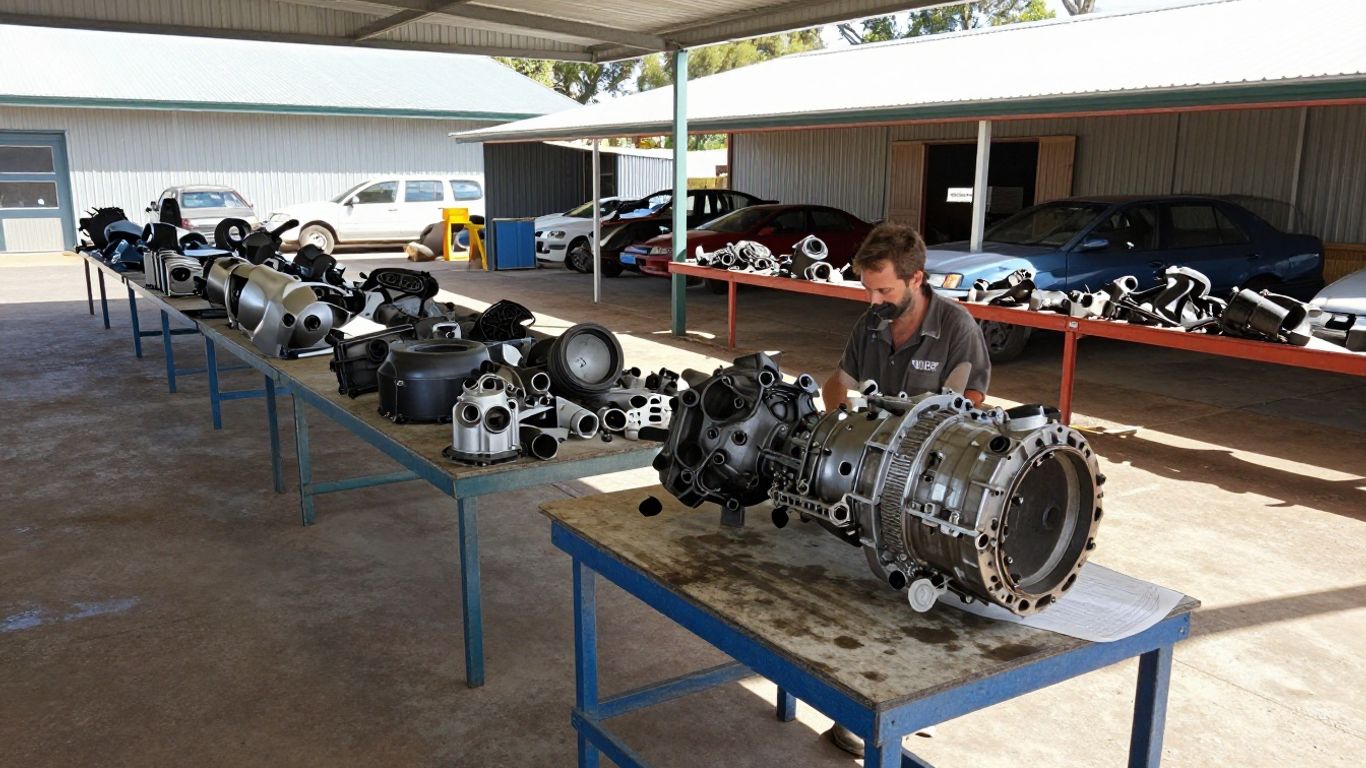
Finding a dependable source for automotive parts often comes down to knowing where the local industry congregates. In a smaller regional center like Mount Gambier, relationships and reputation go a long way. Identifying suppliers who prioritize quality testing will save you from the anxiety of receiving a dud unit.
Visiting local professional wrecking yards
Local wrecking yards offer the massive advantage of letting you personally inspect the part before any cash changes hands. You should look for yards that process salvage vehicles systematically, as they are more likely to have properly tagged, cleaned, and stored units on their shelves. Engaging with local staff can also provide insight into the vehicle the transmission originated from, such as the total mileage and accident history.
Checking specialized automotive salvage platforms
If local stock is limited, you might need to broaden your search to specialized online automotive salvage networks that aggregate inventory from across the state. These platforms often provide a more transparent view of availability and pricing, allowing you to filter by specific donor vehicle details. Just ensure the platform supports secure transactions to protect your purchase.
Evaluating inventory at local auto repair shops
Many transmission specialists in the area may have "take-out" units from customer cars that were repaired rather than replaced. These shops often hold onto quality used transmissions that were pulled from vehicles with different catastrophic failures, meaning the transmission itself may still be in excellent operating condition. Asking around at your trusted mechanic’s shop is often an overlooked way to find a reliable used Mazda transmission.
Strategies for securing competitive prices in the local market
Navigating the pricing landscape requires a proactive approach and an understanding of market dynamics. You should not assume the first quote you receive is the fair price, as volatility in demand can cause listings to shift. Being prepared to act quickly while maintaining a clear budget will help you secure the best possible deal without compromising on quality.
Comparing quotes from multiple regional suppliers
To ensure you are paying a fair market rate, collect data from several sources and compare the offerings. When gathering these figures, focus on the total cost including shipping, as freight on such a heavy component can significantly inflate your final expenditure.
| Supplier Type | Average Price Range | Warranty Included |
|---|---|---|
| Individual Private Seller | $800 – $1,200 | No |
| Local Professional Yard | $1,100 – $1,600 | 30 Days |
| Specialized Salvage Firm | $1,400 – $2,000 | 90+ Days |
Keeping this comparison in mind, prioritize suppliers who provide both a clear warranty and documented proof of the unit’s operating history rather than simply choosing the cheapest option.
Negotiating based on current market value
Once you have a baseline price from your comparisons, you are in a stronger position to negotiate. If a unit has sat in inventory for a long time or shows minor cosmetic wear that does not affect performance, you can often propose a reduced price. Use your research findings to support your offer, demonstrating that you are an informed buyer who knows the value of the part.
Understanding the impact of mileage and condition on pricing
High-mileage units will naturally command lower prices, but they also bring higher risks regarding seal integrity and internal bearing wear. Conversely, a low-mileage transmission pulled from a well-maintained vehicle is worth a premium. Always weigh the upfront savings of a cheaper, older unit against the potential cost of early failure.
Assessing the condition of a used transmission
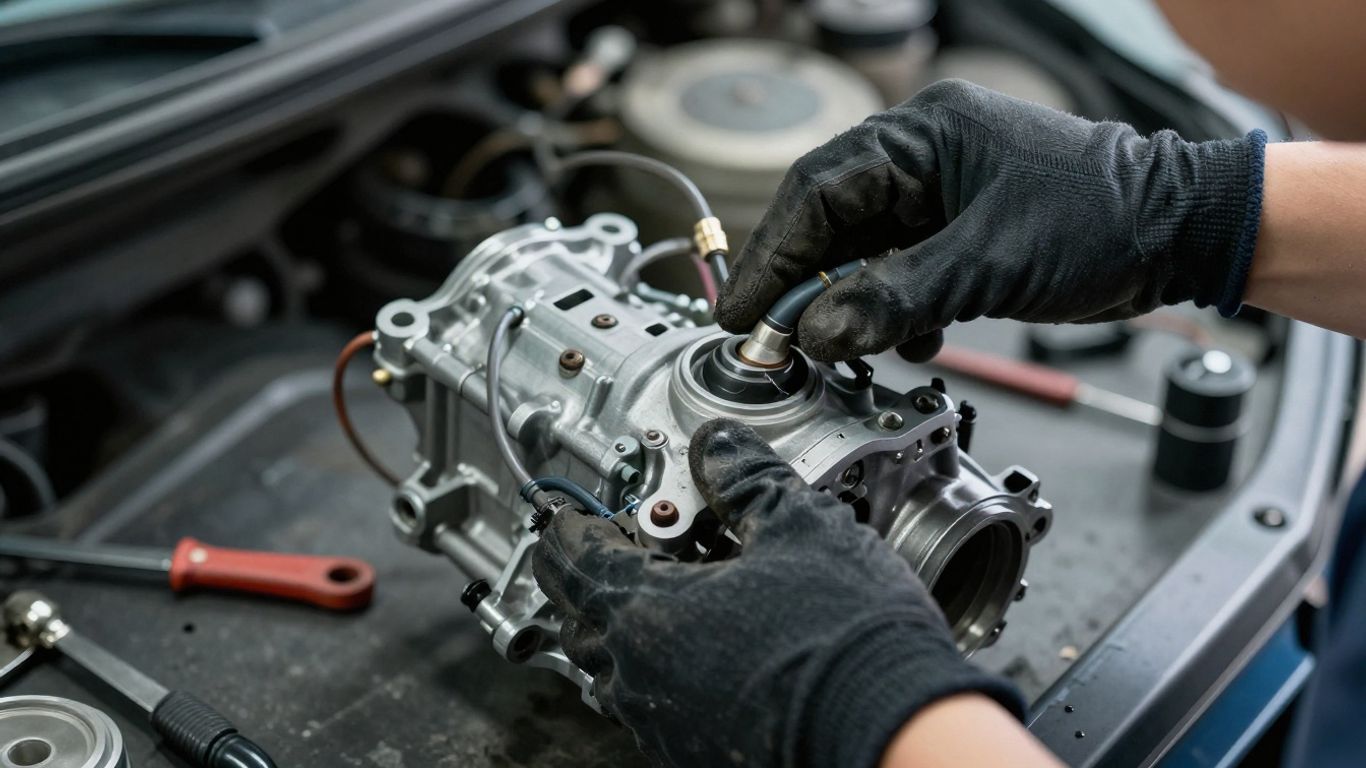
Visual and mechanical inspections are your only real defense against buying a failing component. Even if a seller promises the world, you must conduct your own verification to be certain the internals are still functioning as intended. Taking the time to look for red flags now prevents a massive technical failure in the middle of a busy workday.
Looking for signs of physical casing damage
Begin your assessment with a thorough walk-around of the transmission casing, looking for cracks, weld repairs, or signs of heavy impact. Any structural damage to the housing can lead to misalignments inside the bell housing, which will quickly destroy the input shaft or torque converter once the motor is running.
Requesting fluid history and maintenance records
If the seller has records, look closely at the transmission fluid color and texture. While you cannot always get a full service history, even a simple record of recent fluid changes suggests the previous owner was aware of the importance of preventative maintenance. Clean, reddish fluid is a good sign, whereas burnt-smelling, dark liquid is a clear indicator that the clutches have been slipping under high heat.
Utilizing professional diagnostic tools before purchase
For an extra layer of security, consider asking an independent mechanic to scan the transmission control module if the donor vehicle is still partially intact. A simple diagnostic scan can reveal archived error codes that point to past solenoid malfunctions or sensor issues that are not visible during a casual inspection.
A transmission that fails a basic diagnostic scan today is a guaranteed headache tomorrow. Spending a small amount on a pre-purchase assessment is a smart way to ensure your chosen component is truly fit for purpose.
This diagnostic step essentially gives you a look into the unit’s "memory," verifying that it was shifting correctly before the vehicle was taken off the road. Skipping this assessment usually leads to the most expensive repairs later.
Warranty and return policy considerations
Even with the best planning, mechanical parts from used sources carry an inherent level of risk. A strong warranty acts as your safety net, ensuring you are not on the hook if the unit is delivered in an unusable state. Carefully reading the fine print is a task you should never skip, as it defines your rights as a buyer.
Verifying the length of the seller’s warranty
Most reputable salvage yards offer an exchange warranty of one to three months. This coverage period needs to be long enough to account for your installation time plus a sufficient window to test the vehicle under real-world driving conditions. If a seller refuses to provide any warranty, you should seriously question their confidence in the part.
Understanding what components are covered under the agreement
Check whether the warranty covers only the transmission internals or if it includes external accessories like sensors and cooling lines. Often, warranties are voided if you do not use specific recommended fluids or lack a professional invoice for the installation. Ensure you can meet every stipulation mentioned in the fine print.
Clarifying the return process if the unit is defective
Before you finalize the transaction, ask how the return process works if the transmission fails to engage properly. Clarify who is responsible for the shipping costs and whether the seller offers a refund or a replacement unit. Having these contingencies settled early will save you significant stress if the part is found to be non-functional.
Installation and long-term maintenance tips
Proper installation is perhaps the most important stage of the entire process, as even the best-sourced transmission can fail if installed incorrectly. Because these components are complex and heavy, they require specific tools and expertise to align with the engine and drivetrain. Do not attempt a DIY install unless you have significant experience and equipment.
Choosing a certified mechanic for your installation
Always lean on the expertise of a professional who has worked specifically on Mazda drivetrains before. They will have access to the service manuals and proper torque specifications that ensure the bolts are secured exactly where they need to be. An improper install can lead to vibration that ruins the transmission over time.
Flushing and replacing transmission fluid upon fitment
Never install a used transmission without fresh, clean fluid. The storage time in a wrecker’s yard can result in condensation buildup or settled debris, both of which are lethal to sensitive valve bodies. Refreshing the fluid and replacing the filter guarantees you are starting the transmission’s new life in your vehicle on the right foot.
Monitoring shift performance during the initial break-in period
For the first hundred miles, pay close attention to the shift quality. If you notice harshness, delays, or slipping, address it immediately rather than waiting for it to get worse. Early responsiveness to any anomalies is the best way to ensure the unit lasts for many years to come.
Conclusion
Securing a quality replacement transmission involves diligence in matching your VIN, vetting the supplier, and ensuring a professional installation process. By staying informed about the physical condition of the unit and the terms of your warranty, you can find the ideal component for your Mazda in Mount Gambier. Taking these methodical steps will help you achieve a reliable result while balancing your budget, ultimately keeping your vehicle running smoothly on the road for the long haul.