
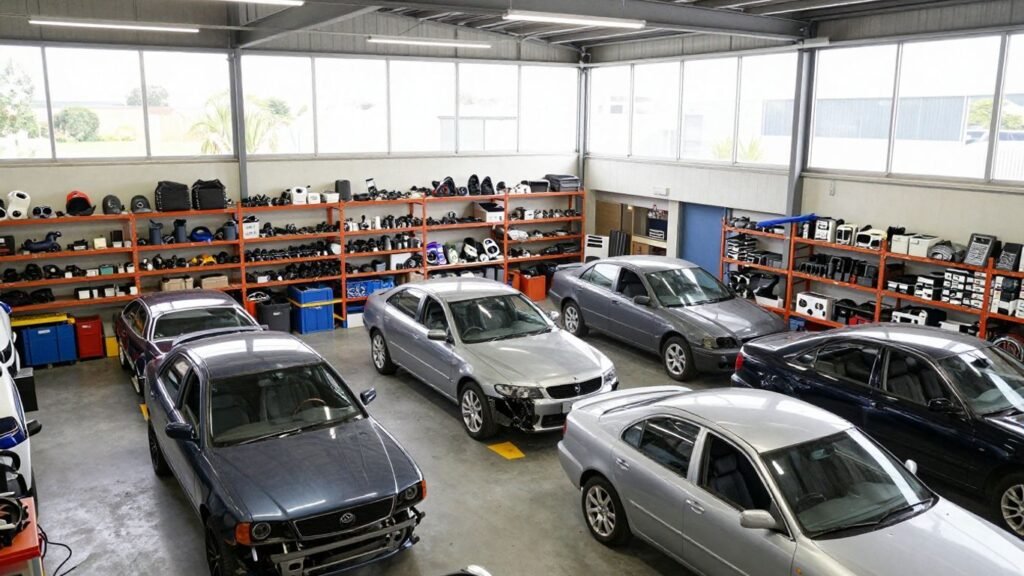
Key Takeaways
Finding the right components for your vehicle involves understanding the market and knowing exactly what to look for in a used part. Here are the core insights for sourcing quality parts in Tasmania:
- Genuine used Mazda parts offer superior fitment compared to many aftermarket alternatives.
- Inspecting components for wear or fatigue before purchase prevents future installation headaches.
- Always verify your vehicle’s identification number to ensure exact compatibility with the sourced part.
- Maintaining a personal relationship with local wreckers can often lead to finding hard-to-locate items.
- Reliable wreckers typically provide warranties, so clarify the terms before completing any transaction.
Why buy genuine used Mazda parts in Hobart
When maintaining your vehicle, choosing the right source for repairs makes all the difference in long-term reliability. Exploring local salvage solutions provides a smart alternative to purchasing expensive new items from an official brand dealership. By focusing on salvaged components, you can often restore your car to its original performance levels without unnecessary overhead.
Cost-effectiveness compared to new dealership parts
Choosing recycled components allows you to save significantly on repair expenses without compromising on the specifications of your engine or bodywork. New dealership items often come with a premium price tag that reflects overhead rather than the intrinsic value of the hardware itself.
Quality assurance and original equipment manufacturer (OEM) standards
When you source parts pulled directly from other Mazda vehicles, you receive factory-verified components designed to perform exactly as the engineers intended. These genuine items ensure an exact structural fit for your specific model configuration, which reduces the labor time needed during the installation process.
Environmental sustainability through car recycling
Opting for reused components helps reduce the massive energy demand required to manufacture new steel, plastic, and electronic sensors from scratch. This circular approach to auto repair limits landfill waste while extending the life cycle of hardware that remains completely functional despite being removed from its original host vehicle.
Immediate availability for older Mazda models
Even when manufacturers stop producing new spare items for older model years, specialized yards remain a vital resource for keeping classic units on the road. You can often track down discontinued trim pieces, brackets, or specific electrical modules that simply do not exist at traditional retail counters anymore.
Understanding the Mazda wrecker supply chain
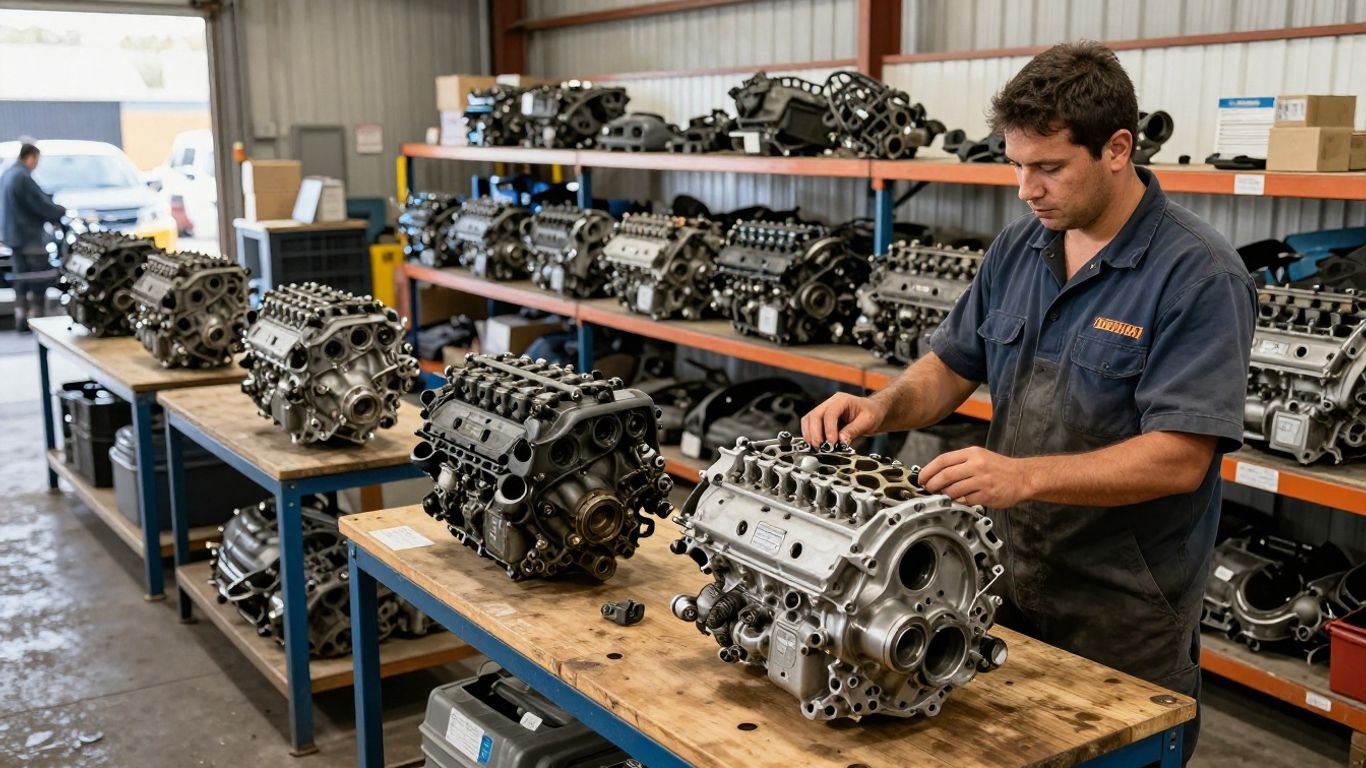
Navigating the supply chain of local auto salvagers is essential for any owner looking to secure high-quality components. These businesses function by acquiring end-of-life vehicles through insurance auctions or direct owner sales, carefully evaluating them to see which systems remain operational. This organized approach ensures that only salvaged goods with legitimate service potential reach the storefront.
How wrecked vehicles are sourced and assessed
Professionals evaluate incoming cars for structural integrity, checking if the engine and transmission block remain sound after an accident or mechanical failure. A thorough assessment process separates total losses from those with salvageable, high-demand mechanical systems.
The process of stripping and cataloging components
Once a car arrives, skilled technicians methodically remove working parts to test and store them in secure inventory systems for later identification. They prioritize sensitive items like alternator units, fuel injectors, and suspension arms, logging each piece with specific usage data and model years.
Differences between aftermarket alternatives and genuine used parts
| Feature | Genuine Used Parts | Aftermarket Alternatives |
|---|---|---|
| Material Quality | Factory Grade | Variable |
| Fitment Precision | OEM Guaranteed | Often Requires Modding |
| Part Reliability | Proven Service History | Uncertain Longevity |
Selecting factory-spec items ensures your car operates within its designed parameters, while aftermarket copies might occasionally fall short of the required tension, voltage, or clearance standards.
Assessing part quality and condition
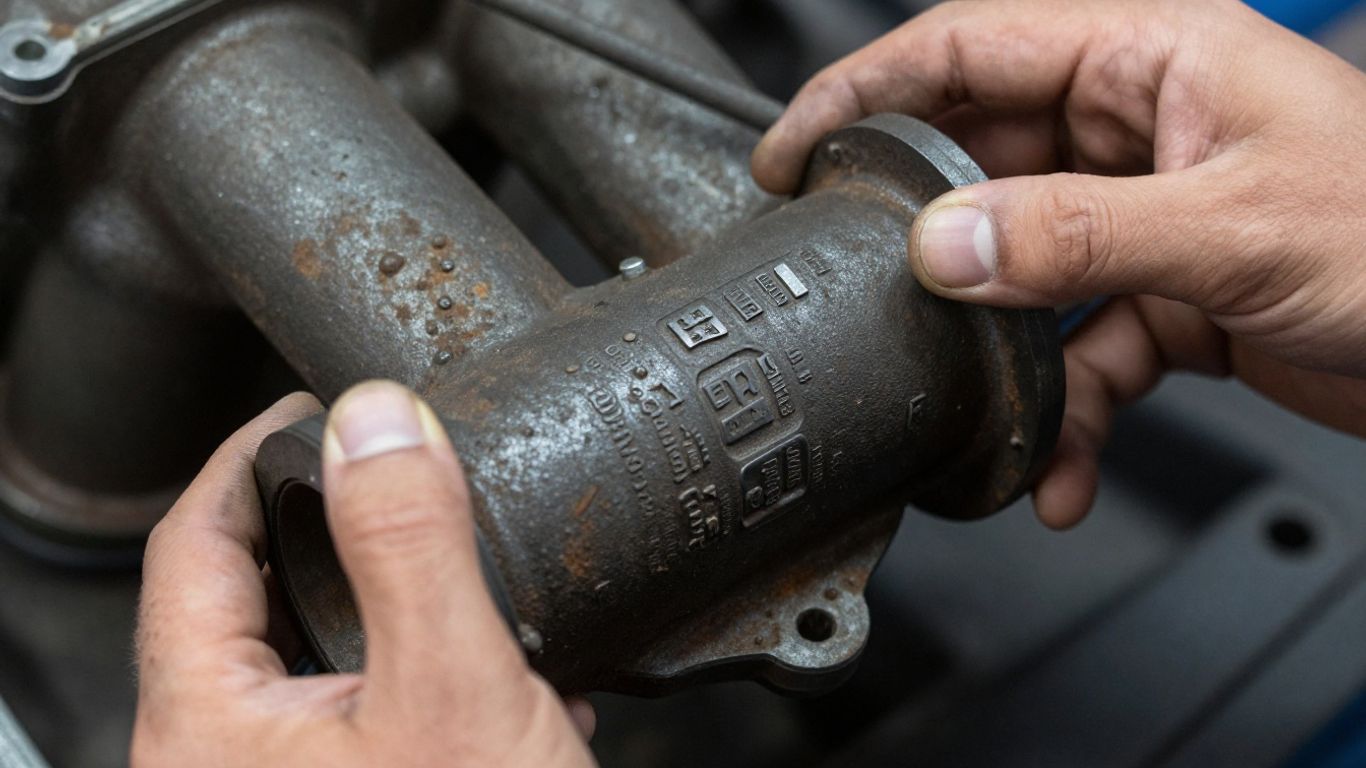
Inspecting individual components requires a keen eye to ensure you are getting real value for your money. Beyond looking at the outer appearance, you must verify that the gear is functionally sound and free from hidden faults that could lead to premature failure upon reinstallation.
Checking for signs of excessive wear or component fatigue
Look for symptoms like oxidized metal, frayed connectors, or leaking seals that indicate the piece has reached the end of its useful life. Careful observation of these physical characteristics tells you far more about the history of the unit than a quick glance at the casing ever could.
Requesting documentation or service history for engines and transmissions
Whenever possible, ask for the odometer reading or maintenance logs associated with the salvaged engine to get an accurate picture of its workload. Knowing the previous service interval helps you determine if the block or head assembly requires any immediate refreshing before it is mounted into your own frame.
Understanding typical warranties offered by Tasmanian wreckers
Most reputable salvage yards stand behind their stock by providing a limited guarantee period for major mechanical assemblies like gearboxes and cylinder heads.
Smart buyers understand that a written warranty provides lasting peace of mind, ensuring that even if an issue arises after the sale, the support remains available to resolve it efficiently.
Establishing this agreement in advance protects your investment and provides a safety net if a part does not function correctly once installed by your technician.
How to identify genuine Mazda stamps and unique part numbers
Genuine factory parts always feature specific casting marks or stamped identification codes that verify their origin. Cross-referencing these unique codes against your vehicle owner manual or digital search databases confirms the hardware is perfectly matched to your specific engine and chassis version.
Navigating the Hobart market for auto parts
Tasmania maintains a tight circle of specialized automotive suppliers who cater to local drivers through direct sales or regional shipping. Understanding how these companies operate allows you to streamline your search and minimize the downtime your vehicle spends off the road.
Local pickup versus shipping options across Tasmania
For heavy items like hood panels or full dashboards, driving to a local Hobart yard often makes the most sense. If you cannot make the trip, many providers offer freight services or courier arrangements that bring the goods directly to your driveway or your chosen mechanic’s shop.
Tips for researching and vetting reputable Mazda wreckers in the region
Look for businesses that maintain an organized shop environment, as cleanliness is often a reflection of how they manage their inventory. Positive feedback from fellow enthusiasts or repeat customers provides a strong indicator that the seller deals fairly and provides accurate part descriptions.
Utilizing online inventory databases and search tools to save time
Modern wrecking businesses keep their stock tracked through digital platforms, allowing you to filter by model year and specific system requirements before even making a phone call. This proactive research prevents wasted trips to the yard and helps you identify which locations have your required items already prepared for immediate collection.
Building relationships with local salvage yards for hard-to-find components
Establishing a professional rapport with the staff at your primary supplier often gives you a priority advantage when rare, older components finally arrive. When they know exactly what you are looking for, they can reach out to you directly rather than listing the item on broader marketplaces.
Essential steps for a successful purchase
Completing a purchase requires more than just money; it involves precision and a clear focus on the compatibility of the component. By following a structured approach, you ensure that every part you buy settles perfectly into your car without causing any secondary mechanical issues.
Confirming vehicle identification number (VIN) compatibility
Your VIN is the single most important piece of information to provide when seeking replacements for critical systems like injectors, suspension struts, or transmission units. Matching this number guarantees the geometry and electronic signal parameters align with your car’s current control systems.
Asking the right questions regarding part history before you pay
Inquire about whether the car was totaled due to fire, flood, or collision, as these occurrences drastically alter the risk of internal damage to electronic parts or engine internals. Knowing the exact conditions under which the car was retired saves you from buying sensors that have been compromised by moisture or heat.
Handling installation through professional mechanic networks
Professional shops are often best equipped to install complex second-hand hardware because they possess the diagnostic tools necessary to pair new sensors or verify alignment. Using a qualified technician safeguards the part and ensures it is integrated correctly, which often validates any warranty you received with the sale.
Managing returns or exchanges if a part fails to meet expectations
If you find a discrepancy in the item upon delivery or if an installation defect occurs, communicate with the supplier immediately to discuss your options for a refund or replacement. Transparency during the return process helps you maintain a productive relationship with the salvage yard, ensuring smooth transactions for all your future automotive needs.
Conclusion
Successfully sourcing parts for your vehicle relies on a combination of patient research and clear communication with local experts. By focusing on genuine used Mazda parts in Hobart, you leverage a sustainable and cost-effective way to keep your car operating at its peak, all while protecting your budget in the process.