
Key Takeaways
Finding quality used parts for your compact hatchback involves local due diligence and careful technical vetting. Here is what you need to know to secure the right components efficiently.
- Assess engine oil history and compression levels before buying.
- Confirm engine codes are compatible with your specific year model.
- Utilize inventory software to save time when visiting local yards.
- Plan for essential maintenance fluids and hardware during your install.
- Review the salvage yard’s return policy for all used components.
Evaluating the condition of used Mazda 2 engines
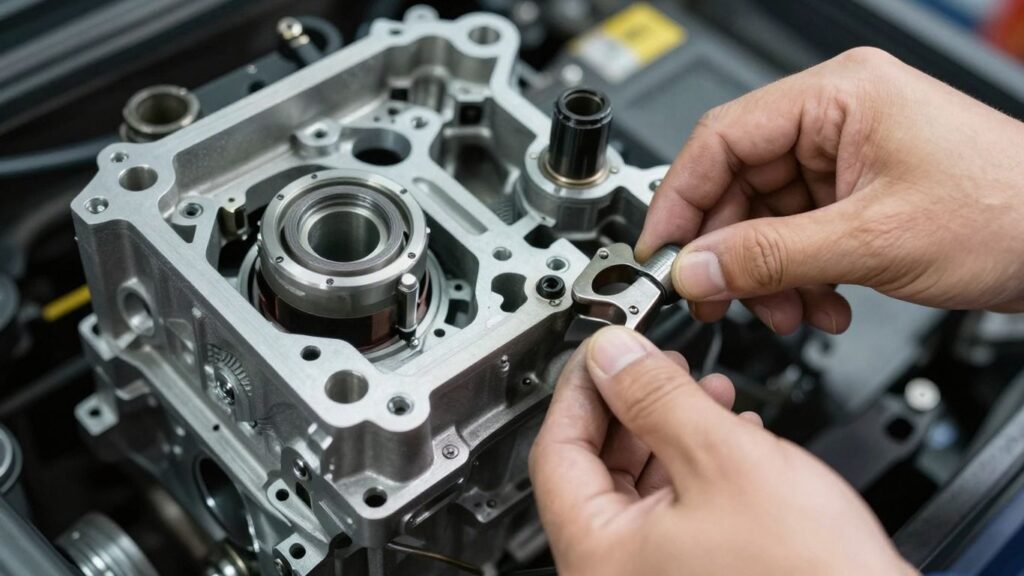
When you are hunting for a replacement engine, the visual and physical indicators often tell the full story before you even commit funds. It is essential to look beyond the surface level to ensure you are getting a reliable power plant that still has plenty of life left in it. A well-maintained engine will generally show signs of regular care, whereas neglected units can lead to costly headaches later.
Inspecting internal oil quality and sludge buildup
Removing the oil cap is your first window into the engine’s internal health. Check for thick, dark sludge or crusty deposits that suggest the previous owner skipped oil changes consistently. Clean, amber-hued residue is exactly what you want to see when peaking into the valvetrain area.
Verifying accurate mileage and service history documentation
Mileage is not just a number on an odometer; it is a story of total usage. Always ask for proof of service or look for tags under the hood that might verify recent timing belt or fluid changes. If the yard cannot provide a history, treat the purchase with caution.
Conducting a compression test before finalizing the purchase
A compression test reveals the health of the internal rings and valves. While it might seem complicated at a salvage yard, it is the only real way to know if your reliable engine performance is guaranteed before dropping it into your bay.
Checking for external leaks and original gasket integrity
External oil leaks from the valve cover or front main seal are often manageable, but coolant leaks at the head gasket are dealbreakers. Inspect the engine block for signs of pooling dried coolant, which usually points to compromised seals that require major labor to rectify.
Understanding compatibility for Mazda 2 drivetrain components
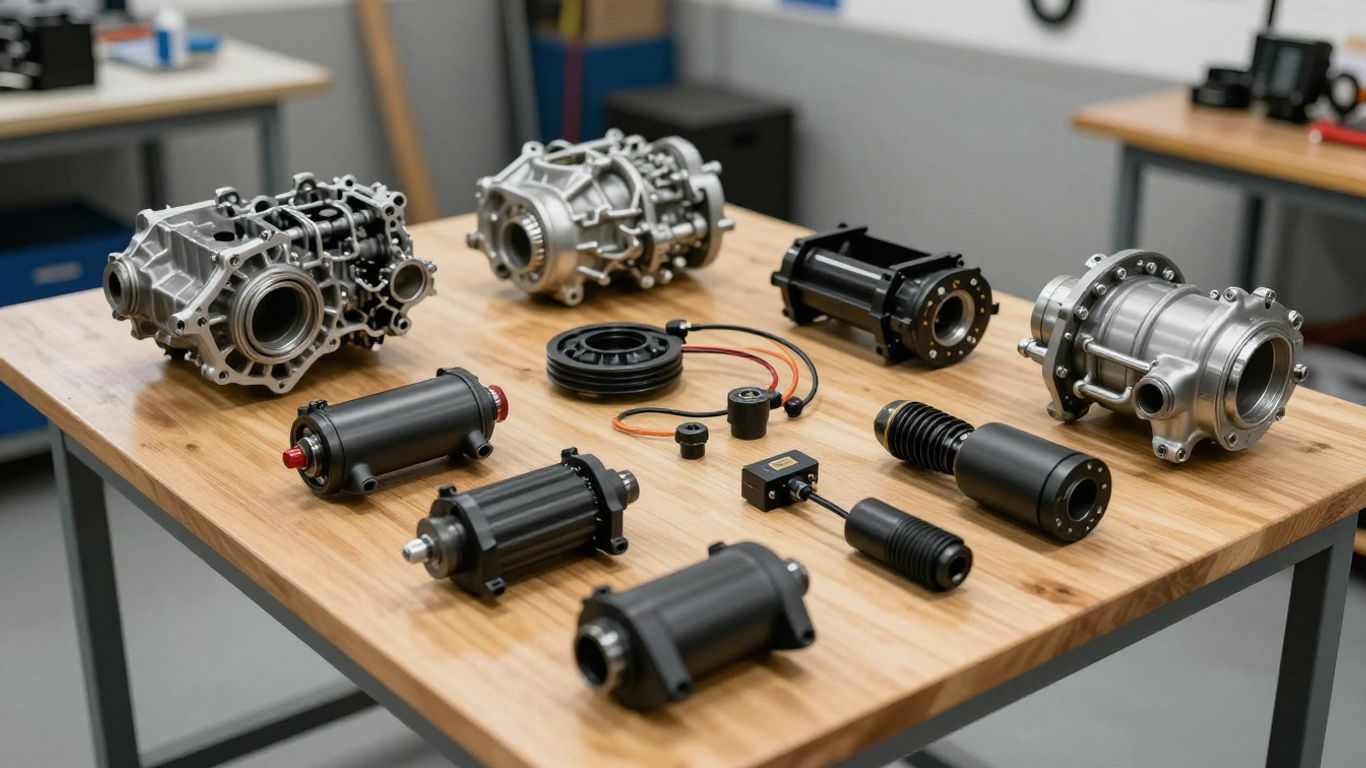
Drivetrain components often look identical externally but can contain subtle differences that prevent installation. Compatibility is the biggest hurdle when swapping parts between production years or different trim levels. Taking the time to verify your specific configuration now will save you from having to return the part later.
Matching engine codes for specific model year ranges
Engine codes define the specific internal architecture and sensor mapping of your power unit. Always confirm your VIN matches the engine donor, as even small changes between model years can affect wiring harnesses. Utilizing Mazda Genuine parts documentation often helps clarify these technical matches.
Distinguishing between manual and automatic transmission mounting points
Automatic and manual transmissions often feature different mounting patterns on the block. Attempting to force an incorrect transmission into place can damage the bolt holes permanently. You must check the bellhousing shape before finalizing your choice.
Ensuring differential gear ratios align with your current transmission
Differential ratios determine how your car accelerates and maintains highway speeds. Mismatched ratios can cause significant strain on your drivetrain and trigger electronic safety warnings on the dashboard. Refer to the table below to compare typical findings.
| Part Type | Typical Ratio | Common Conflict |
|---|---|---|
| Manual Diff | 4.10:1 | Automatic housing |
| Auto Diff | 3.90:1 | ECU mismatch |
| High Ratio | 4.30:1 | Sensor error |
After comparing the gear values, verify that the differential you choose is rated for the output capacity of your specific engine.
Identifying variations in sensors and electrical connectors
Wiring pinouts often undergo minor revisions between model cycles even within the same make. If the connector looks different, it might still carry the same signals, but you risk frying electronics if you mismatch the wiring. Always carry a reference photo of your original plug when scouting the yard.
Navigating local car wreckers in Launceston
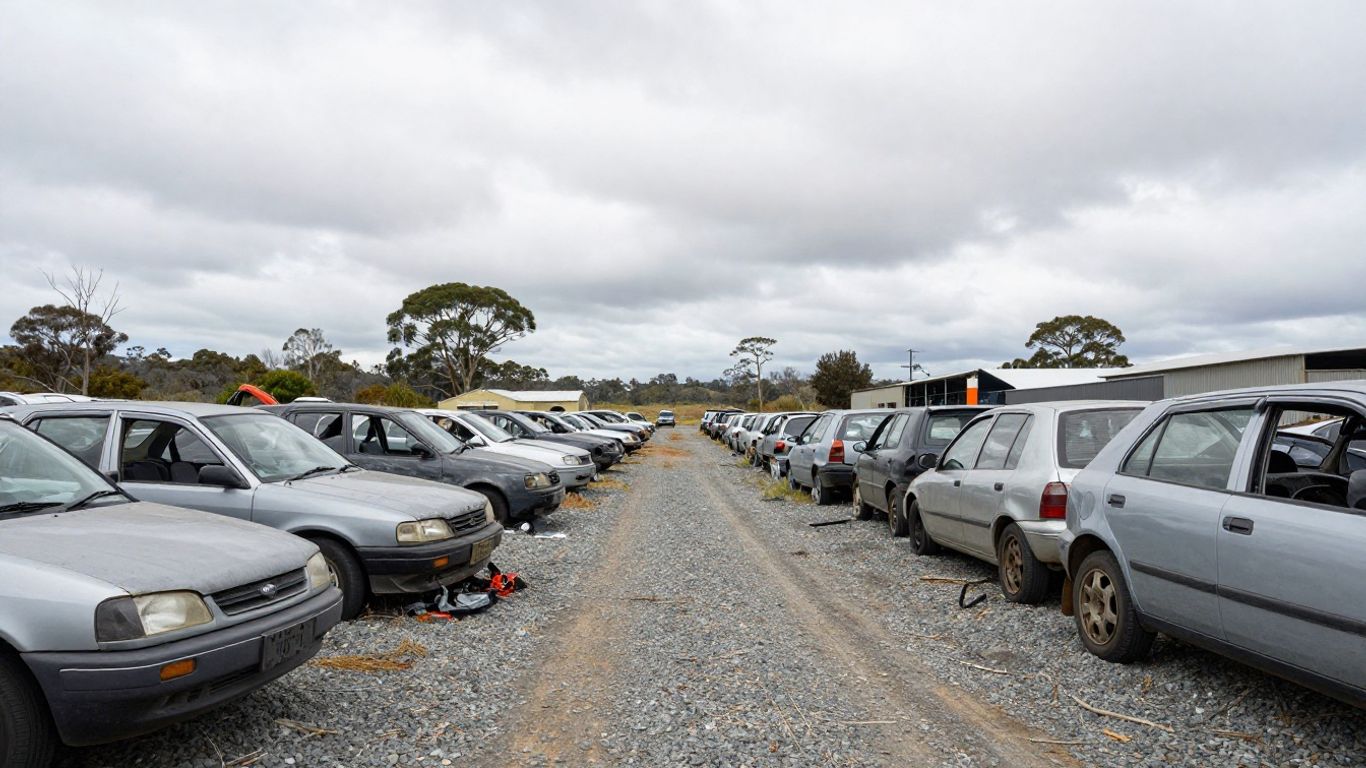
Launceston has several wrecking yards, each with its own niche and expertise. Finding the right yard often comes down to knowing which ones prioritize inventory management and customer safety. You will find that regular visitors to these yards often have an easier time locating hard-to-find components like specific differentials or engine accessories.
Determining which yards specialize in Japanese compact cars
Some wreckers in the region strictly handle older sedans or heavy 4×4 vehicles. Focus your search on businesses that maintain a stock of small Japanese hatchbacks to ensure a higher probability of finding compatible parts.
Utilizing inventory software to check stock before visiting
Most modern yards now use digital tracking systems that reveal if a part is in the yard or off the shelf. Calling ahead or checking online databases saves you the trip if the specific transmission or alternator has already been sold.
Assessing the organizational standards of local wrecking yards
A well-organized salvage yard is usually a sign that they care as much about their mechanical items as they do about their yard safety. Look for facilities where components are stored off the ground away from the harsh Tasmanian weather elements.
Clean indoor or covered storage for mechanical parts suggests you are less likely to encounter significant rust or rodent damage on critical electrical sensors.
Negotiating fair pricing for high-demand drivetrain components
High-demand parts often have fixed prices, but you can sometimes negotiate if you are buying a package deal. Bringing your own tools and removing the part yourself is one common way to reduce costs at salvage yards that allow labor-based pricing tiers.
Best practices for installing salvaged Mazda 2 parts
Installing used drivetrain parts requires a methodical approach to ensure that the salvaged components integrate properly with your existing chassis. You should treat every second-hand part as if it needs a full check before it sees the road. A little extra time spent on the bench prevents a repeat of the entire removal process later.
Performing essential maintenance before dropping the engine
Changing the timing belt, water pump, and spark plugs is standard practice while the engine is out of the car. It is far easier to perform this maintenance on a stand than in the cramped engine bay. Mazda Genuine components are recommended for these high-wear items.
Necessary specialized tools for safe differential removal and replacement
You will need a torque wrench, high-quality axle stands, and a sturdy transmission jack to handle heavy components safely. If you do not have the right specialized tools, rent them from a local automotive shop to avoid damaging the new part.
Identifying critical fluids and hardware that require automatic replacement
Never reuse old coolant hoses or crush washers when finalizing your install. Always replace seals, gaskets, and fluids because these items are designed for one-time use during initial assembly at the factory. Using Mazda Genuine fluids ensures the integrity of your new installation.
Troubleshooting common fitment issues during the integration process
If a part does not seem to fit, stop and re-examine the mounts rather than using force. Most fitment issues stem from misaligned brackets or mismatched year-specific hardware that was overlooked during the initial inspection. Patience remains your best asset when aligning the engine mounts.
Warranty and return policies for salvaged components
Salvage yards generally operate with stricter policies than retail part stores since every item is unique. Understanding the fine print before you pay helps you maintain your leverage if the component fails shortly after startup. Always read the back of the receipt to know the exact timeline for returns.
Differentiating between standard parts-only and labor warranties
Most yards offer parts-only warranties that cover the item itself but not the labor required to install it. If you want a labor-covered warranty, you often have to purchase the part through a certified repair shop or a premium dealer network.
Record-keeping requirements for potential post-installation claims
Keep a digital folder with your invoices, photographs of the part before installation, and any receipts for new gaskets or fluids. If you need to make a claim, these records are your only proof that you followed the required installation standards.
Recognizing red flags in salvage yard return terms
If a yard refuses to verify the part’s condition or limits returns to as little as 24 hours, take your business elsewhere. Legitimate wreckers will allow for a reasonable period, usually 30 days, to ensure the mechanical part functions under normal load.
Steps to document the condition of a part upon delivery
Take clear, high-resolution photos of the part the moment it arrives at your garage. Focus on any markings, seal conditions, and sensor wires, then save those images until the project is finished and the engine has been tested.
Conclusion
Securing used Mazda 2 drivetrain parts from reliable local wreckers successfully requires a balance of technical research and careful site inspection. By verifying compatibility, performing essential bench testing, and keeping meticulous records of your choices, you can cost-effectively restore your vehicle to peak operation while supporting your local community of recyclers.