Just Mazda

Author name: Devteam

Mazda car with bright headlights and tail lights.
Blog

Upgrade Your Mazda: The Latest in Headlights and Tail Lights

So, you’re thinking about giving your Mazda a little glow-up, specifically with its lights? It’s not just about making your car look cool, though that’s definitely part of it. Better Mazda headlights and tail lights mean you can see more of the road and, just as importantly, other drivers can see you better. Whether you’re dealing with dim factory bulbs or just want a more modern look, upgrading your Mazda’s lighting is a pretty smart move. Let’s talk about what’s out there and how you can get it done. Key Takeaways Switching to LED or HID bulbs for your Mazda headlights makes a big difference in how well you can see at night and how visible your car is to others. There are a few ways to upgrade your Mazda headlights, from simple plug-and-play LED bulbs to full projector assemblies, each with its own cost and effort. Replacing your Mazda headlights involves some prep work, like gathering tools and disconnecting the battery, and then carefully removing the old bulb and installing the new one. After installing new Mazda headlights, it’s super important to adjust the beam correctly so you don’t blind other drivers and can actually see the road ahead. When looking at new Mazda headlights and tail lights, think about how long they’ll last, if they’ll fit your car right, and if they meet local rules for car lighting. Enhancing Your Mazda’s Visibility with Upgraded Headlights Driving at night or in bad weather can feel a bit dicey if your Mazda’s headlights aren’t cutting it. Those stock halogen bulbs, while functional, often leave a lot to be desired when it comes to how much you can actually see. Upgrading your headlights isn’t just about making your car look cooler, though that’s a nice bonus. It’s really about being able to spot hazards, pedestrians, and road signs sooner, which is a big deal for safety. The Benefits of LED and HID Headlight Technology When you start looking into headlight upgrades, you’ll quickly run into two main players: LED and HID. Both offer a significant jump in brightness and clarity compared to traditional halogen bulbs. LEDs are super popular because they’re energy-efficient, last a really long time, and turn on instantly. Think of them as the modern standard. HID (High-Intensity Discharge) lights, on the other hand, produce an even more intense light, often with a distinct bluish-white hue. They’re known for their sheer power, but they do require a ballast to regulate the electricity, which adds a bit more complexity to the installation. Technology Typical Lifespan (Hours) Brightness vs. Halogen Power Consumption Installation Complexity Halogen 1,000 1x Standard Simple LED 25,000 – 50,000 2x – 3x Lower Simple (Plug-and-Play) HID 2,000 – 3,000 3x+ Higher Moderate (Requires Ballast) Upgrading your headlights can make a noticeable difference in how well you can see the road ahead, especially on dark, winding roads. It’s a practical change that directly impacts your confidence behind the wheel. Choosing the Right Headlight Upgrade for Your Mazda So, where do you start? For most folks, a simple LED bulb replacement is the easiest way to go. These are designed to fit right into your existing headlight housing, often just plugging into the factory connector. It’s a straightforward swap that gives you brighter, whiter light without much fuss. If you’re looking for the absolute brightest light possible and don’t mind a bit more work, an HID kit might be your ticket. Just remember you’ll need to find a place to mount the ballasts. These kits can really cut through the darkness, but make sure they’re aimed correctly so you don’t blind other drivers. Full LED Projector Assemblies for a Modern Look For those who want a complete transformation, a full LED projector assembly is the way to go. This isn’t just a bulb swap; it’s replacing the entire headlight unit. These assemblies often come with integrated daytime running lights (DRLs) and turn signals, giving your Mazda a really modern, high-end look. They’re designed to provide a very focused and controlled beam pattern, which means better visibility for you and less glare for oncoming traffic. While these are usually the most expensive option, they offer the most significant upgrade in both performance and aesthetics. A Step-by-Step Guide to Replacing Your Mazda Headlights So, you’ve decided to swap out those old headlights on your Mazda. It might seem a bit daunting, but honestly, it’s often a manageable DIY job if you take your time. Think of it like assembling some slightly complicated furniture – just follow the steps and don’t force anything. Essential Preparation and Tool Gathering Before you even think about touching your car, get your ducks in a row. You’ll want to park your Mazda on a level spot, ideally in a well-lit garage or driveway. Turn off the engine and, for good measure, disconnect the negative battery terminal. This just adds a layer of safety, preventing any accidental shorts while you’re working with electrical components. Gather your tools: you’ll likely need a set of screwdrivers (Phillips and flathead), a socket wrench set, a flashlight or headlamp (because who knows what’s lurking in those dark corners?), and some work gloves to keep your hands clean and protected. Having a small tray or some containers to hold screws and clips is a smart move; losing a tiny piece can turn a simple job into a headache. Accessing the Headlight Housing This is where things can get a little different depending on your specific Mazda model and year. Some cars make it pretty easy, letting you reach the bulb right from the engine bay. Look for a round plastic cover on the back of the headlight assembly. You might need to twist it off. Sometimes, you might have to move a few things around in the engine bay, like an air intake hose, to get a clear shot. If that doesn’t work, you might need to remove the front bumper. This sounds like a big deal, but it’s usually just

Mazda door lock actuator close-up with hand
Blog

Troubleshooting Your Mazda Door Lock Actuator: Common Issues and Fixes

So, your Mazda’s door locks are acting up? Yeah, it’s a real pain. You push the button, and nothing happens, or maybe one door locks and the others don’t. It’s the kind of thing that makes you feel less secure and just generally annoyed. It often comes down to the Mazda door lock actuator, that little motor that does all the work. But don’t sweat it too much, most of the time, these issues are fixable without needing a whole new car. Let’s break down what might be going on and how you can get those locks working again. Key Takeaways The Mazda door lock actuator is the part that physically moves your locks. When it fails, your locks won’t work right. Common reasons for failure include old age, electrical problems like bad wires or blown fuses, and even damage from weather. You can often tell if the actuator is bad by listening for strange noises or by testing each door lock individually. Problems with your key fob, like a dead battery or it needing to be reprogrammed, can also stop your power locks from working. Fixing a faulty Mazda door lock actuator usually means taking off the door panel to get to it, and sometimes you might need to replace the whole unit. Understanding Your Mazda Door Lock Actuator What Is A Door Lock Actuator? So, what exactly is this door lock actuator thing we keep talking about? Think of it as the little workhorse inside your car door that actually does the locking and unlocking. When you hit that button on your key fob or the switch inside the car, it’s the actuator that physically moves the rods and levers to secure or open your doors. It’s basically an electric motor with a set of gears and linkages all packed into a small housing. Without it, your power locks wouldn’t be so "power" anymore. How The Actuator Functions When you send a signal to lock or unlock your doors – either from the key fob or the interior switch – that signal travels through your car’s electrical system to the specific door lock actuator. This signal tells the small electric motor inside the actuator which way to turn. As the motor spins, it engages a mechanism that pushes or pulls on the rods connected to your door’s lock cylinder and handle. It’s a pretty neat system, designed for convenience and security. Most of the time, you won’t even hear it working, just a quiet click as the doors lock or unlock. Signs Of A Failing Actuator When an actuator starts to go bad, it usually makes its presence known. You might notice that a specific door is slow to lock or unlock, or maybe it doesn’t respond at all. Sometimes, you’ll hear a faint grinding or buzzing sound coming from inside the door when you try to operate the locks, but the door itself doesn’t lock or unlock. Intermittent operation is also a big clue – it works sometimes, and then it just stops. If one door is acting up while the others work fine, the actuator in that particular door is a prime suspect. A failing actuator can be a real pain. It’s not just about convenience; it can also affect your car’s security if a door won’t lock properly. Paying attention to these early warning signs can save you from bigger headaches down the road. Common Mazda Door Lock Actuator Failures So, your Mazda’s door locks are acting up? It’s a real pain, isn’t it? You push the button, and nothing happens, or maybe one door locks and the others don’t. It’s usually not just one thing going wrong. Often, it’s the little electric motor inside the door, called the actuator, that’s the culprit. These things work hard every time you lock or unlock your doors, and over time, they just wear out. Think of it like any other small motor; it has gears and brushes that can get old and stop working right. Then there are the electrical connections. Sometimes, it’s not the actuator itself but the wires leading to it. These wires can get frayed, corroded, or just loose, especially after years of opening and closing the doors. It’s like a tiny traffic jam for the electrical signals trying to get to the actuator. A loose connection might mean your locks work sometimes but not others, which can be super confusing. And let’s not forget about the weather. Your car sits outside, right? Rain, snow, extreme heat – all that stuff can get into the door and mess with the electronics. Moisture is a big enemy of electrical components. It can cause corrosion on connectors or even damage the actuator motor directly. So, even if the actuator isn’t technically ‘worn out,’ environmental factors can cause it to fail. It’s easy to blame the actuator right away, but sometimes the problem is simpler, like a blown fuse or a bad connection. Always check the easy stuff first before you start taking door panels apart. Here’s a quick look at what can go wrong: Failure Type Common Symptoms Wear and Tear on Actuator Slow operation, grinding noises, complete failure Electrical Connection Issues Intermittent operation, no response at all Environmental Damage Corrosion, actuator seizing, erratic behavior Diagnosing Mazda Door Lock Actuator Problems So, your Mazda’s door locks are acting up. Maybe one door won’t lock, or perhaps the whole system seems dead. Before you panic and call a tow truck, let’s try to figure out what’s going on. Diagnosing these issues often comes down to a few key checks. Listening carefully to the sounds (or lack thereof) from each door can tell you a lot. Listening For Actuator Sounds When you press your lock or unlock button, or use the key fob, you should hear a little whirring or clicking sound from each door. This is the actuator motor doing its job. If you hear that sound from a specific door, but it still doesn’t lock

Mazda alternator and starter motor close-up
Blog

Troubleshooting Your Mazda Alternator and Starter Motor: Common Issues & Solutions

So, your Mazda is being a bit stubborn and won’t start? It’s a real pain, I know. Usually, it comes down to a couple of main suspects: the alternator or the starter motor. These two parts work together to get your engine going and keep it running. If one of them is acting up, you’re going to notice it pretty quickly, often with a no-start situation. Let’s figure out what might be going on with your Mazda alternator and starter motor. Key Takeaways A clicking sound when you try to start your Mazda often points to a problem with the starter motor. Check your battery connections first; loose or corroded cables can cause starting issues. A weak or dead battery is a very common reason your Mazda won’t start, especially in cold weather. The alternator charges the battery while the engine runs; if it fails, the battery won’t get power. Simple checks like inspecting fuses and ensuring your key fob battery is good can sometimes solve the problem without a mechanic. Diagnosing Mazda Alternator and Starter Motor Issues When your Mazda decides not to start, it can really throw a wrench in your day. Before you start thinking the worst, let’s break down how to figure out what’s going on with the alternator and starter motor. These two parts are pretty key to getting your engine fired up and keeping it running smoothly. Understanding the Role of the Alternator The alternator is basically your car’s power generator once the engine is running. It takes the mechanical energy from the engine’s rotation and turns it into electrical energy. This electricity then powers all your car’s electrical systems – lights, radio, power windows, and most importantly, it recharges the battery. If the alternator isn’t doing its job, the battery won’t get recharged, and eventually, you’ll run out of juice to start the car or even keep it running. Recognizing Starter Motor Symptoms The starter motor is the workhorse that actually gets the engine spinning when you turn the key or push the start button. It’s a powerful electric motor that engages with the engine’s flywheel to crank it over. Common signs that your starter motor might be having trouble include a single, loud click when you try to start the car, or a grinding noise. Sometimes, you might hear nothing at all, even though the battery seems fine. A clicking sound is often the most telling sign of a starter motor problem. Initial Checks for Mazda Starting Problems Before you get too deep into things, a few quick checks can point you in the right direction. First off, listen carefully when you try to start your Mazda. Do you hear the engine crank over slowly, or not at all? Is there a clicking sound? Or does everything seem normal, but the engine just won’t catch? Also, check your dashboard lights. If they’re dim or flicker when you try to start, it could be a battery issue, which indirectly affects the starter and alternator. Sometimes, a simple visual check of the battery terminals for corrosion or looseness can reveal a lot. It’s also worth checking if your key fob battery is dead, as this can prevent modern Mazdas from even trying to start. Don’t forget the basics. Sometimes the simplest things, like a loose battery cable or a blown fuse, can mimic more complex electrical problems. Taking a moment for these initial checks can save you a lot of time and frustration down the road. Common Mazda Alternator and Starter Motor Faults When your Mazda decides not to start, it’s usually one of a few common electrical gremlins causing the trouble. Let’s break down what might be going on with your alternator and starter. Signs of a Failing Mazda Alternator The alternator’s job is to keep your battery topped up while the engine’s running. If it’s not doing its job, you’ll notice things like your headlights dimming, especially when you’re idling or using other electrical accessories. You might also see the battery warning light pop on your dashboard. Sometimes, the car might start okay but then die unexpectedly later because the battery isn’t getting the juice it needs. It’s like trying to run a marathon on an empty water bottle – eventually, you just run out of steam. When the Mazda Starter Motor Clicks This is a classic sign. You turn the key, or push the start button, and instead of the engine roaring to life, you hear a single, distinct click, or maybe a rapid series of clicks. This usually means the starter motor is getting power, but it doesn’t have enough oomph to actually turn the engine over. It could be a weak battery struggling to send enough current, or the starter motor itself might be on its way out. It’s like trying to push a heavy door – you can put some effort in, but if you’re not strong enough, it just won’t budge. Visible Wear and Damage on the Starter Sometimes, the problem isn’t just a sound or a warning light; you can actually see signs of trouble. If you’re comfortable getting under your Mazda (and have it safely supported, of course!), you might be able to spot physical damage on the starter motor. Look for any cracks, signs of overheating like melted plastic or wires, or excessive rust and corrosion. Worn-out electrical connections on the starter can also cause issues. It’s easy to overlook the simple stuff when your car won’t start. Before you assume the worst, give the battery terminals a good look. Corroded or loose connections can completely block the flow of electricity, making even a healthy battery and starter seem useless. A quick clean and tighten can sometimes solve the whole puzzle. Here’s a quick look at what might be happening: Symptom Likely Cause(s) Potential Fix Dimming lights, battery light Failing alternator, weak battery Test and replace alternator, check/replace battery Single or rapid clicking Weak battery, faulty starter motor Jump start, test battery, inspect/replace

Mazda ABS pump and sensor components
Blog

Troubleshooting Your Mazda ABS Pump and Sensors: Common Issues and Solutions

Your Mazda’s ABS warning light just popped on, and you’re wondering what’s up with the Mazda ABS pump and sensors. It’s easy to get worried, but often, these issues are fixable. This guide breaks down what your ABS system does, why those lights come on, and how you can start figuring out what’s going on with your Mazda ABS pump and sensors without losing your mind. Key Takeaways The ABS module is the ‘brain’ of your anti-lock braking system, working with wheel speed sensors and the ABS pump to prevent wheel lockup. Common signs of trouble include the ABS warning light, traction control issues, and weird speedometer readings. Start troubleshooting by checking the brake fluid, inspecting wires and fuses, and then move to more advanced checks like using an OBD-II scanner. Faulty wheel speed sensors, damaged tone rings, or issues with the ABS pump itself are frequent culprits behind ABS problems. Regular maintenance, like keeping brake fluid clean and protecting sensors, can help prevent future issues with your Mazda ABS pump and sensors. Understanding Your Mazda ABS Pump and Sensors So, you’ve got a little light on your dash that says ABS, and maybe your traction control is acting up too. It’s easy to get worried, but most of the time, it’s something you can figure out. Your Mazda’s Anti-lock Braking System, or ABS, is basically a smart system designed to help you keep control when you have to slam on the brakes. It stops your wheels from locking up, which lets you steer around obstacles instead of just sliding straight ahead. Pretty neat, right? What Is An ABS Module? Think of the ABS module as the brain of the whole operation. It’s a computer that’s constantly getting information from different parts of your car, especially the wheels. When it senses a wheel is about to lock up during braking, it tells the ABS pump and valves to do their thing. This module is usually tucked away somewhere, sometimes near the master cylinder or even down on the frame rail, and it’s connected to everything with a bunch of wires and brake lines. It’s the central hub that makes all the decisions. How Your Mazda ABS System Works When you hit the brakes, the system normally sends hydraulic pressure to all your wheels. But if the ABS module detects one or more wheels slowing down way too fast – meaning they’re about to lock – it intervenes. It rapidly pulses the brake pressure to that specific wheel, releasing and reapplying it many times a second. This allows the wheel to keep rotating, giving you better steering control and shorter stopping distances on most surfaces. You might feel a pulsing in the brake pedal or hear some grinding noises when this happens; that’s normal ABS operation. The ABS system works by monitoring wheel speed and adjusting brake pressure. If a wheel locks, the system momentarily reduces pressure to allow it to spin again, preventing a skid. This cycle repeats rapidly until you release the brakes or the wheels regain traction. The Role Of Wheel Speed Sensors These little guys are super important. You’ve got one at each wheel, and their job is to tell the ABS module how fast each wheel is spinning. They work with a toothed ring, often called a tone ring or reluctor ring, that’s attached to the wheel hub or axle. As the wheel turns, the teeth on the ring pass by the sensor, creating an electrical signal. The ABS module reads these signals. If one sensor stops sending a signal, or sends a signal that’s way off from the others, the module knows there’s a problem. Sometimes these sensors just get dirty with brake dust or metal shavings, or the tone ring might get damaged. It’s often the first place to look when the ABS light comes on. Common Mazda ABS Warning Light Triggers So, you’ve noticed that little ABS light has popped on your dashboard. It’s easy to ignore, but it’s actually telling you something important about your Mazda’s braking system. This light isn’t just for show; it indicates a problem that could affect your car’s ability to stop safely. When the ABS warning light illuminates, it usually means the system has detected a fault. This could be anything from a simple sensor issue to a more complex problem with the ABS module itself. Sometimes, other warning lights might come on too, like the traction control or stability control lights. It’s not uncommon for the speedometer to act up, showing weird readings or just stopping altogether, especially if the same wheel speed sensor is involved. It’s really important to remember that even if the ABS light is on, your regular brakes should still work. You just won’t have that anti-lock feature to prevent your wheels from locking up during hard stops. So, if this happens, just be extra careful, give yourself more space from the car in front, and try not to brake too suddenly. Here’s a quick look at what might be going on: Symptom Possible Cause Illuminated ABS Warning Light Faulty wheel speed sensor, low brake fluid, blown fuse, ABS module issue Traction Control Malfunctions Often linked to ABS sensor or module problems Speedometer Issues Typically a faulty wheel speed sensor Troubleshooting Mazda ABS Pump and Sensor Issues So, that ABS light pops on your dash, huh? It’s never a fun sight, but don’t panic just yet. Most of the time, it’s something you can figure out without a trip to the dealership. We’re going to walk through some basic checks you can do yourself to get a better idea of what’s going on with your Mazda’s anti-lock braking system. Initial Diagnostic Steps For Your Mazda Before you start pulling things apart, let’s cover the easy stuff. Sometimes, a simple restart can clear a temporary glitch. If the light stays on, it’s time to get a little more hands-on. The first thing to check is the brake fluid level. Low fluid can

Mazda ECU module with visible circuitry and wiring
Blog

Troubleshooting Your Mazda ECU Module: Common Issues and Solutions

So, your Mazda’s acting up, and you’re wondering if it’s the brain of the operation – the Mazda ECU module? It happens. These little computer brains control a lot, and when they get wonky, your car can do some pretty strange things. This guide is here to help you figure out if your Mazda ECU module is the culprit and what you can do about it, without making things more complicated than they need to be. Key Takeaways When your Mazda ECU module has problems, you might see a check engine light that won’t go away, or your car might stall or have trouble starting. Common issues with the Mazda ECU module can lead to a rough idle, loss of power, or your car drinking more gas than usual. Before you blame the Mazda ECU module, check other parts like the ignition system, fuel delivery, sensors, and wiring. Sometimes the fix is simpler. Resetting your Mazda ECU module involves disconnecting the battery and a few other steps, followed by a specific way of driving to help it relearn. Taking care of your Mazda by sticking to maintenance, using good fuel, and fixing problems fast can help keep your Mazda ECU module working right for a long time. Diagnosing Mazda ECU Module Issues With Trouble Codes Understanding Mazda Diagnostic Trouble Codes So, your check engine light is on, and you’re wondering what’s going on under the hood. That little light is usually your Mazda’s way of telling you something’s up, and it’s often linked to the ECU, or Engine Control Unit. Think of the ECU as the car’s brain. When it detects a problem, it spits out a code. These are called Diagnostic Trouble Codes, or DTCs. They’re basically a secret language the car uses to tell us what’s wrong. Learning to read these codes is your first big step in figuring out what needs attention. Without them, you’re just guessing, and that can get expensive fast. Common Mazda Trouble Codes and Their Meanings There are a ton of these codes out there, but some pop up more often than others. For instance, codes starting with ‘P0’ usually relate to the powertrain, like the engine and transmission. You might see things like P0300, which means there’s a random engine misfire. Or maybe P0171, indicating the engine is running too lean, meaning not enough fuel is getting mixed with the air. Then there are codes like P0420, which often points to an issue with the catalytic converter. It’s helpful to have a list handy, but remember, a code tells you what the car thinks is wrong, not necessarily why. Trouble Code Description P0300 Random/Multiple Cylinder Misfire Detected P0171 System Too Lean (Bank 1) P0420 Catalyst System Efficiency Below Threshold (Bank 1) P0603 Internal Control Module KAM Error P0442 EVAP System Leak Detected (Small Leak) How to Read Mazda ECU Module Trouble Codes To actually get these codes out of your car, you’ll need a tool called an OBD-II scanner. You can buy one yourself, or many auto parts stores will read them for free. The OBD-II port is usually tucked away under the dashboard on the driver’s side. Once you plug the scanner in, you’ll turn your car’s ignition to the ‘on’ position (but don’t start the engine). Then, just follow the scanner’s instructions to pull the codes. It’ll display a series of letters and numbers, like the ones we talked about. Write them down, and then you can look up what they mean. It’s pretty straightforward once you have the scanner hooked up. Sometimes, a simple fix like tightening your gas cap can clear a code related to the evaporative emission system. It’s always worth checking the easy stuff first before you start replacing parts. Recognizing Signs of a Failing Mazda ECU Module Sometimes, your Mazda’s computer, the ECU, starts acting up. It’s not always a sudden breakdown; often, it’s a slow creep of weird issues that can leave you scratching your head. Paying attention to these subtle (and not-so-subtle) symptoms is your first line of defense against a full-blown ECU failure. Persistent Check Engine Light After Reset You know that little check engine light? It’s usually a good indicator that something’s up. But if you’ve had it cleared, maybe after a minor fix, and it just keeps coming back on, that’s a red flag. It suggests the problem isn’t a simple one-off glitch but something more persistent, possibly pointing to the ECU itself struggling to manage a system correctly. It’s like telling your computer to ignore a problem; eventually, it’ll just keep reminding you. Intermittent Engine Shut-Offs and Starting Problems This is a really unnerving one. If your engine suddenly dies while you’re driving, or if the car cranks but just won’t start sometimes, it could be the ECU. The ECU controls so many critical functions, like fuel injection and ignition timing. When it starts to falter, it can cut power unexpectedly or fail to send the right signals to get the engine going. It might happen when the engine is hot, or just randomly. It’s not always the battery or the starter; sometimes, the brain is the issue. Physical Damage or Connector Issues on the Mazda ECU Module This one’s a bit more straightforward. If you’ve had the ECU module out, or if you’re looking under the hood, check for any obvious signs of trouble. We’re talking about cracked casings, burn marks, or corrosion on the connectors. Sometimes, water can get into the ECU housing, or it might overheat internally. Also, check the wiring harness that plugs into the ECU. Loose, corroded, or damaged pins in the connector can cause all sorts of communication problems between the ECU and the rest of the car’s systems. It’s like having a bad phone connection – the message just doesn’t get through right. Sometimes, the ECU can fail due to external factors like a bad jump-start with reversed polarity, or even damage from a fire or flood. These aren’t internal component

Mazda gearbox and transmission components close-up.
Blog

Troubleshooting Common Mazda Gearbox and Transmission Issues

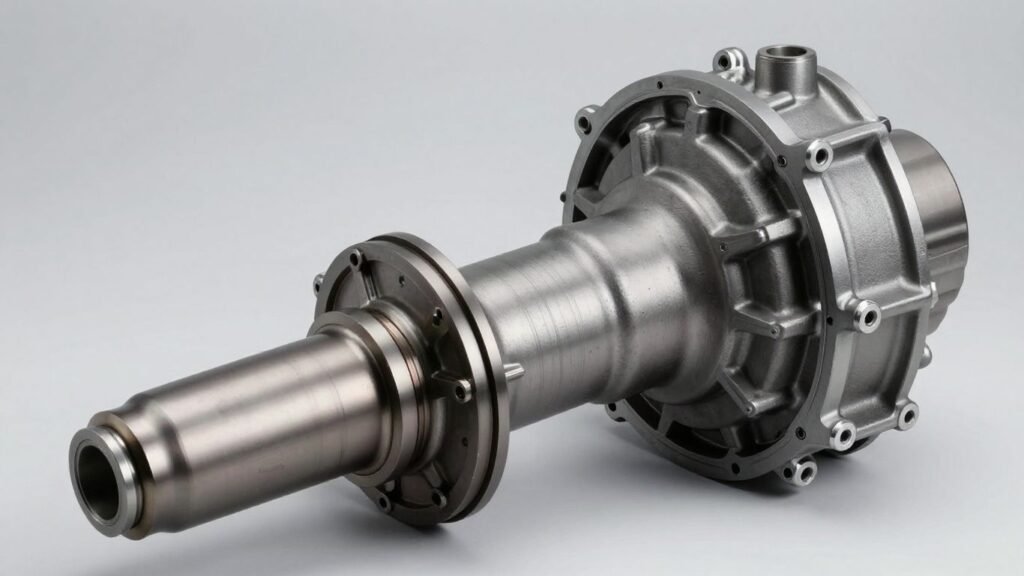
Mazda cars are generally pretty solid, but like any car, they can run into issues with the gearbox and transmission. You might notice weird noises, trouble shifting, or even some strange smells. It’s not always a big deal, and often, catching the problem early can save you a lot of headaches and money. Let’s talk about some common Mazda gearbox and transmission problems and what you can do about them. Key Takeaways Pay attention to your dashboard for a check engine light, as it can signal gearbox trouble. Listen for unusual noises like humming, grinding, or clunking, especially when in neutral or shifting gears. Strange smells, particularly a burning odor, often indicate overheating or degraded transmission fluid. Difficulty shifting, gears slipping, or the car refusing to engage a gear are clear signs of a transmission problem. Regularly check your transmission fluid levels and follow recommended service intervals to keep your Mazda gearbox and transmission in good shape. Recognizing Mazda Gearbox Warning Signs The Illuminated Check Engine Light That little orange light on your dashboard, the check engine light, can mean a whole lot of things. Sometimes it’s something simple, like a loose gas cap. But when it comes to your Mazda’s gearbox, it often signals that something more serious is going on internally. It’s your car’s way of saying, "Hey, pay attention to me!" Don’t just ignore it, especially if it stays on. It could be pointing to issues with sensors, solenoids, or even the transmission control module itself. Getting it checked out sooner rather than later can prevent a small problem from turning into a major, expensive repair. Unusual Noises When In Neutral When your car is sitting still with the engine running but not moving, it should be pretty quiet. If you start hearing odd sounds like humming, clunking, or even a grinding noise when you’re in neutral, that’s a definite red flag. This often happens when the transmission fluid is low or has become dirty and lost its lubricating properties. The gears and other moving parts inside aren’t getting the protection they need, and they start to make their displeasure known. It’s like trying to run without water – things just don’t work right and start to wear down. Strange Smells Emanating From The Gearbox Your car’s gearbox has its own special fluid that keeps everything running smoothly. If you start to notice a strange smell, almost like burning toast or burnt oil, coming from your car, it’s usually a sign that the transmission fluid is overheating or has degraded. This can happen if the fluid level is too low, or if the fluid itself is old and has lost its effectiveness. Overheated fluid can’t do its job of cooling and lubricating properly, leading to increased friction and potential damage to the internal components. It’s a smell you definitely don’t want to ignore. Paying attention to these early warning signs is your best bet for keeping your Mazda’s gearbox in good shape. Small issues, when caught early, are almost always easier and cheaper to fix than letting them go until they cause bigger problems. Addressing Mazda Transmission Shifting Difficulties Sometimes, your Mazda might let you know it’s having trouble with its gearbox through how it shifts gears. It’s not always a loud noise or a warning light; often, it’s a subtle change in how the car feels when you move between gears. Hesitant or Refusing to Engage Gears Have you noticed your Mazda taking a little longer than usual to switch gears? Instead of an instant change, it feels like it’s pausing or even struggling to get into the next gear. This hesitation can be a sign that something’s not quite right inside the transmission. It might be related to the transmission fluid level or condition, or perhaps some internal components are starting to wear down. Don’t ignore this; it’s your car’s way of telling you to get it checked out. Slipping Gears and Unexpected Neutral This is a more concerning symptom. If your car feels like it’s suddenly popping out of gear on its own, or if you’re driving along and it unexpectedly shifts into neutral, that’s a clear sign of a significant transmission problem. This can be really dangerous, especially if it happens when you’re on the highway or in traffic. It often points to worn-out parts within the transmission that aren’t holding the gears properly anymore. Grinding or Shaking During Gear Changes Shifting gears should feel smooth. If you’re hearing a grinding noise when you try to change gears, or if the whole car shakes or shudders during the shift, it’s definitely not normal. For manual transmissions, this could be a clutch issue or low transmission fluid. In automatic transmissions, it might indicate internal problems with the gear sets or the hydraulic system. It’s best to have a mechanic take a look before the problem gets worse. When your transmission starts acting up, it’s easy to get worried. But remember, most of these issues can be fixed if caught early. Regular checks and addressing these shifting problems promptly can save you a lot of hassle and money down the road. Investigating Mazda Transmission Fluid Issues Transmission fluid is like the lifeblood of your Mazda’s gearbox. It keeps things lubricated, cools down components, and helps with smooth shifting. When this fluid isn’t right, problems can pop up pretty fast. It’s not just about topping it up; the condition and level of this fluid are super important. Identifying Leaking Transmission Fluid Spotting a transmission fluid leak is often the first clue something’s up. You might notice reddish, oily puddles under your car after it’s been parked for a while. This fluid has a distinct smell, sometimes a bit sweet, sometimes more like burnt oil. Leaks can happen from worn-out seals, gaskets, or cooler lines. If you see these puddles, don’t ignore them; it means your transmission is losing a vital fluid. The Impact of Low Transmission Fluid Levels When the transmission fluid level drops too

Mazda engines for sale: new, used, and remanufactured options.
Blog

Find Your Perfect Mazda Engine for Sale: New, Used, and Remanufactured Options

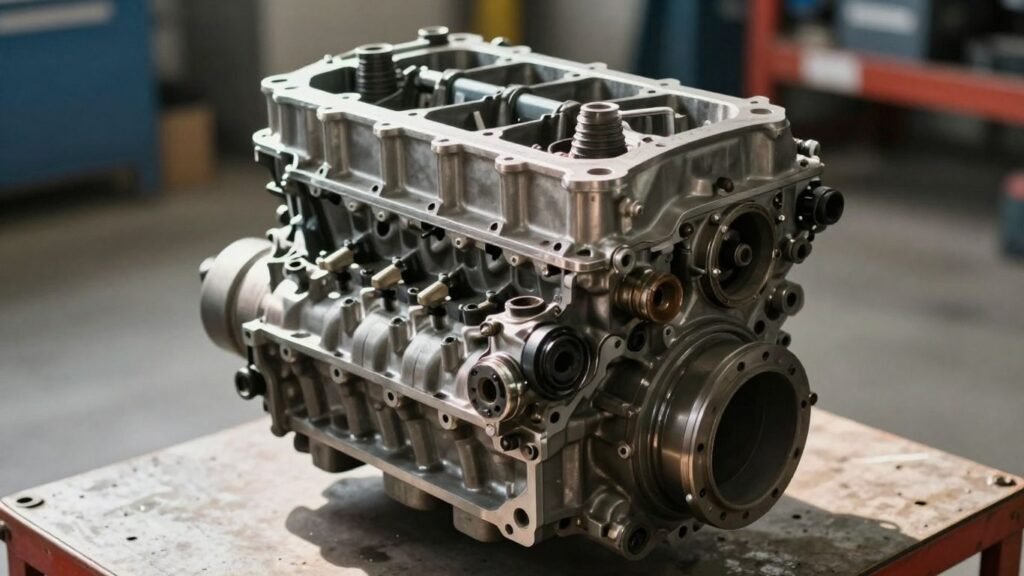
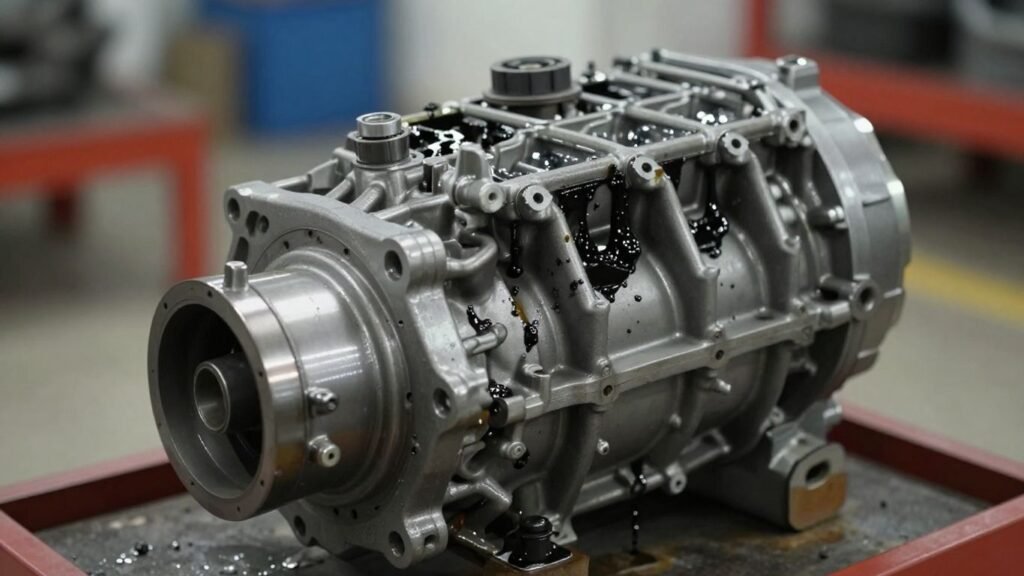
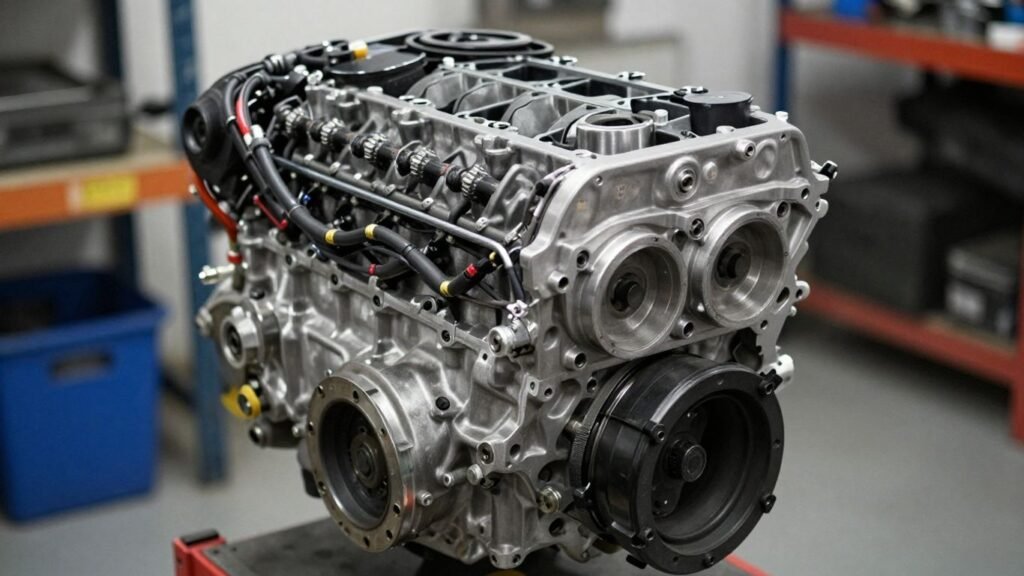
So, your Mazda needs a new engine, huh? It can feel like a big deal, trying to figure out what to get. You’ve got options, though – new, used, or rebuilt. It’s not always easy to know which one is best for your car and your wallet. We’re here to break down what’s out there, so you can find a Mazda engine for sale that fits your needs without too much stress. Let’s get this sorted. Key Takeaways When looking for a Mazda engine for sale, you can choose between new, used, or remanufactured options, each with different benefits. Used Mazda engines are often cheaper upfront but come with a history you might not fully know. Remanufactured Mazda engines are rebuilt to like-new condition using quality parts and testing, offering more reliability than used. Checking engine compatibility using your vehicle’s VIN and model details is important to ensure a proper fit. Many suppliers offer warranties and straightforward purchasing processes to make buying a Mazda engine for sale easier. Explore Your Mazda Engine for Sale Options Understanding Used Mazda Engines When your Mazda needs a new heart, a used engine can be a good way to get back on the road without breaking the bank. These engines come straight from other vehicles, and while they’ve got some miles on them, they can still have plenty of life left. It’s all about finding one that’s been well-maintained and properly tested. We check ours thoroughly – think compression tests, looking for any obvious damage, and making sure they run smoothly. It’s not just a quick look; we want to be sure it’s a solid choice for you. A used engine is essentially a pre-owned component pulled from a donor car. While it’s a more budget-friendly option, its history and remaining lifespan can be uncertain. Careful inspection and testing are key to making a good choice. The Value of Remanufactured Mazda Engines Remanufactured engines are a step up from used. Think of it like a complete overhaul. We take an old engine, tear it all the way down, clean every single part, and replace anything that’s worn out with new or re-machined components. It’s rebuilt to meet or even beat the original factory specs. This means you get performance and reliability that’s pretty close to brand new, but at a much lower cost than buying a completely new engine from the dealer. It’s a smart way to get that factory-fresh feel without the factory-fresh price tag. Engine Type Cost vs. New Typical Lifespan Warranty Used Engine Lower Variable Limited Remanufactured 40-60% Less Near New Comprehensive New Mazda Engine Availability Getting a brand-new Mazda engine is always an option, and it comes with the peace of mind that it’s never been used before. These are built to the exact specifications Mazda intended. However, they do come with the highest price tag. For many people, the cost of a new engine can be prohibitive, especially when compared to the solid performance and value offered by a well-tested used or a thoroughly remanufactured unit. We can help you figure out if a new engine is the right fit for your budget and needs. Quality Assurance for Your Mazda Engine Purchase Rigorous Testing Procedures When you’re looking for a Mazda engine for sale, knowing it’s been thoroughly checked is a big deal. We don’t just pull an engine and ship it out. Every single engine goes through a series of checks. This includes compression tests to make sure it can build power like it should, and detailed visual inspections to catch any obvious problems. We also run operational checks to see how it performs. Our goal is to make sure the engine you get is ready to go. Warranty Protection for Peace of Mind Buying an engine is a significant investment, and we get that. That’s why we back our engines with warranty protection. The specifics can vary depending on whether you choose a used or remanufactured option, but you’ll always have some level of coverage. This gives you that extra layer of confidence, knowing that if something unexpected comes up, you’re not completely on your own. It’s about making sure you feel good about your purchase long after it arrives. We believe in transparency and stand behind the quality of our engines. Our warranty policies are designed to offer you real protection and support. Transparency in Engine History and Mileage It can be tough to know exactly what you’re getting with a used engine. We try to make it easier by being upfront about what we know. For each engine, we’ll provide details on its history and the recorded mileage. This information helps you make a more informed decision, so you have a clearer picture of the engine’s past life and its potential remaining service. We want you to be confident in the engine you choose for your Mazda. Finding the Right Mazda Engine for Your Vehicle So, you need a new engine for your Mazda, huh? It can feel like a big puzzle trying to figure out which one is the right fit. Don’t just grab the first one you see; compatibility is key to getting your car back on the road smoothly. First things first, you’ll need to know your Mazda’s specifics. This usually means having your Vehicle Identification Number (VIN) handy. It’s like your car’s fingerprint and tells us exactly what came from the factory. We also need to consider the year, model, and sometimes even the specific engine code. Different trims or production years can have different engine setups, even within the same model. It’s not always a one-size-fits-all situation, unfortunately. When you’re looking at engines, what exactly comes in the box? Most often, you’ll get what’s called a ‘long block’ or ‘short block’. This typically includes the main guts: the engine block itself, the crankshaft, pistons, and cylinder heads. Things like the alternator, starter motor, or air conditioning compressor? Those are usually separate and you’ll likely need to transfer them from

Genuine Mazda spare parts available across Australia.
Blog

Find Genuine Mazda Spare Parts Across Australia Wide

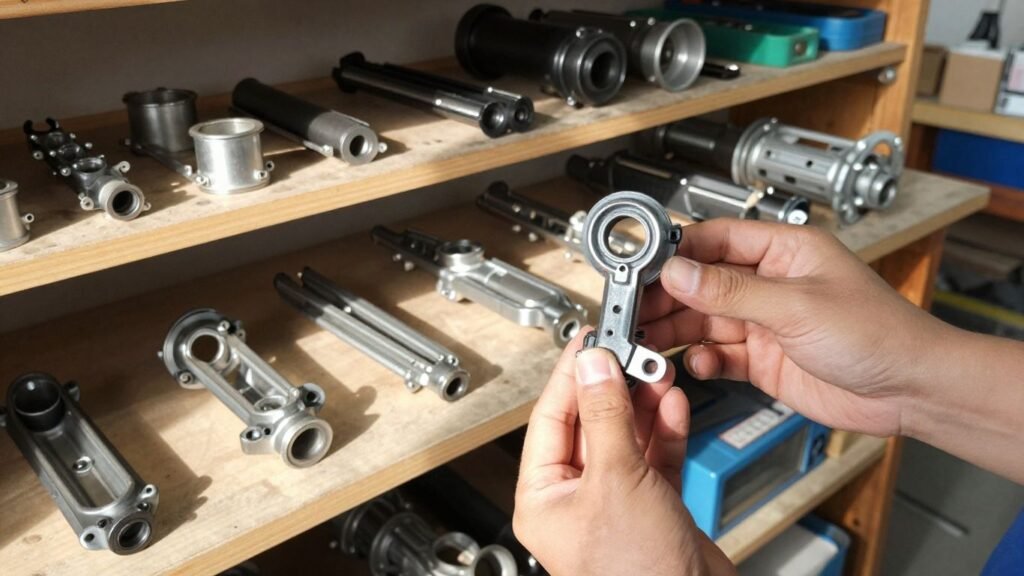
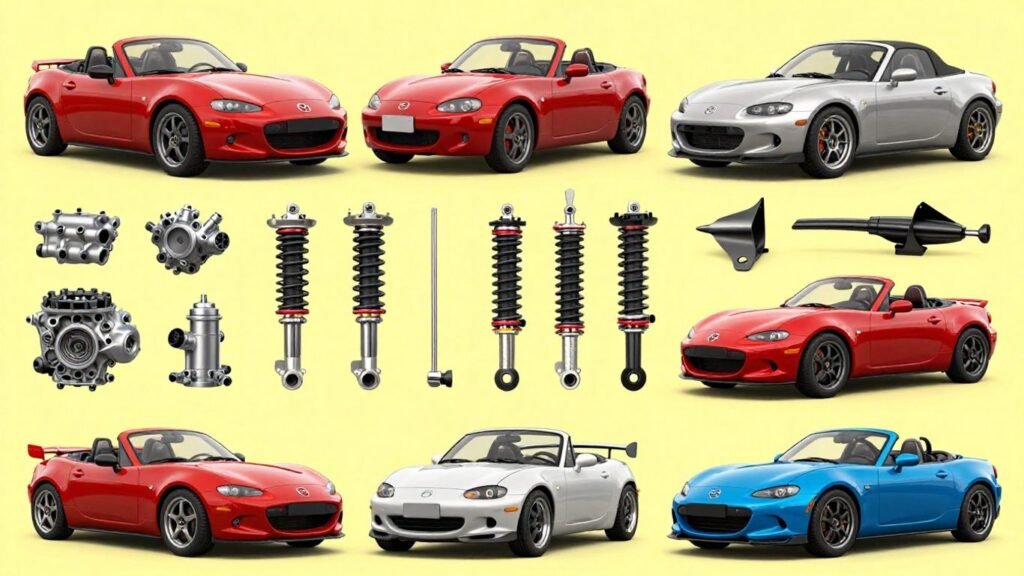
Finding the right parts for your Mazda can sometimes feel like a treasure hunt, especially when you need them anywhere across Australia. Whether you’re a DIY mechanic or just need a quick replacement, knowing where to look for reliable Mazda spare parts Australia wide is key to keeping your car running smoothly. This guide will help you sort through the options, from official dealerships to online stores and even trusted wreckers. Key Takeaways Genuine Mazda spare parts Australia wide are available through authorized dealerships and specialist suppliers. Online retailers and marketplaces offer a convenient way to find a wide range of Mazda parts. Used and aftermarket parts can be cost-effective alternatives, but verifying quality and compatibility is important. Mazda wreckers are a good source for rare or hard-to-find components. Always check part compatibility and customer reviews to ensure you’re getting authentic and suitable Mazda spare parts. Finding Genuine Mazda Spare Parts Across Australia Wide Why Choose Genuine Mazda Parts When it comes to keeping your Mazda running smoothly, sticking with genuine parts makes a lot of sense. These are the exact same components that your car was built with at the factory. They’re designed specifically for your model, meaning they fit right and work as intended. Using genuine parts helps maintain your Mazda’s performance and can even help preserve its resale value. It’s about getting that original quality and reliability back into your vehicle. Benefits of Sourcing Locally Buying parts from local suppliers, whether it’s an authorized dealer or a specialist shop, often means you get them faster. Plus, you can usually talk to someone face-to-face if you have questions or need advice. This can be a big help when you’re trying to figure out exactly what you need. Local businesses also support the Australian economy, which is always a good thing. Nationwide Availability Don’t worry if you’re not near a major city. Mazda parts are available all over Australia. Many dealerships and specialized parts suppliers have online stores, and they ship their products to every corner of the country. This means you can get the genuine parts you need, no matter where you live. The convenience of ordering online and having parts delivered directly to your door is a game-changer for many car owners. Sourcing genuine Mazda parts across Australia is more accessible than ever. Whether you’re in a bustling city or a remote town, the network of suppliers ensures you can find what you need without excessive hassle. This widespread availability means less downtime for your vehicle and more confidence on the road. Types of Mazda Spare Parts Available When it comes to keeping your Mazda running smoothly or fixing it up after a bit of wear and tear, you’ll find a huge variety of parts out there. It’s important to know what you’re looking for to make sure you get the right fit for your specific model. Whether you’re a DIY mechanic or just need a replacement for a worn-out component, Mazda has you covered. Engine and Mechanical Components This is the heart of your car, and it’s where you’ll find many of the parts that keep things moving. Think about things like the engine block itself, pistons, crankshafts, and the oil pump. You’ll also find cooling system parts like radiators and water pumps, as well as fuel system components such as fuel injectors and fuel pumps. Don’t forget about the exhaust system, including mufflers and catalytic converters. These are the workhorses that make your Mazda go. Body and Exterior Parts These are the parts that give your Mazda its shape and protect you from the elements. This category includes everything from doors, fenders, and bumpers to hoods and trunk lids. You’ll also find exterior trim pieces, mirrors, and of course, lighting components like headlights, taillights, and turn signals. If you’ve had a minor fender bender or just want to refresh the look of your car, these are the parts you’ll be looking at. Electrical and Interior Components This covers all the bits that make your car comfortable and functional inside, plus all the wiring and electronics. Inside, you might be looking for seats, dashboard components, door panels, or even just floor mats. Electrically, this includes things like alternators, starters, batteries, and the entire infotainment system. Sensors, control modules, and wiring harnesses also fall into this broad category. It’s a lot, but it all contributes to the overall driving experience. Suspension and Braking Systems Keeping your Mazda stable and stopping safely is the job of these parts. For suspension, you’re looking at shock absorbers, struts, control arms, and springs. These help give you a smooth ride and keep your tires on the road. When it comes to braking, you’ll find brake pads, rotors, calipers, and brake lines. These are absolutely critical for your safety, so making sure they’re in good condition is a top priority. When you’re hunting for parts, it’s always a good idea to have your car’s VIN (Vehicle Identification Number) handy. This little number is like a fingerprint for your car and helps ensure you’re getting a part that’s a perfect match, avoiding any compatibility headaches down the road. Where to Buy Mazda Parts in Australia So, you need a part for your Mazda and you’re wondering where to start looking. It can feel a bit overwhelming with all the options out there, but thankfully, getting genuine Mazda parts across Australia is pretty straightforward. You’ve got a few main avenues to explore, each with its own perks. Authorised Mazda Dealerships Your first stop, and often the most reliable, is an authorised Mazda dealership. These places are official and have direct access to the full range of genuine Mazda parts. Whether you need a common replacement like a brake pad or something more specific, they’ll have it or can order it for you. They also have staff who know Mazdas inside and out, so they can help you find the exact part you need. Some dealerships even have dedicated parts departments that cater to

Mazda auto parts: new, used, and genuine options
Blog

Find Quality Mazda Auto Parts in Tasmania: New, Used, and Genuine Options

Looking for Mazda auto parts Tasmania? It can be a bit of a hunt to find exactly what you need for your car. Whether you’re trying to fix up an older model or keep a newer one running smoothly, knowing where to look is key. Tasmania has several options for getting your hands on new, used, or even genuine Mazda parts, and we’ll walk you through what’s available. Key Takeaways You can find new, used, and genuine Mazda auto parts Tasmania. Used parts are a good way to save money and are eco-friendly. Genuine parts offer reliability and often come with a warranty. Aftermarket parts can be a cost-effective alternative. Local suppliers and online services make finding parts easier. Finding Quality Mazda Auto Parts in Tasmania New, Used, and Genuine Options So, you’re looking for parts for your Mazda here in Tasmania? It can feel like a bit of a treasure hunt sometimes, right? You’ve got a few main roads you can go down when you need something for your car. There are brand new parts, which are great if you want that factory fresh feel, but they can sometimes cost a pretty penny. Then there are used parts. These are often a really smart way to go, especially if you’re trying to keep costs down or if you’re looking for something a bit older that might be harder to find new. And of course, there are genuine Mazda parts. These are made specifically for your car by Mazda, so you know they’ll fit and work just right. Choosing the right type of part really depends on what you need, your budget, and how long you plan to keep the car. Expert Assistance for Your Mazda Needs Sometimes, you just don’t know what you don’t know, you know? Trying to figure out the exact part number or if a certain component will work with your specific Mazda model can be a headache. That’s where getting some help from people who actually know their stuff comes in handy. Local suppliers and wreckers often have staff who have been around cars for ages. They can look at your car, or at least listen to what you’re describing, and point you in the right direction. It’s way better than just guessing and ending up with the wrong thing. Don’t be afraid to ask questions. The people who sell car parts, especially used ones, usually know a lot about different makes and models. They can save you time and money by helping you find exactly what you need the first time. Nationwide Service for Tasmanian Drivers Even though we’re on an island, that doesn’t mean we’re cut off from the rest of the country when it comes to car parts. A lot of suppliers, even those based on the mainland, ship all over Australia, including right here to Tasmania. This opens up a much bigger pool of parts for you to choose from. So, if you can’t find what you’re looking for locally, don’t despair. A quick search online might reveal a supplier in Sydney or Melbourne that can get the part to your door, often quicker than you might think. Navigating Used Mazda Parts in Tasmania Reliable Second-Hand Components When your Mazda needs a part, going the used route can be a smart move. It’s often a lot cheaper than buying brand new, and for many common repairs, a good quality used part is just as effective. Think of it like this: instead of buying a whole new set of tools when one wrench is missing, you just find that one specific wrench. That’s kind of what buying used parts is like for your car. You can find some really solid components that have been pulled from other Mazdas. Eco-Friendly and Affordable Choices Choosing used parts is also a good way to be a bit kinder to the planet. Instead of manufacturing a new part, which uses energy and resources, you’re giving an existing part a second life. It cuts down on waste, which is always a plus. Plus, let’s be honest, saving money is a big deal for most of us. It means you can get your car fixed without breaking the bank. Buying used doesn’t mean you’re getting junk. Many suppliers carefully check these parts to make sure they’re still in good working order before they sell them on. It’s a win-win for your wallet and the environment. Inspected and Tested for Quality It’s important to know that not all used parts are created equal. The best places will have a system for checking these components. They’ll look them over, test them out, and make sure they’re ready to go back on the road. This way, you’re not just buying a random piece of metal; you’re getting something that’s been verified. It gives you a bit more peace of mind when you’re putting it into your car. Genuine Mazda Parts for Tasmanian Vehicles Authentic Components for Your Mazda When it comes to keeping your Mazda running just like it did when it rolled off the factory floor, nothing beats genuine parts. These are the components designed and manufactured by Mazda specifically for your car model. They fit perfectly and are built to the same high standards as the original parts. For Tasmanian drivers, this means you can trust that your Mazda will perform reliably, whether you’re cruising down the coast or heading inland. Ensuring Performance and Durability Using genuine Mazda parts isn’t just about maintaining your car’s appearance; it’s about its long-term health and performance. These parts are made with specific materials and undergo rigorous testing to meet Mazda’s quality benchmarks. This attention to detail translates to better fuel efficiency, smoother operation, and a longer lifespan for your vehicle. It’s a smart choice for preserving your investment. Choosing genuine parts means you’re not just fixing a problem; you’re maintaining the integrity of your Mazda. It’s about keeping that original driving feel and dependability that you bought the car for in

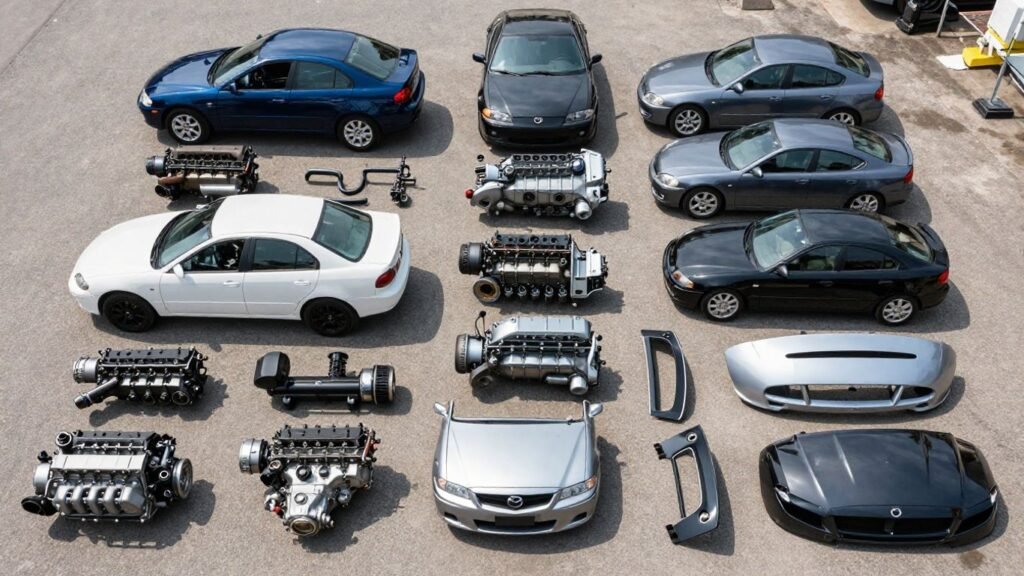
Mazda car parts for sale
Blog

Find Top Mazda Wreckers in Victoria for Used Parts and Cash

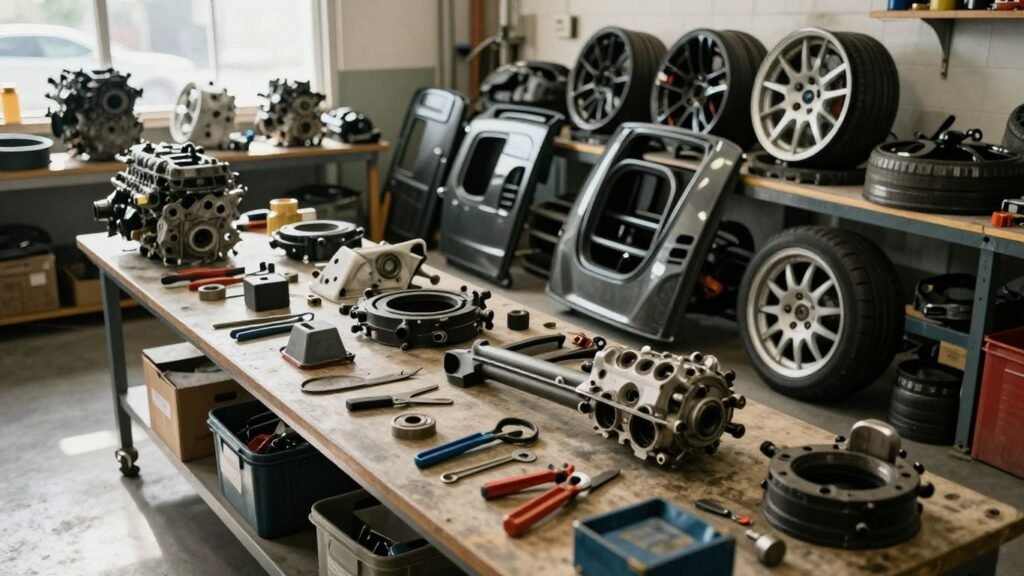
Looking to get rid of an old Mazda in Victoria? Maybe you need a specific part for repairs without breaking the bank. Well, you’re in luck! Finding reliable Mazda wreckers in Victoria is easier than you might think. These places can help you get cash for your unwanted vehicle or source those hard-to-find used parts. Let’s explore your options across Melbourne and beyond. Key Takeaways Several areas in Victoria, including Melbourne, Ringwood, Rosebud, and Sunshine, have dedicated Mazda wreckers. These wreckers offer cash for unwanted, old, damaged, or scrap Mazda vehicles. You can often get a free quote and free towing when selling your car to a wrecker. Mazda wreckers provide a wide range of used and genuine Mazda auto parts at affordable prices. Using wreckers contributes to environmentally friendly vehicle recycling and salvaging. Mazda Wreckers Melbourne Looking to get rid of an old Mazda or need a specific part without breaking the bank? Melbourne has a solid network of Mazda wreckers ready to help. These places aren’t just junkyards; they’re often licensed professionals who know their way around all sorts of Mazda models, from the classic 323 to the more recent CX-5. They’ll take your unwanted Mazda, whether it’s running or not, and give you cash for it. The real benefit is getting genuine used parts at a fraction of the cost of new ones. Think about it – instead of paying top dollar for a brand-new alternator, you can often find a perfectly good used one from a wrecker that’s been tested and is ready to go. They dismantle vehicles carefully, salvaging anything that still has life left in it. This is great for your wallet and even better for the environment, as it keeps usable parts out of the landfill. When you deal with a reputable Mazda wrecker in Melbourne, you’re not just selling a car; you’re contributing to a more sustainable way of keeping vehicles on the road. They handle the recycling process, making sure as much as possible is reused or responsibly disposed of. These wreckers usually have a wide inventory. So, if you’re hunting for a specific engine component, a body panel, or even interior bits for your Mazda, chances are they’ll have it. It’s always a good idea to call ahead or check their online listings if they have them, just to confirm they have the part you need for your particular model and year. They can often tell you the condition and price right over the phone. Mazda Wreckers Ringwood If you’re in Ringwood and looking to get rid of an old Mazda, you’ve got options. Mazda wreckers in this area are set up to handle pretty much any Mazda model you can think of, whether it’s running, broken down, or just taking up space. They’re not just about getting rid of cars, though; they’re a big source for used Mazda parts. Think of models like the Mazda 3, Mazda 6, Protege, or even older ones like the 626. They’ll take them all. These Ringwood wreckers often offer a quick and easy way to sell your unwanted Mazda for cash, with free removal services thrown in. It’s a pretty straightforward process. You give them the details of your car – the make, model, year, and its general condition – and they’ll usually give you a quote. If you’re happy with the price, they’ll arrange to pick up the vehicle, often within a few hours, and hand over the cash. It beats trying to sell a clunker privately, that’s for sure. The good thing about using a local wrecker is that they know the area and can often get to you pretty quickly. Plus, they’re equipped to handle the towing, so you don’t have to worry about arranging that yourself. It simplifies the whole selling process quite a bit. Beyond just buying your car, these places are goldmines for affordable second-hand Mazda parts. They dismantle vehicles carefully, checking the quality of parts like engines, transmissions, body panels, and interior components before they’re put up for sale. So, if you need a specific part for your own Mazda repair, it’s definitely worth checking with a Ringwood wrecker first. You can often find genuine parts at a fraction of the cost of buying new. Mazda Wreckers Rosebud If you’re in the Rosebud area and looking to get rid of an old Mazda, or maybe you need a specific part for your current ride, there are local wreckers ready to help. These places often deal with all sorts of Mazda models, from the older Protege and Astina to the more recent Mazda 3 and BT-50. They’re usually pretty good at assessing your car’s condition and offering a fair price, especially if it’s seen better days. Many Rosebud Mazda wreckers offer to buy your unwanted vehicle and even tow it away for free. It’s a pretty straightforward process; you give them the car’s details, they give you a quote, and if you agree, they arrange the pickup. It’s a convenient way to clear out space and make a bit of cash without the hassle of selling it yourself. Finding the right parts can sometimes feel like a treasure hunt. Local wreckers in Rosebud often have a good selection of used Mazda parts, which can be a lifesaver when you’re trying to fix up a car on a budget. They dismantle vehicles carefully, so you can often find genuine components that are still in decent shape. These businesses are licensed to handle old and scrap vehicles, making sure they’re disposed of properly. So, whether you’re selling a car or hunting for a specific part like a gearbox or an engine, checking out the Mazda wreckers in Rosebud is a solid move. They’re usually pretty knowledgeable about different Mazda models and can help you out. Mazda Wreckers Sunshine If you’re in Sunshine and looking to get rid of an old Mazda, you’ve got options. Several places in the area specialize in taking unwanted Mazdas, whether they’re just old,

Scroll to Top