Just Mazda

Blog

Your blog category

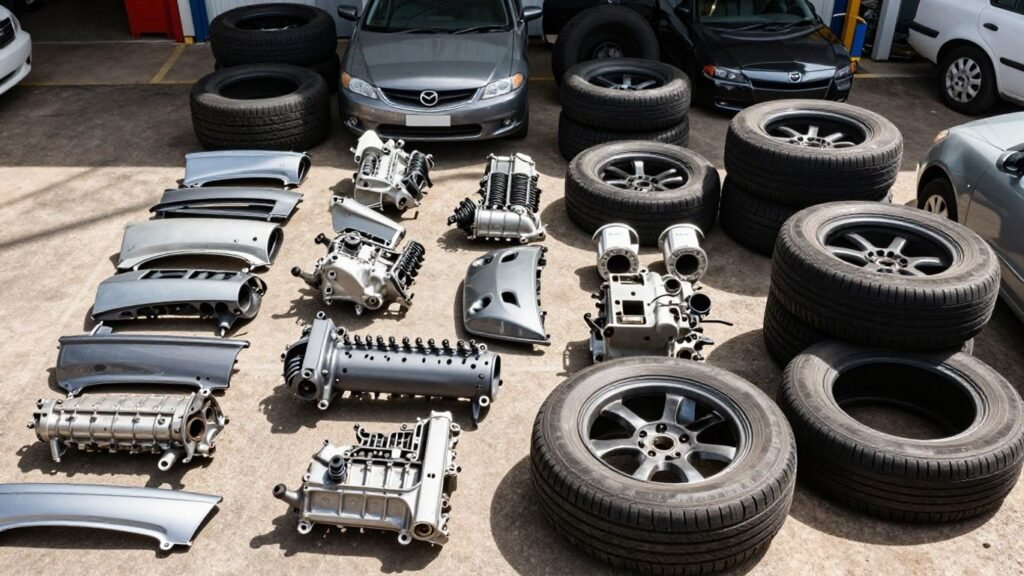
Mazda car with replacement parts
Blog

Find High-Quality Mazda Replacement Parts for Your Vehicle

So, you’ve got a Mazda and you want to keep it running like new. That’s smart. Finding the right Mazda replacement parts can seem like a puzzle, but it doesn’t have to be. Whether it’s for routine upkeep or a little upgrade, knowing where to look and what to get makes all the difference. This guide is all about helping you find those quality parts without the headache. Key Takeaways Using genuine Mazda replacement parts helps your vehicle perform as intended and can prevent future issues. Always check that the parts you order are correct for your specific Mazda model and year, often by using your VIN. Online Mazda parts stores and authorized dealerships are good places to find the parts you need. Regularly replacing worn-out parts, like filters or brake pads, is important for keeping your Mazda in good shape. Choosing the right Mazda replacement parts helps maintain your car’s value and keeps it running smoothly for longer. Understanding Genuine Mazda Replacement Parts When it comes to keeping your Mazda running smoothly, using the right parts makes a big difference. Genuine Mazda replacement parts, often called OEM (Original Equipment Manufacturer) parts, are made by Mazda or companies they specifically contract with. This means they’re designed to fit your car perfectly and work just like the original components. Benefits of OEM Mazda Parts Using OEM parts is a smart move for a few reasons. For starters, they’re built to Mazda’s exact standards. This usually means better quality and a longer lifespan compared to aftermarket parts that might be made more cheaply. When you install an OEM part, you know it’s going to fit right the first time, without any fuss. This saves you time and potential headaches down the road. Plus, using genuine parts can help maintain your Mazda’s resale value, as it shows you’ve taken good care of the vehicle. Ensuring Fitment With VIN Entry One of the easiest ways to make sure you’re getting the correct part is by using your Vehicle Identification Number (VIN). Most reputable online Mazda parts sellers and dealerships will have a spot on their website where you can enter your 17-digit VIN. The system then cross-references this with its parts database to show you only the components that are compatible with your specific car. It’s a pretty foolproof method to avoid ordering the wrong thing. It’s easy to get caught up in trying to save a few bucks with non-OEM parts, but sometimes that can end up costing you more in the long run. A part that doesn’t fit quite right might cause damage to other components, or it might just not last as long, meaning you’ll be buying another replacement sooner than you’d like. The Mazda Parts Online Advantage Shopping for Mazda parts online has become super convenient. Many dealerships now have online stores, and there are also dedicated online retailers that specialize in Mazda parts. You can often find a wider selection online than you might at a local shop. Plus, you can easily compare prices and read reviews. Many sites offer VIN lookup tools and detailed part descriptions, making it simpler to find exactly what you need without leaving your house. Some sites even sync their inventory with dealership parts departments, so you have a better chance of finding the part in stock and ready to ship. Navigating Mazda Parts Catalogs Finding the right part for your Mazda might seem a little tricky at first, but it’s actually pretty straightforward once you know how to look. Think of the parts catalog like a giant menu for your car. You wouldn’t order a steak at a seafood restaurant, right? Same idea here – you want to make sure the part you’re ordering is actually made for your specific Mazda. Searching By Part Number or Keyword If you’ve got a part number handy, that’s usually the quickest way to find what you need. It’s like having the exact item number from a store’s inventory. Just type that number into the search bar. If you don’t have a part number, don’t sweat it. You can try searching with keywords. For example, if you need a new air filter, just type in "air filter." Sometimes, being a little more specific helps, like "Mazda 3 air filter" or "CX-5 cabin air filter." The more precise your search term, the better your results will likely be. Selecting Your Specific Mazda Model This is a big one. Most online parts stores will let you pick your exact Mazda model, year, and sometimes even trim level. This is super helpful because it filters out all the parts that won’t fit. You’ll usually see a "Select Your Vehicle" or "My Garage" section. Just pop in your car’s year, make (Mazda, obviously), and model (like a Mazda3, CX-5, or Miata). Once you do this, the site will only show you parts that are compatible with your car. It saves a lot of guesswork and potential headaches. Exploring Popular Mazda Replacement Parts Sometimes, you might not know exactly what you need, or you’re just curious about what’s commonly replaced. Many parts sites will have sections for "Popular Parts" or "Frequently Replaced Items." This can be a good place to start if you’re doing some general maintenance or if you’ve noticed something isn’t quite right but can’t pinpoint the exact part. You might find things like brake pads, oil filters, wiper blades, or even common accessories listed here. It’s a nice way to get an idea of what other Mazda owners are buying. Using your vehicle’s VIN (Vehicle Identification Number) is the most accurate way to guarantee a part will fit. Many reputable online parts sellers offer a VIN lookup tool. When you enter your 17-digit VIN, the system checks it against a database to confirm compatibility. If a part is guaranteed to fit your VIN and it doesn’t, good sellers will often cover return shipping and restocking fees. Key Mazda Replacement Parts Categories When it comes to keeping your Mazda

Genuine Mazda parts for sale online.
Blog

Find Genuine Mazda Parts at Our Online Shop

Looking for that specific part for your Mazda? It can be a real pain trying to track down the right piece, especially if you’re trying to do the work yourself. You want to make sure you get genuine parts, not some cheap knock-off that’s going to cause more problems later. That’s where finding a good Mazda parts shop online really comes in handy. We’ll walk you through how to find exactly what you need without all the hassle. Key Takeaways Easily find genuine Mazda parts by browsing specific models or searching with your part number or VIN. Access a wide selection of Mazda parts, covering everything from engine components and suspension to lighting and exterior accessories. Enjoy a smooth online shopping process with fast shipping across Canada and a satisfaction guarantee. Prepare your Mazda for any season with specialized maintenance items like winter tire packages and routine upkeep supplies. Personalize your Mazda with exclusive accessories, from lifestyle products and floor liners to cargo solutions. Genuine Mazda Parts For Your Vehicle When it comes to keeping your Mazda running just right, there’s really no substitute for parts made specifically for it. That’s where our genuine Mazda parts come in. They’re designed, tested, and built by Mazda, so you know they’ll fit and perform exactly as intended. Think of it like this: you wouldn’t put just any old tire on a race car, right? Your Mazda deserves the same attention to detail. Shop By Mazda Model Finding the right part can sometimes feel like a treasure hunt. We’ve made it simple. Just tell us what Mazda you’re driving – whether it’s a sporty MX-5 Miata, a reliable Mazda3, or a spacious CX-9 – and we’ll show you parts that are a perfect match. No more guessing if a part will fit; we take the guesswork out of it for you. Search By Part Number Or VIN If you’re a bit more hands-on or have a specific part in mind, you can use the part number. It’s like a direct line to the exact component you need. Even better, if you have your Vehicle Identification Number (VIN), you can plug that in. The VIN is like your car’s fingerprint, and it guarantees we find the absolute correct part for your specific vehicle. It’s the most accurate way to be sure. Discover Discounted OEM Parts We know that quality shouldn’t break the bank. That’s why we work hard to offer genuine OEM Mazda parts at prices that make sense. You get the same high quality that came with your car from the factory, but at a better price than you might expect. It’s a smart way to maintain your vehicle without overspending. Keeping your Mazda in top shape with genuine parts means it’ll perform better, last longer, and hold its value. It’s an investment in your car and your driving experience. Comprehensive Mazda Parts Catalog When it comes to keeping your Mazda running just right, having access to the correct parts makes all the difference. We’ve put together a huge selection of genuine Mazda parts, covering pretty much everything you might need, whether you’re doing a simple tune-up or a major repair. You can trust that these are the exact parts your Mazda was built with. We’ve organized our catalog so you can find what you’re looking for without too much fuss. Need something for the heart of your car? We’ve got you covered with engine components and all the gaskets that go with them. If your ride feels a bit wobbly or you’re hearing strange noises when you turn, our suspension and steering parts should sort you out. And for that finishing touch, or if something’s broken, check out our lighting and exterior accessories. We’ve got everything from headlights to body trim. Finding the right part can sometimes feel like a puzzle. We aim to make it straightforward, so you can get back to enjoying your drive without unnecessary delays or confusion. Our goal is to provide exactly what your Mazda needs to perform at its best. Here’s a quick look at some of the main areas we cover: Category Examples Engine Components & Gaskets Spark plugs, oil filters, timing belts, head gaskets Suspension & Steering Parts Shocks, struts, control arms, tie rods Lighting & Exterior Headlights, taillights, mirrors, body panels Brakes Pads, rotors, calipers, brake lines Filters Air filters, cabin air filters, fuel filters Fluids & Chemicals Oil, coolant, brake fluid, washer fluid Convenient Online Shopping Experience Shopping for Mazda parts online should be straightforward, and we’ve worked hard to make it that way. You can find exactly what you need without any hassle. We know your time is important, so we’ve streamlined the entire process from browsing to checkout. Our system is designed to get you the right parts quickly and efficiently, so you can get back on the road. We understand that getting the correct part the first time saves you time and frustration. That’s why we offer multiple ways to search, making sure you get a perfect fit for your specific Mazda. We offer fast shipping across Canada, so you won’t be waiting around for your order. Plus, we stand behind everything we sell with a satisfaction guarantee. If something isn’t right, we’ll make it right. And if you ever get stuck or have a question, our team is ready to help you out. We’re here to make sure your parts buying experience is as smooth as possible. Seasonal Mazda Maintenance Essentials As the seasons change, your Mazda needs a little extra attention to keep it running right. We’ve got you covered with parts that help you get ready for whatever the weather throws your way. Winter Tire and Wheel Packages Don’t get caught in the snow. Having the right tires and wheels makes a big difference when the temperature drops. We have packages specifically chosen to work with your Mazda, giving you better grip and control on icy or snowy roads. It’s about staying safe and confident

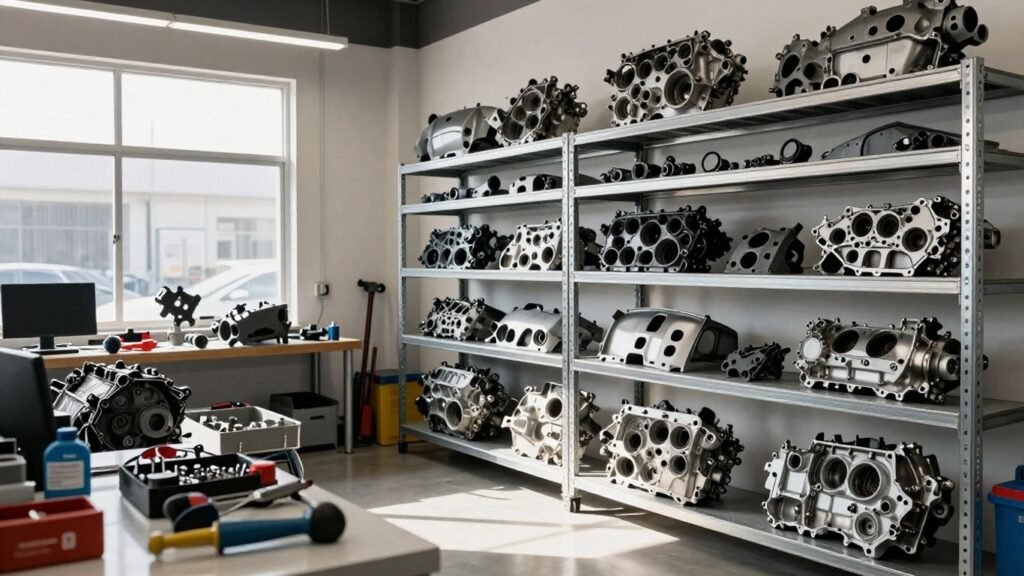
Mazda auto spare parts
Blog

Find Quality Mazda Auto Spares: Your Guide to OEM and Aftermarket Parts

Keeping your Mazda running smoothly means using the right parts. When it’s time for a repair or just some upkeep, you’ll want to know about your options. This guide will help you figure out the best Mazda auto spares, whether you’re looking at genuine Mazda parts or aftermarket ones. We’ll cover what to look for, where to find them, and why using quality parts really matters for your car. Key Takeaways Genuine Mazda auto spares are made specifically for your car, meaning they fit right and work as intended. Always check part numbers, packaging, and logos to make sure you’re getting authentic Mazda auto spares. Authorized Mazda dealers are a safe bet, but reputable online sellers can also be good sources for Mazda auto spares. Using real Mazda auto spares helps your car last longer, perform better, and keep its value. The Mazda parts catalog is a helpful resource for finding everything from engine parts to accessories for your Mazda auto spares needs. Understanding Mazda Auto Spares: OEM vs. Aftermarket When your Mazda needs a new part, you’ve got a couple of main roads you can take: stick with genuine Mazda parts, often called OEM (Original Equipment Manufacturer), or go for aftermarket options. It sounds simple, but there’s a bit more to it than just picking one. OEM parts are made by Mazda, or by companies they contract with, specifically for your car model. Think of them as the original parts that came with your Mazda when it rolled off the assembly line. Aftermarket parts, on the other hand, are made by other companies. These companies aren’t directly affiliated with Mazda, and they make parts that can fit a variety of cars, sometimes even different makes and models. The Advantages of Genuine Mazda Parts Genuine Mazda parts are designed with your specific vehicle in mind. This means they’re built to fit perfectly, which is a pretty big deal. When a part fits just right, it works with the other components in your car the way it’s supposed to. This can lead to better performance and less hassle down the road. Plus, these parts usually go through some pretty strict testing to make sure they meet Mazda’s quality standards. It’s like getting a part that’s already proven itself to work well with your car. And often, when you buy genuine parts, you get some warranty coverage, which is nice for peace of mind. Potential Pitfalls of Aftermarket Components While aftermarket parts can sometimes be cheaper, they come with their own set of potential problems. Because they’re made by different companies, the quality can really vary. Some aftermarket parts might be just as good as OEM, but others might not fit quite right, or they might not last as long. You could end up with a part that causes other issues in your car, or you might have to replace it again sooner than you’d like. It’s a bit of a gamble, and you really have to do your homework to find a reputable brand that makes good quality parts. Choosing the right parts for your Mazda is important for keeping it running well. While aftermarket parts might seem like a good deal, sticking with genuine Mazda parts often means you’re getting a part that’s made to work perfectly with your car, potentially saving you trouble and money in the long run. Ensuring Perfect Fit and Compatibility This is where the difference between OEM and aftermarket really shows. Mazda designs its own parts to integrate smoothly with the rest of your car’s systems. They know exactly how everything should connect and function. Aftermarket parts have to be more general, trying to fit a range of vehicles. This can sometimes lead to fitment issues, where a part doesn’t quite line up, or it requires some modification to install. When a part doesn’t fit perfectly, it can affect how your car performs and even its safety. It’s always a good idea to double-check compatibility, especially if you’re going the aftermarket route. Identifying Authentic Mazda Auto Spares So, you need to get some parts for your Mazda. That’s great! But how do you make sure you’re actually getting the real deal and not some cheap imitation? It can feel a bit like a treasure hunt sometimes, trying to spot the genuine article. Let’s break down a few ways to tell if you’re looking at authentic Mazda auto spares. Verifying Part Numbers for Authenticity This is probably the most straightforward way to start. Every single Mazda part has a specific part number stamped on it or its packaging. This number is like a unique ID for that component, designed to fit your exact Mazda model and year. Before you buy anything, grab your owner’s manual or check with a dealer to find out the correct part number for what you need. Then, compare it carefully to the number on the part or its box. If they don’t match, or if the number looks like it’s been messed with, that’s a big red flag. It’s worth taking a moment to get this right; it saves a lot of headaches later. Inspecting Packaging for Genuine Branding Think about how things are usually packaged when they come from a reputable manufacturer. Genuine Mazda parts usually come in clean, well-designed boxes or bags featuring the Mazda logo and other official branding. Look closely at the printing – is it crisp and clear, or does it look blurry or smudged? Are there any spelling errors? Sometimes, fake packaging might look pretty close, but often there are small details that give it away. Check for things like holograms or security seals if they’re supposed to be there. If the packaging looks flimsy, poorly made, or just ‘off’ in some way, be suspicious. Scrutinizing the Mazda Logo on Parts Beyond the packaging, the part itself should have the Mazda logo. This isn’t just about seeing a logo; it’s about the quality of that logo. Genuine Mazda logos are usually precisely applied, with

Mazda used parts in Australia
Blog

Find Quality Mazda Used Parts in Australia: A Buyer’s Guide

Looking for parts for your Mazda in Australia? It can be a bit of a hunt, but with the right approach, you can find exactly what you need without breaking the bank. Whether you’re restoring a classic or just need to replace a worn-out component, knowing where to look and what to check is key. This guide will help you find quality Mazda used parts Australia has to offer. Key Takeaways When buying Mazda used parts Australia wide, check for damage, rust, and previous repairs, especially on body and chassis components. Inspect interior parts like dash tops and seats for cracks or wear, and test all electrical systems thoroughly. For engine and drivetrain parts, look for signs of leaks, wear, and ensure they match your vehicle’s specifications. Iconic models like the RX-7 and RX-2, and popular vehicles like the BT-50 Ute, have specific parts availability and considerations. Always verify part compatibility and condition, compare prices, and consider the long-term benefits of using reliable used parts. Navigating The Mazda Used Parts Landscape In Australia Finding the right used parts for your Mazda in Australia can feel like a treasure hunt. There’s a lot of demand for these parts, especially for popular models that have been around for a while. People are always looking to keep their Mazdas running smoothly, whether it’s a classic RX-7 or a trusty BT-50 ute. This means the market for used parts is pretty active. You’ve got everything from individual enthusiasts selling off spares to dedicated wreckers and specialized parts suppliers. It’s a good thing, generally, because it means you can often find what you need without breaking the bank. But it also means you have to be a bit savvy about where you look and what you’re buying. Understanding The Demand For Mazda Used Parts Australia The popularity of Mazda vehicles in Australia, both past and present, directly fuels the demand for used parts. Think about the iconic RX-7, a car that still has a massive following. Owners are always on the lookout for specific components to keep these performance machines on the road, or to restore them to their former glory. Then there are the more common models, like the Mazda 3 or CX-5, where wear and tear means parts like alternators, radiators, or body panels are frequently needed. Even older, workhorse models like the BT-50 ute have a steady demand for parts, especially for those used in tougher conditions. This consistent need means a healthy supply chain of used parts has developed across the country. Key Considerations When Sourcing Mazda Used Parts When you’re on the hunt for used Mazda parts, a few things should be top of mind. First off, compatibility is king. You need to be absolutely sure the part you’re looking at will fit your specific year and model of Mazda. A quick VIN check or a chat with the seller can save a lot of headaches later. Then there’s the condition of the part. Is it a genuine Mazda part, or an aftermarket one? What’s the wear and tear like? For mechanical components, asking about the vehicle it came from – its mileage, its service history – can give you a good idea of the part’s remaining life. Don’t be afraid to ask questions; a reputable seller will be happy to provide details. Also, think about the seller themselves. Are they a well-known wrecking yard with a good reputation, or a private seller? The former often offers some level of warranty or return policy, which can be a lifesaver. Where To Find Reputable Mazda Used Parts Suppliers Australia has a network of places where you can score used Mazda parts. Your first stop might be local automotive wreckers or scrapyards. Many of these have websites where you can search their inventory, or you can give them a call. Online marketplaces are also huge. Think Gumtree, eBay, and specialized automotive parts websites. These platforms often have sellers from all over Australia, giving you a wider selection. Some larger wrecking yards even have their own dedicated online stores. For more niche or classic Mazda parts, you might need to look at dedicated Mazda forums or enthusiast clubs. Members often sell parts they no longer need, and they’re usually knowledgeable about what’s genuine and what’s not. It’s all about casting a wide net and doing a bit of research to find the most reliable sources. Identifying Quality Mazda Used Parts For Your Vehicle So, you’re looking for used parts for your Mazda, huh? It can feel a bit like a treasure hunt, but with a few pointers, you can definitely find some good stuff. It’s all about knowing what to look for, especially when you’re not buying brand new. Inspecting Body And Chassis Components When you’re checking out body panels or chassis bits, the first thing to do is give them a good once-over. Look for any signs of rust, especially around the wheel arches, sills, and window frames. Even small spots can mean bigger problems underneath. Also, check for any dents or poorly done repairs. Sometimes, a car might have been in a crash, and the fix job wasn’t great, which can cause issues down the line. Try to see if the paint looks consistent; if there are areas that seem a bit off, it might have been repainted after an accident. For chassis components, make sure nothing looks bent or twisted. This is super important because it affects how your car handles and how the suspension sits. Don’t underestimate the importance of a straight chassis; it’s the backbone of your car and issues here can be costly to fix. Evaluating Interior And Electrical Parts Inside the car, plastics can get brittle and crack, especially if they’ve been sitting in the sun for years. Check the dashboard for any splits, and look at the door trims and handles to see if they’re worn out or broken. If you’re looking at electrical parts, like window motors or headlight mechanisms, try to test

Mechanic inspecting genuine Mazda parts on workbench
Blog

How to Choose a Genuine Mazda Parts Supplier for Quality and Reliability

Trying to find a genuine Mazda parts supplier can be a bit of a headache. There are so many places online and in town promising the best deal, but not all of them actually deliver what they claim. Some folks just want to get your money and send you cheap, unreliable parts that could mess up your car or even your warranty. If you want your Mazda running smoothly for the long haul, picking the right supplier is key. Let’s break down how to spot a supplier you can really trust, one that sells real Mazda parts and stands behind what they offer. Key Takeaways Always check reviews and ratings from other Mazda owners before buying parts from any supplier. OEM Mazda parts are safer for your car and usually come with warranty protection, unlike many aftermarket options. Look for suppliers with clear dealer credentials and manufacturer certifications to avoid getting fake or low-quality parts. Compare pricing and inventory between local dealers and online stores, but don’t sacrifice quality for a small discount. Good customer support, fast shipping, and clear parts diagrams make a big difference when ordering the right Mazda parts. Evaluating the Reputation of a Genuine Mazda Parts Supplier Checking Online Reviews and Ratings One easy way to judge a Mazda parts supplier is to search for what other customers say online. Lots of five-star ratings can suggest people were happy with their experience, but lower scores might mean headaches and delays. Some buyers go into detail about problems with slow shipping, wrong parts, or pricing that doesn’t match what’s listed. While you can’t please everyone, steady praise for clear communication and quick shipping adds confidence. Supplier Name Avg. Rating (1-5) Number of Reviews Jim Ellis Mazda 4.2 210 Avondale Mazda 3.9 178 Evanston Autobarn 4.7 135 If you notice repeated patterns—like canceled orders or lost packages—it’s smart to look elsewhere before buying. Assessing Professional Certifications and Dealer Status To know if a supplier is truly selling the real deal, check for their official ties with Mazda and proper business credentials. Certified Mazda dealers and authorized parts shops are held to stricter standards and typically get their stock straight from the manufacturer. This cuts down on the risk of questionable or fake parts showing up at your door. Professional badges and certifications should be easy to spot on their site or at their store counter. If they can’t prove their dealer status or dodge the question, that’s a red flag. Requesting References from Other Mazda Owners Sometimes, you just want to hear from someone who’s actually made a purchase. It’s reasonable to ask a supplier for references from other Mazda owners. A reliable shop won’t mind sharing success stories or connecting you with past customers (as long as privacy rules are respected). Hearing first-hand how a supplier handled complicated orders or warranty questions tells you more than any ad or website blurb ever can. Most folks are happy to give honest feedback, especially if they’ve been helped out of a jam by a professional Mazda parts team. Comparing OEM and Aftermarket Mazda Parts Sources Choosing between OEM (Original Equipment Manufacturer) Mazda parts and aftermarket options can have a huge effect on how your car runs and how much peace of mind you’ll have down the road. Everyone wants to get good value, but going with the cheapest part isn’t always the best call. Sometimes a good deal up front is just trouble waiting to happen. Identifying Genuine Mazda Parts Supplier Credentials When you’re looking for genuine Mazda parts, make sure the supplier is actually certified to sell OEM parts, not just parts “compatible” with Mazda. Tags to look for: Mazda’s logo, authorized dealer status on the website, and direct access to Mazda’s parts catalog. You’ll find a lot of sellers claiming they sell Mazda parts, but only official sources can guarantee you’re getting the real thing. A recognized supplier will often have direct links with Mazda’s network and should be able to show proof if you ask. Understanding Risks of Aftermarket Parts Lots of folks get drawn in by the lower price of aftermarket parts, but you have to look out for quality differences. Many aftermarket parts are made to fit several car brands, not just Mazda, which can mean looser tolerances or even weird fit issues. Sometimes these parts wear out faster, and they may have performance quirks you won’t see with genuine Mazda components. Not every non-OEM part is bad, but the gamble can cost you more—either in more frequent repairs or potential safety risks if something goes wrong at the wrong time. OEM Mazda Parts Aftermarket Parts Fit & Finish Consistent Varies Warranty Backed by Mazda Usually limited Price Higher Lower Quality Cert. Factory-tested Not guaranteed Warranty Risk Maintained Often voided OEM parts give your Mazda the right fit and preserve your manufacturer’s warranty, while aftermarket parts keep you guessing about what you might be getting. Paying a little extra for genuine sometimes saves a lot of headaches. Ensuring Warranty Protection with OEM Parts Mazda’s warranty plans are pretty clear—using aftermarket parts can void your car’s warranty if those parts cause a failure. If your car is less than five years old or still under warranty, this is a big deal. Whenever you pick an OEM part from a certified supplier, that warranty stays intact. Any issues that pop up are usually handled between the dealership and Mazda, often with less hassle for you. Some aftermarket options claim “OEM-like quality,” but if Mazda doesn’t back it, you’re on your own if something fails. Keeping an eye on these differences can save you trouble with repairs and keep your Mazda running the way it should. Verifying Inventory, Pricing, and Availability Evaluating Stock Consistency for Critical Mazda Parts Getting your Mazda fixed on time means not waiting weeks for parts. A reliable supplier keeps vital components, like brake pads and sensors, on hand—even for older or less common models. This can matter a lot if your

Close-up of a shiny car engine part.
Blog

How a Single Spare Part Rescued a Mazda Owner’s Journey

You know, keeping up with car maintenance can feel like a chore. Sometimes it’s the little things, like a single part, that can make a huge difference. We’re going to look at how one specific part ended up saving a Mazda owner a whole lot of trouble. It’s a story about why sticking to the basics and keeping good records really matters. Key Takeaways Regular maintenance is key for keeping your Mazda running well and safely. Using approved spare parts is important, especially if your car is still under warranty. Mazda has moved from paper service books to digital records to make tracking easier. A complete service history helps maintain your car’s warranty and can increase its resale value. Digital service platforms can simplify record-keeping for both owners and mechanics. Understanding Mazda’s Service Requirements Adhering to Scheduled Maintenance Keeping your Mazda running smoothly means following its recommended service schedule. Mazda, like most car manufacturers, sets out specific intervals for maintenance, usually based on mileage or time. Think of it like regular check-ups for your car. These services are designed to catch small issues before they turn into big, expensive problems. Skipping these can lead to parts wearing out faster, affecting how your car drives and even its fuel efficiency. It’s not just about keeping it on the road; it’s about keeping it running the way it was meant to. The Importance of Approved Spare Parts When it comes to replacing parts during service, using ones that are approved by Mazda is a big deal. It’s not just about brand loyalty; these parts are made to fit your specific Mazda model and meet its performance standards. Using unapproved parts, even if they seem to fit, can sometimes cause issues down the line. This is especially important if your car is still under warranty. If a problem arises and it’s found that non-approved parts were used, Mazda might not cover the repair costs. It’s a bit like using the right kind of oil – the wrong type might work for a while, but it’s not ideal for the engine’s long-term health. Sticking to the manufacturer’s guidelines for both service timing and the parts used is the best way to protect your investment and keep your Mazda performing at its best. The Evolution of Mazda Service Records From Paper Books to Digital Records Remember those little paper booklets that came with your car? For years, that’s how Mazda owners kept track of their vehicle’s service history. Every oil change, tire rotation, or brake check got a stamp or a handwritten note. It worked, mostly, but it wasn’t exactly foolproof. Lose the book, and your car’s service history could be lost with it. Plus, trying to piece together a full record from scattered invoices wasn’t always easy, especially if you used different mechanics over the years. Keeping track of maintenance used to be a physical task, often relying on a single booklet that could easily be misplaced. Mazda’s Digital Service Book Initiative Mazda recognized this shift and started moving towards a more modern approach. Back in 2005, they were actually one of the first car brands to introduce a digital service record system. This meant that service information was being stored electronically, often on a central server. For newer Mazdas, especially those sold after mid-2006, this digital record became the standard way to log maintenance. Even older models could often be added to this system by an authorized workshop. This move was a big step towards making service history more reliable and accessible. It aimed to solve the problems of lost paper books and incomplete records, making it easier for both owners and mechanics to see the car’s maintenance past. Why Service History Matters for Mazda Owners Keeping track of your Mazda’s service history isn’t just about following rules; it actually makes a big difference for you as an owner. It’s like having a report card for your car, showing how well it’s been looked after. Maintaining Warranty Validity When you buy a new Mazda, it comes with a warranty, which is great peace of mind. But to keep that warranty active, you absolutely have to follow the recommended service schedule. If something goes wrong and it’s covered by the warranty, Mazda will want to see proof that you’ve been taking care of the car. This means showing them that regular check-ups and any necessary repairs were done correctly, using the right parts. Without this record, they might deny your warranty claim, leaving you to pay for repairs that should have been covered. Ensuring Optimal Vehicle Performance Regular servicing is key to keeping your Mazda running smoothly. Think about it: oil changes, filter replacements, checking fluid levels – these things prevent wear and tear. A car that’s consistently serviced will generally perform better. It’s more likely to be fuel-efficient, brakes will work as they should, and the engine will run cleaner. Skipping services can lead to small issues becoming big, expensive problems down the line, affecting how your car drives and how long it lasts. Boosting Resale Value When it’s time to sell your Mazda, a complete service history is a huge selling point. Buyers want to know they’re getting a car that’s been well-maintained. A documented history shows that the car hasn’t been neglected and that the mileage shown is likely accurate. This can make your car more attractive to potential buyers and often means you can ask for a higher price. It’s a tangible way to prove your car’s worth. A car’s service record is more than just a collection of dates and stamps; it’s a testament to its care and a predictor of its future reliability. For owners, it’s a tool that protects their investment and ensures their driving experience remains positive. How One Spare Part Saved a Customer’s Mazda The Critical Component Identified It started with a strange noise, a sort of grinding sound that seemed to come from the engine bay. Sarah, a long-time Mazda owner, initially dismissed

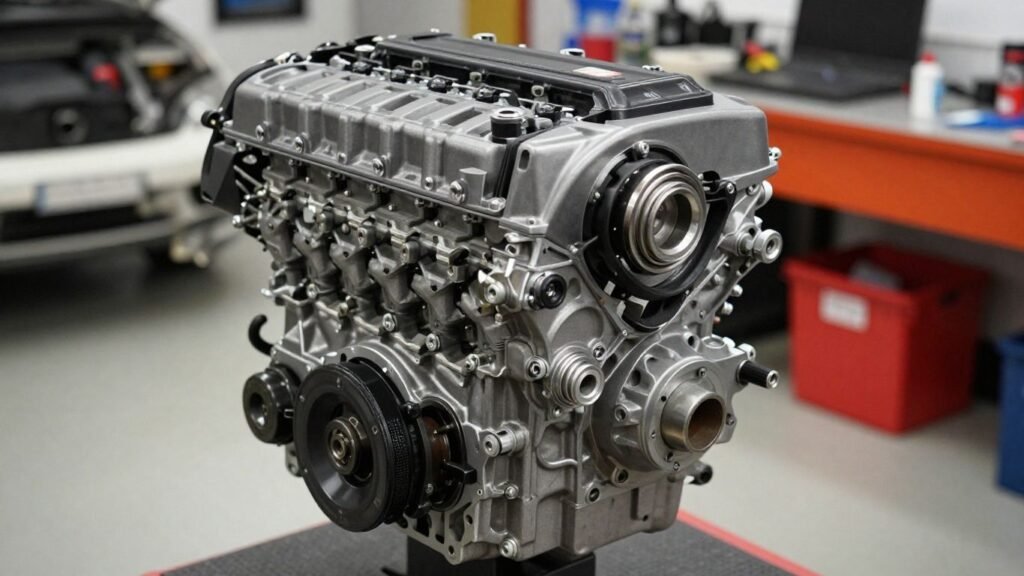
Cleaned Mazda engine part in a warehouse
Blog

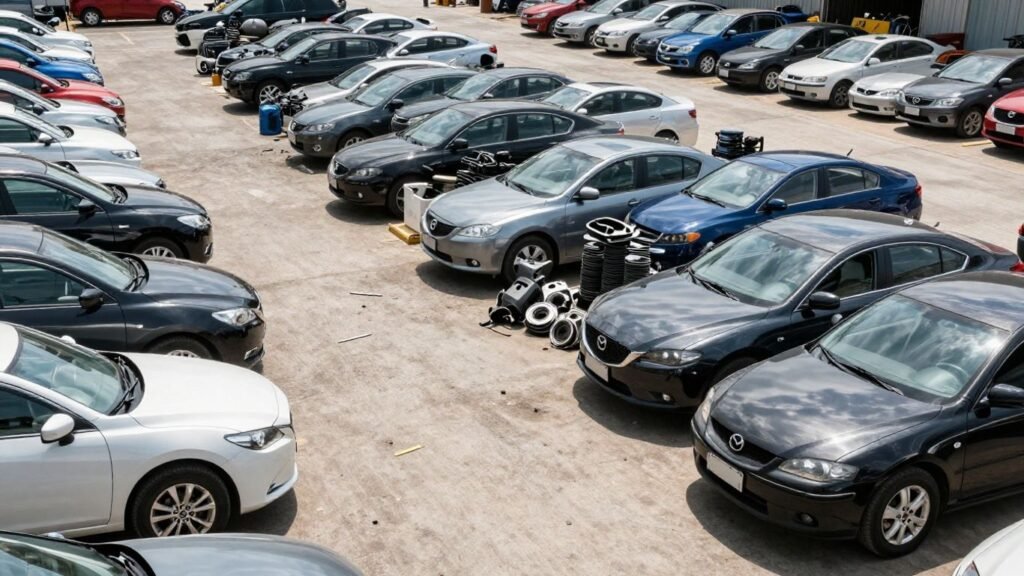
Beyond the Junkyard: Why Mazda Parts from Wreckers Perform Like New

Thinking about fixing up your Mazda but worried about the cost of new parts? It’s a common dilemma. You might be tempted to grab whatever you can find, but what if there was a better way? We’re talking about parts from Mazda wreckers, and surprisingly, they often perform just as well as new ones. Let’s explore why that is and how you can get great value for your car. Key Takeaways Mazda parts from wreckers can perform like new due to rigorous inspection and testing. Wreckers provide access to rare or discontinued parts that are otherwise hard to find. Using recycled Mazda parts offers a more budget-friendly repair option. Professional dismantlers identify and test parts to ensure they fit and work correctly. Choosing recycled parts is an environmentally responsible decision that reduces manufacturing demand. Why Mazda Parts From Wreckers Perform Like New The Rigorous Inspection Process When a Mazda vehicle arrives at a professional wrecking yard, its parts don’t just get pulled out and tossed onto a shelf. Far from it. Each component, from the engine block to the smallest sensor, goes through a detailed inspection. Technicians check for wear, damage, and overall functionality. They’re looking for parts that meet specific performance standards, not just anything that looks okay on the outside. This careful screening means that the parts you get are more likely to be in good working order. Professional Dismantling and Testing Taking apart a car requires skill, especially when you want to salvage usable parts. Professionals at reputable Mazda wreckers know how to carefully remove components without causing further damage. After removal, many parts, like alternators or transmissions, undergo testing. This might involve running them on a test bench or performing diagnostic checks to confirm they operate correctly. It’s this extra step of testing that gives you confidence in the part’s performance. Quality Assurance for Used Components Think of it like this: not all used items are created equal. A professional wrecker has a quality control system in place. They identify parts that have been maintained well or have low mileage. They also know which parts are prone to failure and avoid stocking them. This focus on quality assurance means that when you buy a used Mazda part, you’re getting something that has been vetted for its ability to perform, much like a new part, but at a fraction of the cost. Uncovering Hidden Value in Mazda Wreckers Accessing Rare and Discontinued Parts Finding parts for older Mazda models can sometimes feel like a treasure hunt. Many components are no longer made, and dealerships might not even stock them anymore. This is where Mazda wreckers really shine. They often have a stock of parts for vehicles that are out of production. Think about needing a specific trim piece for a classic Mazda Miata or a particular sensor for an older Mazda 626. These are the kinds of things you’re likely to find at a reputable wrecker. Cost-Effective Repairs for Your Mazda Let’s be honest, car repairs can get expensive fast. Buying brand-new parts, especially from a dealership, can really put a dent in your wallet. Used parts from wreckers offer a much more budget-friendly alternative. You can often get a perfectly good engine, transmission, or even just a headlight assembly for a fraction of the new price. This makes keeping your Mazda on the road much more manageable. Here’s a general idea of potential savings: Part Type New Part Cost (Est.) Used Part Cost (Est.) Savings (Est.) Engine $3,000 – $7,000 $800 – $2,500 Up to 70% Transmission $2,000 – $5,000 $500 – $1,500 Up to 70% Body Panels $300 – $800 $100 – $300 Up to 65% Headlights $150 – $400 $50 – $150 Up to 60% These figures are just estimates, of course. The actual cost depends on the specific part, the condition, and the wrecker. But you get the idea – the savings can be pretty significant. The Financial Benefits of Recycled Mazda Parts Beyond just the immediate savings on a single repair, using recycled Mazda parts has broader financial advantages. For starters, it extends the life of your current vehicle, delaying the need for a costly new car purchase. You’re essentially getting more miles and more years out of your investment. Plus, when you sell your old Mazda to a wrecker, you can often get some cash back, which is always a nice bonus. It’s a way to recoup some of the money you’ve put into the car over the years, rather than just letting it sit and depreciate further. The Advantage of Professional Mazda Part Sourcing Expert Identification of Usable Mazda Components Finding the right part for your Mazda can feel like a treasure hunt, especially when you’re not dealing with brand-new items. That’s where the pros at reputable Mazda wreckers really shine. They’ve got a knack for spotting which components are still in good shape and ready for a second life. It’s not just about pulling a part off a car; it’s about understanding how that part functions and if it has enough life left to be a reliable replacement. They know the common wear points for different Mazda models and can tell at a glance if a part is likely to cause more trouble than it’s worth. Ensuring Perfect Fitment for Your Mazda Getting a part that fits your specific Mazda model and year is a big deal. A part that’s almost right can lead to all sorts of headaches down the road, from installation issues to performance problems. Professional wreckers have systems in place, often digital catalogs or experienced staff, that cross-reference parts with your vehicle’s details. This means you’re much more likely to get something that bolts right up and works as intended, saving you time and frustration. Sometimes, you might think you’ve found the perfect part, only to realize it’s for a slightly different model year or trim level. This can turn a simple repair into a much bigger project, involving modifications or even the need

Mechanic working with Mazda car parts in a junkyard.
Blog

A Day in the Life of Mazda Wreckers: Salvaging and Reselling Parts

Ever wondered what happens to a Mazda after it’s seen better days? It’s not just junked. For Mazda wreckers, it’s the start of a busy day focused on salvaging and giving parts a new life. We’re going behind the scenes to see how it all works. Key Takeaways Mazda wreckers start by taking in vehicles, preparing them for breakdown. They carefully remove usable parts like engines, body panels, and tires. Eco-friendly methods are used, including draining fluids and recycling materials. Salvaged parts are sold to keep repair costs down for owners. Some cars are fixed up and resold, extending their usefulness. A Day in the Life of Mazda Wreckers: Behind the Scenes When a Mazda arrives at our yard, it’s not the end of its story, but the beginning of a new chapter. Our process starts the moment the vehicle is towed in. We don’t just see a pile of metal; we see potential. The first step is a thorough inspection to figure out what’s salvageable. Some cars are in surprisingly good shape, needing only minor fixes before they can be offered for resale. Others are brought in specifically for their parts. From Driveway to Dismantling: The Initial Intake Every vehicle that comes through our gates has a history, and our job is to assess that history quickly. We check the VIN, look over the general condition, and make a note of any obvious damage or missing pieces. This initial assessment helps us decide the best path forward for each car – whether it’s a candidate for a quick refurbish or destined for parts harvesting. It’s a bit like a doctor giving a patient a preliminary check-up before deciding on a treatment plan. Identifying Usable Components This is where the real detective work begins. Our experienced team knows Mazdas inside and out. They can spot a perfectly good alternator or a set of undamaged headlights from across the yard. We look for parts that meet our quality standards, meaning they’re functional and have plenty of life left. It’s not just about pulling parts; it’s about identifying the right parts that someone will actually need and that will perform reliably. The Art of Careful Part Removal Once a part is identified as usable, the careful extraction process begins. This isn’t a job for a sledgehammer. We use specialized tools to remove components like engines, transmissions, doors, and even intricate electronics without causing further damage. Precision is key here, as even a small nick can render a part unusable. We treat each car with respect, understanding that its components are destined for another Mazda, potentially saving another owner a lot of money and hassle. Salvaging Precious Mazda Components Once a Mazda makes its way to the wrecking yard, the real work of salvaging begins. It’s not just about tossing parts aside; it’s a careful process to pull out anything that still has some life left in it. We’re talking about the bits and pieces that can save someone else a lot of money on repairs. Engines and Transmissions: Rebuilding for Resale These are the big ticket items, for sure. When an engine or transmission comes out, we give it a good look-over. If it seems solid, we might do some basic checks, maybe swap out a worn seal or two. The goal is to get these major components ready for a second life, often saving owners thousands compared to buying new. It’s pretty satisfying to know a good engine can keep another Mazda running smoothly on the road. Body Panels and Glass: Restoring Aesthetics Got a dented fender or a cracked window? We’ve got you covered. Body panels like doors, hoods, and fenders are often in decent shape, even on cars that have seen better days. We’ll remove them carefully, check for rust or major damage, and get them cleaned up. Same goes for windows and mirrors. It’s amazing how a good used door can make a car look whole again. Tires and Rims: Giving Wheels a Second Chance Even if the tires themselves are worn out, the rims they’re attached to might be perfectly fine. We’ll often separate the tires from the rims. The rims get cleaned and inspected for bends or cracks. Good used tires, even with some miles left, can be a lifesaver for someone who needs to get their car inspected or just needs a temporary replacement. It’s all about providing affordable options. Eco-Friendly Practices in Mazda Wrecking Responsible Fluid Drainage When a Mazda comes to our yard, the first thing we do is handle all the fluids. Think oil, coolant, brake fluid – the stuff that can really mess up the ground if it leaks out. We drain it all carefully into special containers. This stops any contamination of the soil or water. It’s a pretty straightforward process, but it’s super important for keeping the environment clean. We have specific procedures for each type of fluid to make sure it’s disposed of or recycled properly. Recycling Metals and Plastics After the fluids are out and the usable parts are salvaged, we’re left with the car’s shell and other bits. Most of this is metal, like steel and aluminum, and some plastic. These materials get sorted and sent off to be recycled. The metal can be melted down and used to make new car parts, appliances, or even building materials. It’s amazing how much of an old car can get a new life this way. We try to separate as much as possible to make the recycling process more efficient. Minimizing Environmental Impact Our whole operation is geared towards reducing waste and pollution. By salvaging parts, we help keep repair costs down for other Mazda owners and stop perfectly good components from ending up in a landfill. Even the stuff that can’t be reused gets processed responsibly. We aim to give every vehicle that comes through our yard a second chance, whether it’s through reselling parts, refurbishing a whole car, or recycling its materials. It’s about making

Person and Mazda at sunset, emotional goodbye.
Blog

The Emotional Journey of Saying Goodbye to a Mazda: More Than Just a Car

It’s more than just metal and wheels, isn’t it? That car you’ve driven for years, through thick and thin, becomes a silent witness to your life. Saying goodbye to a Mazda, especially one that’s been with you through significant moments, can feel like a genuine farewell to a companion. It’s a whole emotional journey, from the first drive to the last. This piece explores that unique bond and the feelings that come with letting go. Key Takeaways A car, like a Mazda, can evolve from a mere machine into a trusted companion, holding a special place in our lives. The miles driven in a car are often tied to significant life events, acting as a backdrop for personal growth and milestones. Letting go of a long-term vehicle can bring about feelings of sadness and difficulty, acknowledging the end of a chapter. Moving on from a familiar car often involves embracing new opportunities and finding a suitable partner for future adventures. The emotional journey of saying goodbye to a Mazda is deeply personal, marked by cherished memories and the legacy of shared experiences. The Enduring Bond: More Than Just Metal Recognizing the Car as a Companion It’s easy to dismiss a car as just a collection of metal, plastic, and rubber. But for many of us, our vehicles become something more. They’re the silent witnesses to our lives, the reliable steeds that carry us through daily commutes and epic road trips alike. Over time, the miles logged and the experiences shared weave a connection that goes beyond mere utility. You start to recognize its quirks, its sounds, even the way it handles a certain curve. It’s not just a machine; it’s a partner in your journey. The Unspoken Connection There’s a certain understanding that develops between a driver and their car. You learn its rhythms, its subtle cues. That little rattle that only appears on cold mornings, the way the engine hums a bit differently when it’s thirsty for gas – these become familiar, almost comforting, signs. This intimate knowledge creates an unspoken bond, a silent dialogue between you and your four-wheeled companion. It’s a relationship built on shared time and countless miles, a testament to the role it plays in our lives. Beyond Inanimate Object When you’ve relied on your car through thick and thin, it’s hard to see it as just an inanimate object. It’s been there for job interviews, first dates, and late-night drives to clear your head. It’s seen you at your best and perhaps your worst, always ready to go when you are. This consistent presence and reliability transform it from a mere tool into something akin to a steadfast friend. It’s a feeling that’s difficult to articulate to someone who hasn’t experienced it, but for those who have, the sentiment is undeniable. Milestones Marked by Miles Adventures and Coming of Age Cars aren’t just machines; they’re often the silent witnesses to our most formative years. My old Mazda, for instance, was there for so many of those ‘growing up’ moments. It was the vehicle that took me on those spontaneous road trips with friends, the ones where we’d just drive with no real destination, fueled by cheap snacks and loud music. It saw me through my first real job, the nervous commutes, and the celebrations after landing it. These miles weren’t just about getting from point A to point B; they were about the journey of becoming. Navigating Life’s Transitions Life throws curveballs, and often, our cars are right there with us. I remember using my Mazda to move apartments more times than I care to count, hauling boxes and furniture that barely fit. It was the car I drove when I got the news about grad school, and the one that carried me to my first real interview out of state. Even the tough times, like breakups or career setbacks, were often processed during drives, the familiar hum of the engine a strange sort of comfort. The car became a sort of mobile sanctuary, a place where I could think, cry, or just be, away from the pressures of everyday life. It absorbed a lot of my early adult anxieties and triumphs. The Car as a Witness to Growth Looking back, it’s wild to think about how much happened while I was behind the wheel. From cruising down familiar streets to exploring new towns, each trip added a layer to my personal story. It’s funny how you can track your own development by the places you went and the things you did with your car. It’s more than just metal and plastic; it’s a rolling archive of who you were and how you got to where you are now. The Weight of Farewell Acknowledging the Sadness of Departure It’s funny how attached you can get to a car. It’s not just a hunk of metal and plastic, is it? When it’s time to say goodbye, there’s a genuine pang of sadness. You look at it, maybe for the last time before it goes off to its new owner, and you remember all the trips, the late-night drives, the times it got you home safe. It’s like saying farewell to a reliable friend who’s always been there, no questions asked. That feeling is totally normal, even if some people don’t quite get it. The Difficulty of Letting Go Letting go can be tough, especially when the car has been a part of your life for so long. It’s seen you through so much. Maybe it was your first car, the one that gave you that first taste of freedom and independence. Or perhaps it was the car you relied on during big life changes, like moving to a new city or starting a new job. It’s hard to hand over the keys when so many memories are tied up in that steering wheel and those worn seats. You start to wonder if you’re making the right decision, even when you know it’s time. The

Mechanic working on Mazda car engine in workshop
Blog

Mazda Wreckers: The Mechanic’s Secret Weapon for Affordable Repairs

So, your car’s making some weird noises, or maybe a part just decided to call it quits. It happens. Most of us immediately think of the dealership or the local repair shop, picturing big bills. But what if there was a smarter way to get your Mazda back in shape without emptying your wallet? Turns out, there’s a whole world of pre-owned parts out there, and mechanics in the know are already using it to their advantage. It’s all about knowing where to look and what to ask for. Key Takeaways Mazda wreckers offer a cost-effective alternative to new parts, significantly reducing repair expenses. Salvage yards provide access to a wide range of components, including those that are hard to find. Mechanics often inspect and test used parts, and some even come with warranties, adding a layer of trust. Beyond engines, wreckers stock various parts like body panels, interior trim, and suspension components. Choosing Mazda wreckers supports environmental sustainability by recycling and repurposing vehicle parts. Why Mazda Wreckers Are Every Mechanic’s Secret The Allure of Pre-Owned Parts Mechanics often find themselves in a bind when a customer’s Mazda needs a specific part. New parts can be pricey, and sometimes, they’re just not available for older models. That’s where Mazda wreckers, also known as salvage yards, come in. They’re like treasure chests for car parts. Instead of ordering a brand-new alternator that might cost you $400, a mechanic can often pull a perfectly good used one from a dismantled Mazda for a fraction of that price. This immediate access to a vast inventory of used components is a game-changer for keeping repair costs down. It’s not just about saving money, though. Sometimes, the original parts are simply better made than aftermarket replacements, especially for certain components. Finding these gems means the car gets fixed with parts that were originally designed for it, which can lead to better performance and longevity. Cost-Effective Solutions for Common Issues Many common Mazda issues, like a failing AC compressor or a worn-out starter motor, can be fixed much more affordably by using parts from a wrecker. Imagine a customer’s Mazda 3 needs a new radiator. A new one could easily set them back $300-$500 plus labor. However, a mechanic might be able to source a tested, used radiator from a salvage yard for $75-$150. This huge price difference makes repairs accessible for more people. It means a car that might otherwise be deemed too expensive to fix can be brought back to life. This is especially true for older models where the cost of new parts can quickly exceed the car’s market value. Using salvaged parts allows mechanics to offer realistic repair solutions that fit a customer’s budget, keeping more cars on the road. Reliability Beyond Expectations There’s a common misconception that used parts are inherently unreliable. However, reputable Mazda wreckers put their parts through rigorous testing. They’ll often check for wear, damage, and proper function before even putting a part on the shelf. A mechanic knows this. They understand that a tested engine component or a carefully inspected transmission from a salvage yard can be just as reliable, if not more so, than a cheap aftermarket part. It’s about knowing where to look and trusting the source. When a mechanic can confidently install a used part that performs well and comes with a warranty, it builds trust with the customer and ensures the repair is done right the first time. It’s a smart way to get quality without the premium price tag. Unlocking Savings with Mazda Wreckers Reducing Repair Bills Significantly When your Mazda needs a part, the dealership or a standard repair shop can hit you with some pretty steep prices, especially for older models. That’s where wreckers really shine. They offer a way to get the components you need without emptying your wallet. Think about it: a used transmission might cost a fraction of a new one, and often, it’s still in great shape. This makes keeping your Mazda on the road much more affordable. You can save thousands compared to buying brand new parts, which really adds up over time. Accessing Hard-to-Find Components Sometimes, you’re looking for a specific part for a classic Mazda, or maybe something that’s just not made anymore. Dealerships might not stock it, or they might tell you it’s discontinued. This is a common headache for mechanics. Mazda wreckers, however, are like treasure troves for these rare finds. They dismantle many different models, so the chances of finding that obscure trim piece, a specific engine sensor, or even a complete dashboard from a particular year are much higher. It means you can often complete a repair that would otherwise be impossible or incredibly expensive. Faster Turnaround Times Waiting for parts can be a real drag, leaving your car stuck in the shop. When a mechanic can source a needed component from a local Mazda wrecker, they can often get it the same day or the next. This drastically cuts down on the time your car spends off the road. Instead of waiting days or even weeks for a part to be ordered and shipped, a quick trip to a salvage yard means the repair can proceed much faster. This is a huge win for both the mechanic and the customer, getting you back behind the wheel sooner. The Mechanic’s Advantage: Sourcing Quality Used Parts Expert Inspection and Testing Mechanics know that not all used parts are created equal. When a shop sources components from a Mazda wrecker, they’re not just grabbing the first thing they see. They’re relying on the yard’s reputation and, more importantly, their own trained eyes. A good mechanic will often inspect a used part thoroughly before it even leaves the salvage yard. This means checking for cracks, wear, corrosion, and any signs of previous damage that might not be immediately obvious. They’ll often test components like alternators or starters on the spot if the yard has the capability, or at least ensure they

Scroll to Top