
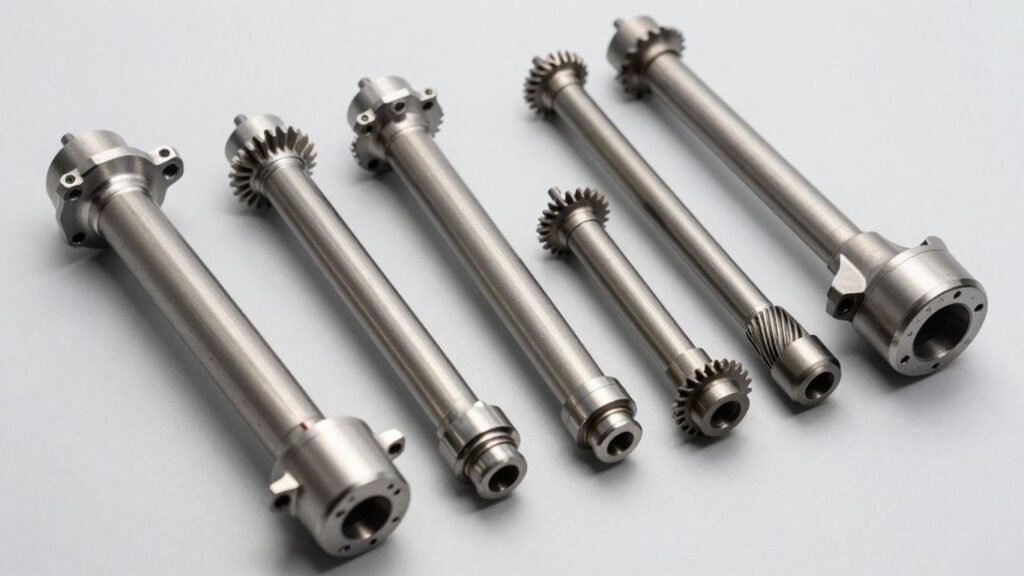
If you’re driving a Mazda and live around Blacktown, you might be wondering where to find good used differentials. It’s not always easy to know where to look, especially when you need a specific part for your vehicle. This guide is here to help you figure out the best places to find used Mazda differentials Blacktown, and what to look out for.
Key Takeaways
- Buying used Mazda differentials in Blacktown can be a smart move to save money compared to new parts.
- Local suppliers in Blacktown often have a better understanding of the specific needs of drivers in the area.
- Listen for unusual noises, check tyre wear, and feel for handling changes to spot potential differential problems.
- Sometimes a simple repair is enough, but other times a full replacement or reconditioning might be needed.
- Reputable suppliers will often provide quality exchange units and have good reviews from past customers.
Finding Quality Used Mazda Differentials in Blacktown
Why Choose Used Mazda Differentials?
When your Mazda’s differential starts acting up, you’ve got a few paths to consider. Buying a brand-new differential can put a serious dent in your wallet. That’s where opting for a quality used differential comes into play. It’s a smart way to get your vehicle back in top shape without breaking the bank. Used parts often provide a fantastic balance between cost and reliability. You’re essentially getting a functional component that has already proven its worth, but at a fraction of the new price. It’s a practical choice for many car owners looking to manage repair expenses.
Benefits of Sourcing Locally in Blacktown
Looking for parts right here in Blacktown makes the whole process much smoother. You can often connect directly with local suppliers, which means quicker access to the parts you need. Plus, dealing with businesses in your community can sometimes lead to better customer service and support. If there’s an issue, it’s usually easier to sort things out when you’re not dealing with a company miles away. It cuts down on shipping times and potential headaches.
Understanding Differential Functionality
So, what exactly does a differential do? Think of it as the part that lets your wheels turn at different speeds, especially when you’re going around a corner. Without it, your car would struggle to steer smoothly, and you’d likely notice some jerky movements. It’s a key component in your vehicle’s drivetrain, sending power from the engine to the wheels while allowing them to rotate independently. This is super important for safe and comfortable driving, particularly during turns.
The differential is a vital part of your car’s drive system. It’s responsible for transferring engine power to the wheels and, importantly, allows those wheels to spin at different rates when needed, like when you’re turning. This prevents strain on the drivetrain and ensures your vehicle handles predictably.
Identifying Signs of Differential Issues
Your car’s differential might not be something you think about every day, but when it starts acting up, you’ll definitely notice. It’s a pretty important piece of the puzzle that helps your wheels turn at different speeds, especially when you’re going around corners. If this system isn’t working right, it can cause a few different problems that are hard to ignore. Paying attention to these signs can save you a lot of hassle and money down the road.
Unusual Noises from the Differential
One of the first things people often pick up on is a strange sound coming from the rear or front of the car, depending on your Mazda’s setup. This could be a whining noise that gets louder as you speed up, or sometimes it’s more of a grinding or clunking sound, particularly when you’re changing gears or accelerating. These noises usually mean the gears inside the differential aren’t getting enough lubrication, or they might be worn out and starting to rub against each other. It’s like hearing your car complain, and it’s usually a pretty clear signal that something needs a look.
Uneven Tyre Wear Patterns
Take a look at your tyres. Are they wearing down evenly across the tread, or is one side looking more worn than the other? Uneven tyre wear is a classic symptom of a differential problem. When the differential isn’t allowing the wheels to spin at their correct, different speeds during turns, one tyre might be forced to drag or spin faster than it should. Over time, this puts extra stress on the tyre, causing it to wear out prematurely and unevenly. It’s a visual cue that your car’s drivetrain isn’t quite in sync.
Compromised Vehicle Handling
Your differential plays a big role in how your Mazda handles, making sure the ride is smooth and predictable, especially when you’re turning. If you start to feel like your car isn’t steering quite right, or it feels a bit sluggish or unstable when you take a corner, your differential could be the culprit. It might feel like the car is pulling to one side, or you might notice a slight judder or resistance when you try to turn. This is because the wheels aren’t cooperating as they should, affecting the overall control you have.
Vibrations During Acceleration
Another common sign is feeling vibrations through the car, particularly when you’re accelerating. This often comes from the driveshaft and can be felt in the floor or the steering wheel. These vibrations can happen if there’s wear in the differential’s joints or gears. As power is sent to the wheels, any looseness or damage within the differential system can cause it to shake or shudder. It’s a physical sensation that tells you something isn’t running smoothly under the hood.
It’s easy to dismiss strange noises or slight changes in how your car feels, especially if you’re used to driving it every day. However, these subtle signs are your car’s way of telling you it needs attention. Ignoring them could lead to more serious damage and a much bigger repair bill later on. Getting a professional to check it out sooner rather than later is usually the smartest move.
Navigating Differential Repair and Replacement Options
So, your Mazda’s differential is making some funny noises, or maybe your tyres are wearing out faster than they should. It happens. When you start noticing these things, it’s time to think about what to do next. You’ve got a couple of main paths: fixing what’s there or swapping it out for something new (or new-to-you).
When Minor Repairs Suffice
Sometimes, the problem isn’t as big as it sounds. A common issue might be a leaky seal or gasket. If the differential fluid is escaping, it can cause all sorts of problems, from noise to poor handling. Often, a mechanic can just replace the faulty seal and top up the fluid. This is usually a quicker and less expensive fix. It’s like patching a small hole in a tire instead of buying a whole new one. These kinds of repairs typically don’t involve taking the whole differential unit out of the car, which saves a lot of labour time and cost.
It’s always worth getting a professional opinion before deciding on a repair. Sometimes what seems like a small issue can be a sign of something bigger brewing, and ignoring it could lead to more costly problems down the road.
The Necessity of Full Differential Replacement
Other times, the differential is just too far gone. If the gears inside are badly worn or broken, or if a bearing has failed completely, a simple repair might not cut it. In these cases, you’re looking at replacing the entire unit. This is a much bigger job. It involves removing the old differential, installing a new or reconditioned one, and then refilling it with the correct fluid. This is where getting a quality used or reconditioned unit, like those available in Blacktown, can save you a significant amount of money compared to buying brand new.
| Repair Type | Estimated Cost Range | Complexity |
|---|---|---|
| Seal Replacement & Fluid | $300 – $750 | Low |
| Full Unit Replacement | $1,500 – $3,000+ | High |
Understanding Differential Reconditioning
Reconditioning, or rebuilding, a differential is a middle ground between a minor repair and a full replacement with a new part. It involves taking a used differential, stripping it down, inspecting all the parts, replacing any worn or damaged components (like gears and bearings), and then putting it all back together. These reconditioned units are then tested to make sure they work properly. They can be a great option because they offer the reliability of a rebuilt unit at a lower cost than a brand-new one. Many specialists in Blacktown will have a stock of these reconditioned differentials ready to go.
Specialised Services for Mazda Differentials
Expertise in Differential Systems
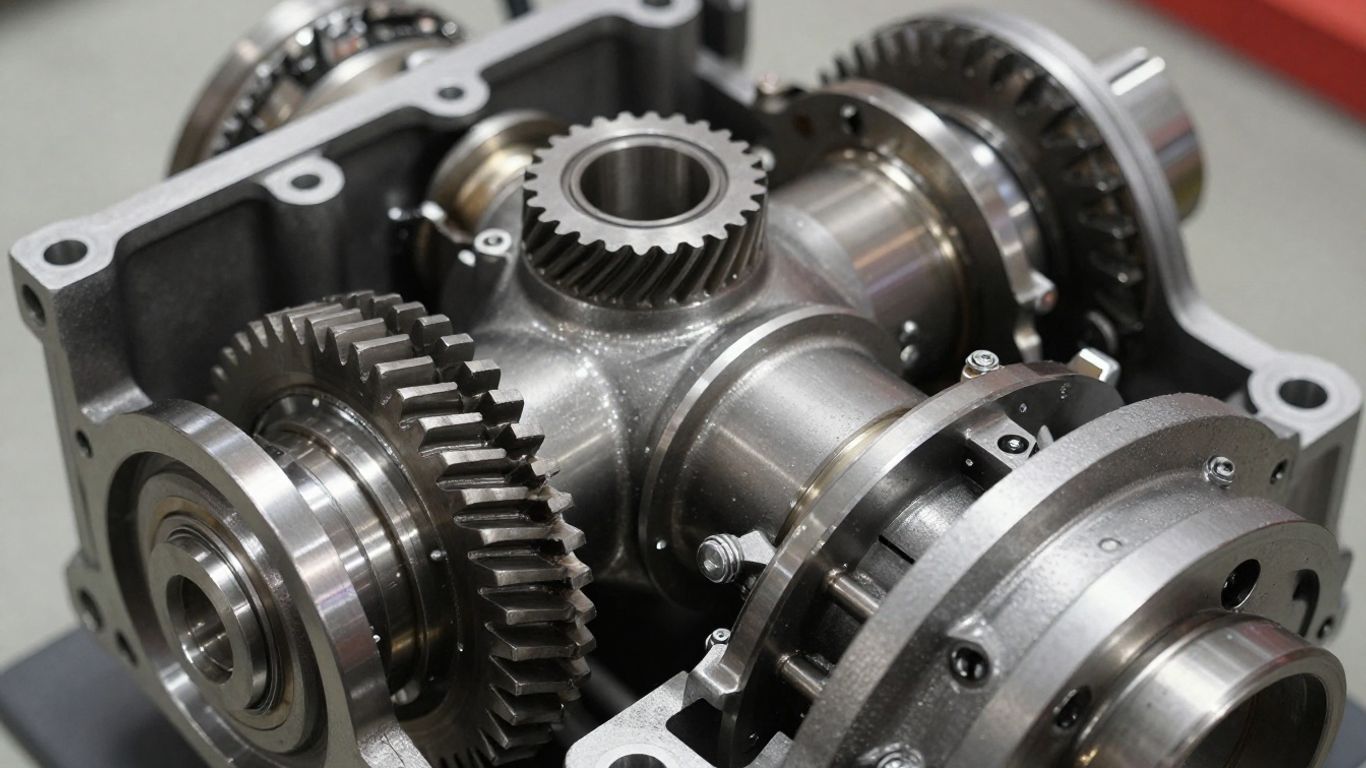
When it comes to your Mazda’s differential, not just any mechanic will do. These are complex parts of your drivetrain, and they need someone who really knows their way around them. Finding a workshop that focuses on differential systems means they understand the intricate gears, bearings, and seals that make your car move smoothly. They’re the folks who can tell a minor leak from a major internal failure just by listening to a strange noise or looking at how your tyres are wearing.
Specialists in Differential Conversions
Sometimes, you might be looking to change your vehicle’s setup, maybe for off-roading or a specific performance need. This is where differential conversions come in. A specialist can help you swap out your existing differential for one that better suits your goals, whether that’s adding a limited-slip differential for better traction or changing the gear ratio for different driving conditions. It’s not a simple bolt-on job; it requires a deep knowledge of how different differential types interact with your Mazda’s transmission and suspension.
Importance of Experienced Technicians
Think about it like this: you wouldn’t ask a general practitioner to perform heart surgery, right? The same applies to car repairs. Differential work requires a specific skill set. Experienced technicians have seen it all – the common issues, the rare problems, and everything in between. They know the shortcuts that actually work and, more importantly, the ones to avoid. This experience translates into quicker diagnoses, more accurate repairs, and ultimately, a more reliable fix for your Mazda.
Working with a specialist means you’re less likely to face repeat problems or unexpected issues down the line. They have the tools, the knowledge, and the practice to get the job done right the first time, saving you time and money in the long run.
Here’s a quick look at what you might expect regarding costs for different types of differential services:
| Service Type | Estimated Cost Range | Notes |
|---|---|---|
| Fluid Change & Adjustment | $300 – $750 | Simpler job, depends on vehicle type |
| Minor Repairs (e.g., seals) | $500 – $1200 | Varies based on part and labour |
| Full Replacement (Used) | $1500 – $3000 | Includes unit cost and labour |
| Full Replacement (New) | $3000+ | Generally the most expensive option |
Cost Considerations for Differential Services
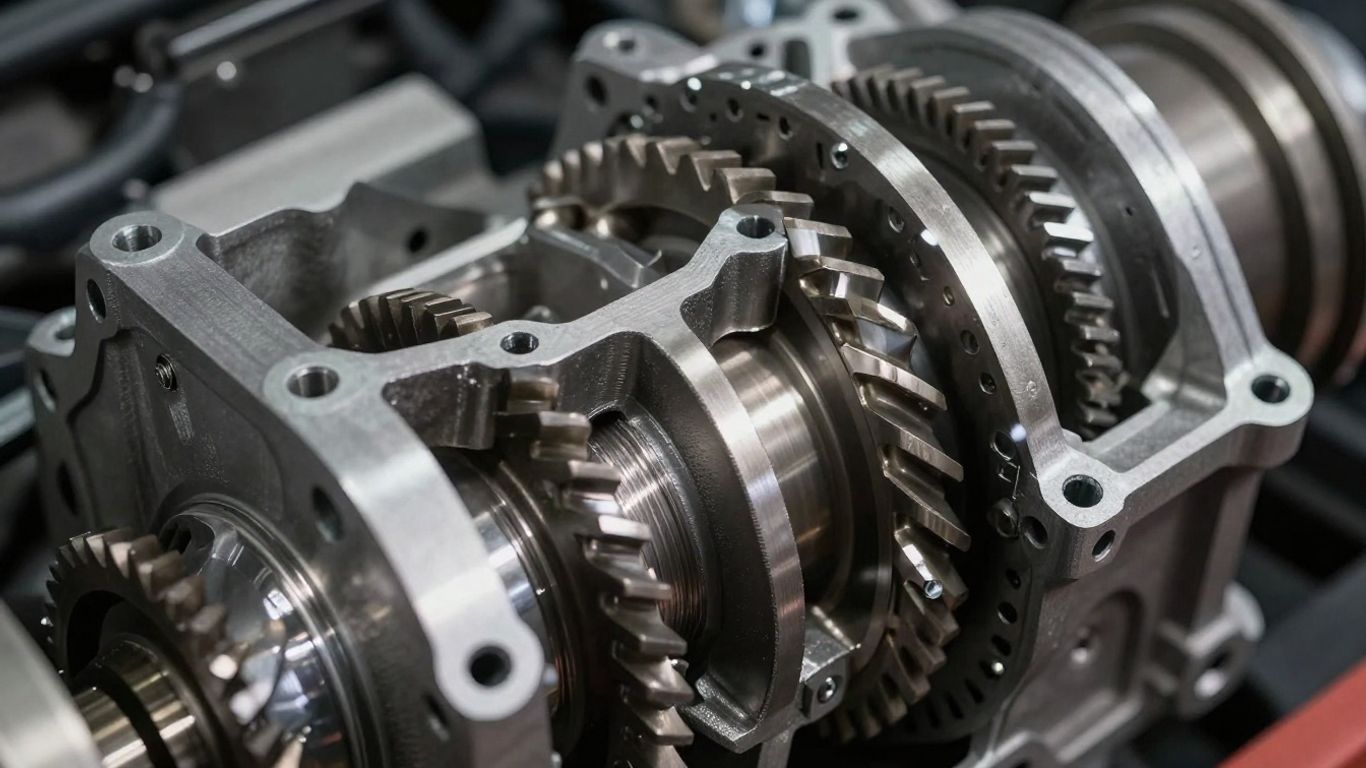
When it comes to getting your Mazda differential sorted out, the price tag can really swing depending on what’s actually wrong. It’s not a one-size-fits-all situation, that’s for sure. You’ve got everything from a simple fluid change to a full-blown replacement, and each comes with its own set of costs.
Factors Influencing Repair Costs
Minor issues, like a leaky seal or needing a fluid top-up, are usually the most budget-friendly. Think of it like changing the oil in your engine; it’s a routine maintenance task. A mechanic might just need to replace a gasket or top off the fluid, which generally doesn’t take too long. For these kinds of fixes, you might be looking at a few hundred dollars, maybe $300 to $750, depending on the shop and your specific Mazda model. It’s way less stressful on the wallet than a major overhaul.
The Expense of Differential Replacement
Now, if the gears inside are shot, or a bearing has given up the ghost, you’re probably looking at a full replacement. This is where the costs really start to climb. Replacing a whole differential unit is a big job. Even if you opt for a reconditioned or exchange unit, which is a smart way to save some money compared to brand new, you’re still talking about a significant investment. It’s not uncommon for this kind of repair to set you back anywhere from $1,500 to $3,000, sometimes even more. The complexity of the differential system and the cost of quality replacement parts are the main drivers here.
Budgeting for Fluid Changes and Adjustments
It’s always a good idea to factor in regular maintenance for your differential. Changing the differential fluid periodically, much like your engine oil, can prevent a lot of bigger, more expensive problems down the line. While it might seem like a small expense now, maybe in the $100-$200 range for just the fluid and labour, it can save you thousands in potential repairs later. It’s a bit like preventative medicine for your car’s drivetrain.
Sometimes, a strange noise or a bit of rough handling isn’t the end of the world. A good mechanic can often pinpoint a minor issue and fix it without needing to pull the whole differential out. This can save you a lot of time and money compared to a full replacement. Always get a clear diagnosis before agreeing to major work.
Here’s a rough idea of what you might expect:
| Service Type | Estimated Cost Range |
|---|---|
| Differential Fluid Change | $100 – $250 |
| Seal Replacement | $300 – $600 |
| Minor Gear Adjustment | $300 – $750 |
| Full Differential Replacement | $1,500 – $3,000+ |
Keep in mind these are just estimates, and prices can vary a lot based on the specific Mazda model, the parts needed, and the labour rates in Blacktown.
Locating Reputable Suppliers for Used Mazda Differentials
The Advantage of Local Blacktown Suppliers
When you’re on the hunt for a used Mazda differential, sticking close to home in Blacktown can really pay off. Think about it – fewer shipping costs, quicker turnaround times, and the chance to actually see the part before you buy it. Plus, local businesses often have a better understanding of the specific needs of drivers in the area. It just makes the whole process a lot less of a headache.
Checking for Quality Exchange Units
Many places that sell used differentials will have what are called ‘exchange units’. These are basically rebuilt differentials that have been gone over by mechanics and brought back to good working order. It’s a smart way to get a reliable part without the brand-new price tag. Always ask about the warranty on these exchange units; it’s your best protection.
| Type of Unit | Typical Cost Range (AUD) | Warranty Period | Notes |
|---|---|---|---|
| Used (As-Is) | $200 – $600 | None to 30 days | Condition varies greatly. Inspect thoroughly. |
| Reconditioned/Exchange | $500 – $1,500 | 6 months to 1 year | Professionally rebuilt, often with a decent warranty. |
| New (OEM) | $1,500 – $3,000+ | 1 year + | Most expensive, but highest reliability and longest warranty. |
Prioritising Service Reviews and Experience
Don’t just grab the first differential you find. Take a few minutes to look up reviews for the suppliers you’re considering. See what other customers are saying about their experience. Did they get good advice? Was the part delivered on time and as described? A supplier with a solid reputation and a history of good service is usually a safe bet. It’s worth spending a little extra time to find someone you can trust.
Finding the right used differential isn’t just about the price. It’s about getting a part that’s going to last and a supplier who stands behind their product. A little bit of research now can save you a lot of trouble down the road, especially when it comes to something as important as your car’s drivetrain.
Wrapping Up Your Search for a Mazda Differential
So, if you’re in Blacktown and your Mazda’s differential is acting up, don’t sweat it too much. Finding a replacement or getting it fixed doesn’t have to be a huge headache. There are specialists out there who know their stuff when it comes to these parts. Whether you need a simple fix or a whole new unit, looking for a place that really focuses on differentials is the way to go. It’ll save you time and probably some money in the long run, getting your Mazda back on the road smoothly.