
Key Takeaways
Finding the right power unit for your vehicle requires careful planning and localized research to ensure long-term reliability and budget control throughout the replacement process.
- Assess internal engine wear and maintenance history before committing to any purchase.
- Prioritize sellers who provide transparent compression test data and clear service documentation.
- Verify electronic component compatibility between the donor engine and your specific chassis code.
- Choose between local transport solutions or professional freight services based on your workshop setup.
- Confirm all warranty terms and installation requirements in writing before the engine arrives on-site.
Evaluating the condition of used Mazda engines
When sourcing replacement parts from local automotive suppliers, the health of the engine block is paramount to a successful rebuild. You must look past cosmetic cleanliness to evaluate the internal mechanical integrity of the motor. A thorough process involves examining both high-mileage stress points and the overall history of fluid maintenance within the unit.
Inspecting high-mileage engine blocks for wear
High-mileage components require a careful visual survey to identify signs of thermal stress. Look for oxidized metal surfaces that suggest previous overheating incidents, as these conditions often lead to warped cylinder heads and compromised valve seals.
Verifying compression test results from the supplier
Ask the supplier for a printed compression report prior to finalizing your payment. Consistent readings across all cylinders ensure that the pistons and rings remain within factory tolerances, providing a reliable indicator of compression performance for any upcoming installation.
Checking for internal sludge buildup and oil leaks
Removing the valve cover provides an immediate view of the internal cleanliness of the engine. Heavy sludge deposits often signal missed oil changes, which can quickly accelerate wear on critical bearings and camshaft components during standard operation.
Assessing the physical integrity of cooling system components
Corrosion near the water pump housing often suggests that the cooling system was historically neglected or filled with incorrect coolant types. Inspect all aluminum interfaces for pitting, as these areas are prone to failures that can cause coolant leaks after the engine is installed.
Determining compatibility with your specific Mazda model
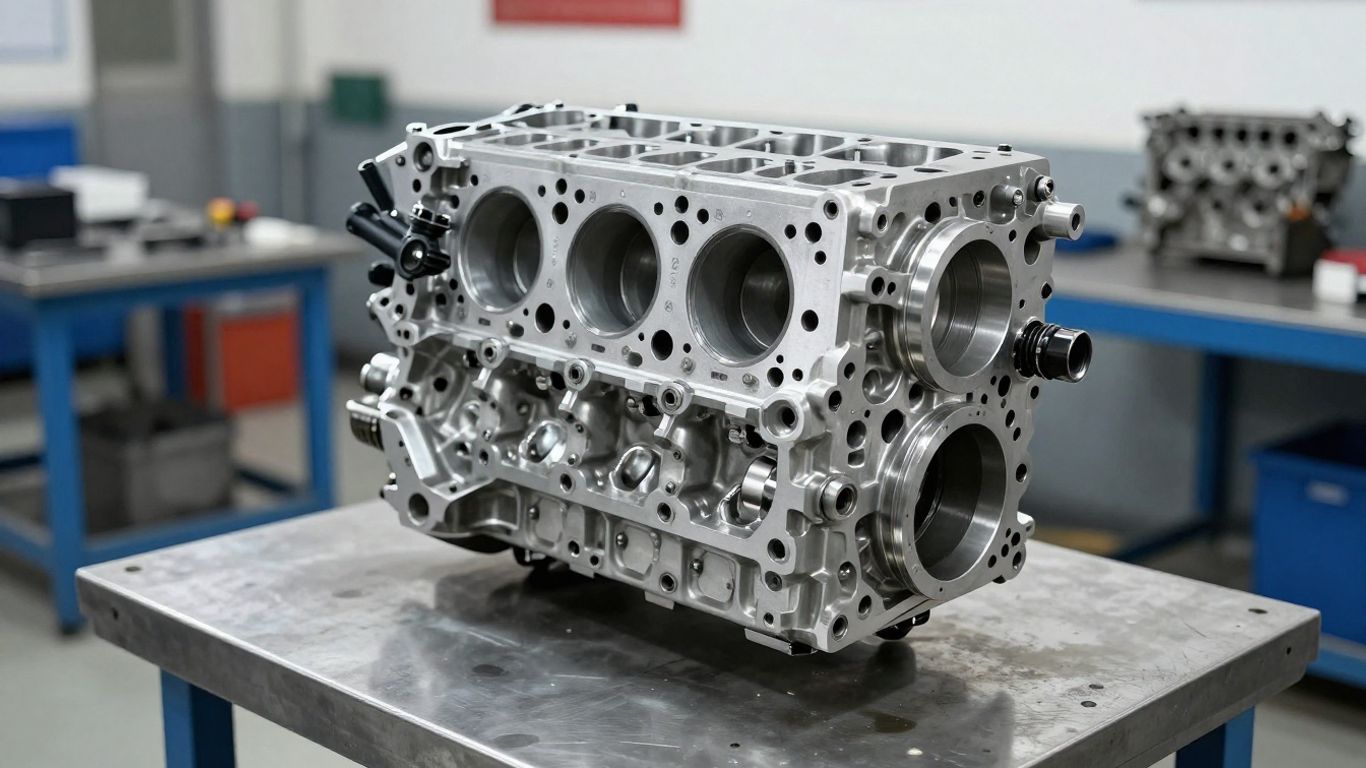
Vehicle configurations often shift mid-production, making it essential to cross-reference donor components against your existing setup. Relying on basic model names is frequently insufficient for modern vehicles that integrate sophisticated systems like the Mazda CX-70. Using the VIN ensures that the auxiliary systems and mountings align correctly with your chassis hardware.
Matching engine codes accurately to your vehicle identification number
Engine codes are typically stamped directly into the engine block or found on a metal tag attached to the timing cover. Cross-referencing this specific code against your VIN prevents the common issue of receiving a unit meant for a different regional market.
Distinguishing between automatic and manual transmission variants
Flexplate and flywheel bolt patterns vary significantly based on the transmission type attached to the engine at the factory. Inspecting the crankshaft end ensures that your existing transmission will bolt up without requiring expensive modifications or custom machining.
Ensuring electronic control unit and harness compatibility
Modern engines depend on complex wiring harnesses and specific ECU versions to operate ignition timing and fuel delivery. Verify that the harness connectors on your prospective engine match the existing plugs in your engine bay to avoid time-consuming electrical pin-outs.
Identifying year-specific sensor variation and hardware changes
Sensors for mass airflow, oxygen monitoring, and coolant temperature frequently evolve within single model generations. Note that a Mazda CX-70 engine incorporates specific sensor arrays designed to support broad internal electrical communication that might differ in older or base models.
Sourcing inventory from Mandurah automotive wreckers
Successful sourcing relies on building a relationship with a local yard that maintains organized, documented inventory. Finding the right Used Mazda engines Mandurah – local pickup or delivery requires a systematic approach to weeding out poor-quality salvage components through proactive research.
Prioritizing local wreckers with verified Mazda-specific inventory
Focus your search on yards that specialize in specific Japanese marques. These shops typically maintain more accurate records and possess the technical knowledge necessary to verify if a specific engine variant belongs to a compatible model year.
Evaluating the documentation history of salvage engines
Ask for the donor vehicle’s history, including mileage and previous accident reports if they are available. Reliable wreckers will track the source of their salvage, providing clarity on how the vehicle was maintained before it entered the yard.
Testing the transparency of local wrecking yard grading systems
Most reputable yards operate on a strict grading scale that reflects the mileage and condition of the engine. Observe whether the staff can explain the grading criteria clearly, such as the specific tests performed on alternators or starter motors attached to the block.
Scheduling on-site visits for personal component inspection
Even with detailed photos, visiting the yard is the best way to verify the condition of the engine physically. Walk through the facility and observe the storage conditions, ensuring the engine has been kept away from moisture and harsh environmental hazards.
Logistics: local pickup vs. professional delivery
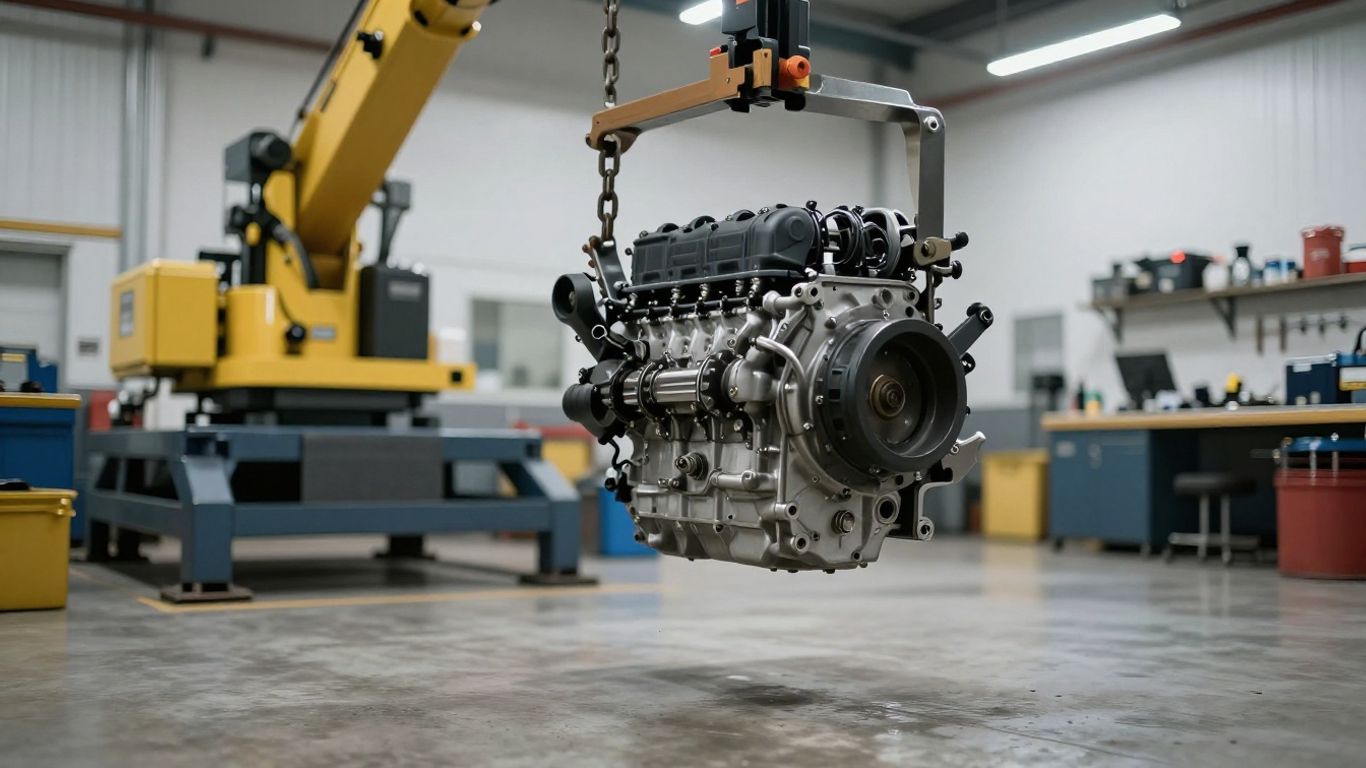
Moving an engine block requires specialized equipment to prevent structural damage to the mounting points or sensitive electronic sensors. Most professional workshops utilize lifting chains and reinforced platforms to keep individual engine blocks stable during transport.
Planning specialized transport for heavy engine blocks
Securing the engine to a pallet or a dedicated engine stand is standard practice for regional transit. Ensure your transport vehicle has adequate weight capacity and that you have the necessary lifting gear upon arrival to avoid physical injury during the transfer.
Calculating the true cost of freight and courier services
Professional delivery saves significant effort but creates a measurable impact on your total project budget. Consider the convenience of direct workshop delivery against the requirement of having a two-person team available at the loading dock for delivery completion.
Preparing your garage or workshop to receive an engine delivery
Before the engine arrives, ensure your floor space is clear and your hoist is fully operational. A cluttered environment makes it difficult to maneuver the engine safely once it is offloaded from the carrier’s truck.
Understanding insurance coverage for parts during transit
Verify shipping liability directly with your courier before initiating the delivery of your replacement engine. Proper documentation and clear imagery of the engine condition upon receipt serve as the foundation of your protection against damage that might occur during transit.
The safe transport of a complex cast-iron or aluminum engine block relies on utilizing high-strength tie-down points and maintaining a rigid, level base during the entire journey to minimize potential stress fractures in the mounting flanges.
By following these logistical guidelines, you can ensure your replacement unit arrives in factory-ready condition.
Installation considerations and warranty expectations
Installing a used engine requires a disciplined approach to mechanical preparation. Never attempt to start a replacement engine that has not been properly timed and checked for base fluid levels, even if the supplier suggests the engine was tested for operation.
Securing a qualified mechanic prior to purchasing your engine
Professional installation is often a requirement for maintaining the validity of a supplier’s warranty. A certified mechanic brings experience in dealing with specific model nuances that are often missed by novice installers.
Negotiating clear warranty terms on used motors
Obtain warranty documentation in writing, specifically outlining the duration of the guarantee and what specific components are covered. Many wreckers offer limited 30-day or 90-day guarantees on the core engine assembly as long as proof of oil and filter change is provided.
Documenting professional installation for warranty validation
Keep all invoices and photos from the installation process, including receipts for new timing belts, water pumps, and seals. These documents provide the objective evidence needed if a warranty claim arises due to a component defect.
Essential maintenance tasks to complete before the first start-up
Replace all accessible wearables like drive belts, hoses, and oil filters before turning the engine over for the first time. Completing these tasks early prevents contamination of your new engine and saves labor time in the future.
Cost management and investment value
Carefully weighing the cost of a salvage engine against the market value of your vehicle determines if the swap represents a sound financial decision. While the Mazda CX-70 is engineered for long-term utility, evaluating your total project expenditure is essential at every stage.
Analyzing the ROI of an engine swap versus vehicle replacement
Total your projected parts, labor, and ancillary shipping charges to see how this sum compares to the current trade-in or resale value of your vehicle. Occasionally, the cost of specialized labor and parts exceeds the benefit of keeping an aging vehicle on the road.
Factoring shipping fees into the total project budget
Freight prices fluctuate based on the weight of the engine and the distance from the yard to your workshop. Factoring these logistics costs into your initial estimate prevents the budget from spiraling as you add ancillary supplies.
Choosing between raw salvage engines and tested rebuilt units
When choosing your ideal engine, consider the breakdown of potential cost versus reliability metrics provided by your local supplier.
| Unit Type | Estimated Labor | Warranty Duration | Risk Level |
|---|---|---|---|
| Raw Salvage | High | Minimal | Moderate |
| Refurbished Block | Medium | Extended | Low |
| Tested Turn-Key | Low | Certified | Very Low |
Selecting the right tier depends heavily on your mechanical skill and the amount of time you are willing to invest in final assembly. While raw engines provide the lowest upfront cost, they require higher labor investment to ensure all seals and ancillaries are fit for service.
Mitigating hidden costs of necessary ancillary replacement parts
Budget for essential peripheral replacements like new engine mounts, spark plugs, and intake manifold gaskets. Failing to include these common wear items in your initial budget often leads to unexpected delays once the engine is already inside the engine bay.
Conclusion
Replacing your vehicle’s engine is a significant project that demands thorough research, clear communication with your supplier, and a disciplined approach to installation. By verifying local inventory, ensuring technical compatibility, and managing your logistics effectively, you can successfully return your vehicle to the road while respecting your overall budget. Taking these deliberate steps ensures that your investment provides reliable performance, keeping your focus on the road ahead rather than the mechanical hurdles of the repair process.