
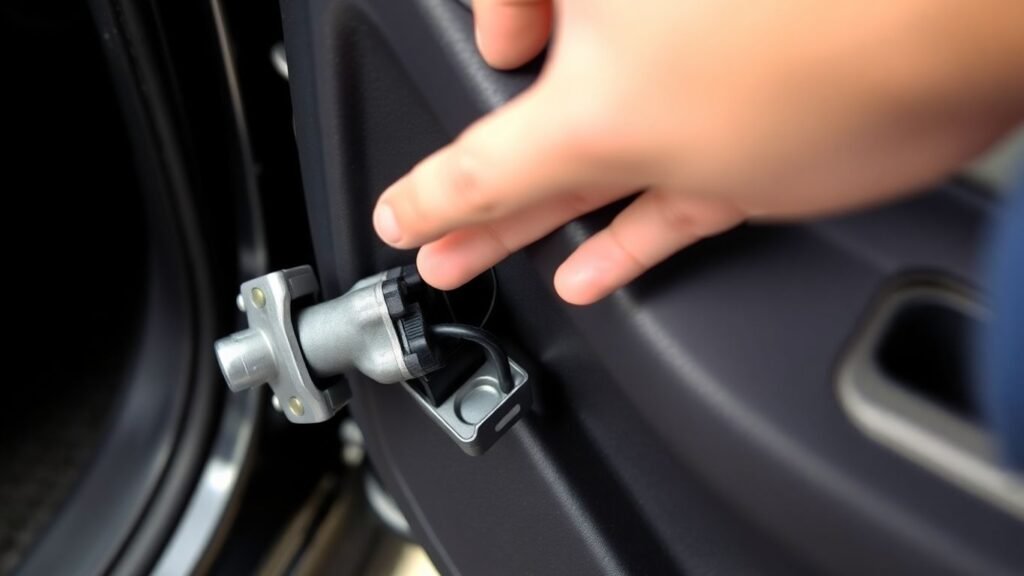
So, your Mazda’s door locks are acting up? Yeah, it’s a real pain. You push the button, and nothing happens, or maybe one door locks and the others don’t. It’s the kind of thing that makes you feel less secure and just generally annoyed. It often comes down to the Mazda door lock actuator, that little motor that does all the work. But don’t sweat it too much, most of the time, these issues are fixable without needing a whole new car. Let’s break down what might be going on and how you can get those locks working again.
Key Takeaways
- The Mazda door lock actuator is the part that physically moves your locks. When it fails, your locks won’t work right.
- Common reasons for failure include old age, electrical problems like bad wires or blown fuses, and even damage from weather.
- You can often tell if the actuator is bad by listening for strange noises or by testing each door lock individually.
- Problems with your key fob, like a dead battery or it needing to be reprogrammed, can also stop your power locks from working.
- Fixing a faulty Mazda door lock actuator usually means taking off the door panel to get to it, and sometimes you might need to replace the whole unit.
Understanding Your Mazda Door Lock Actuator
What Is A Door Lock Actuator?
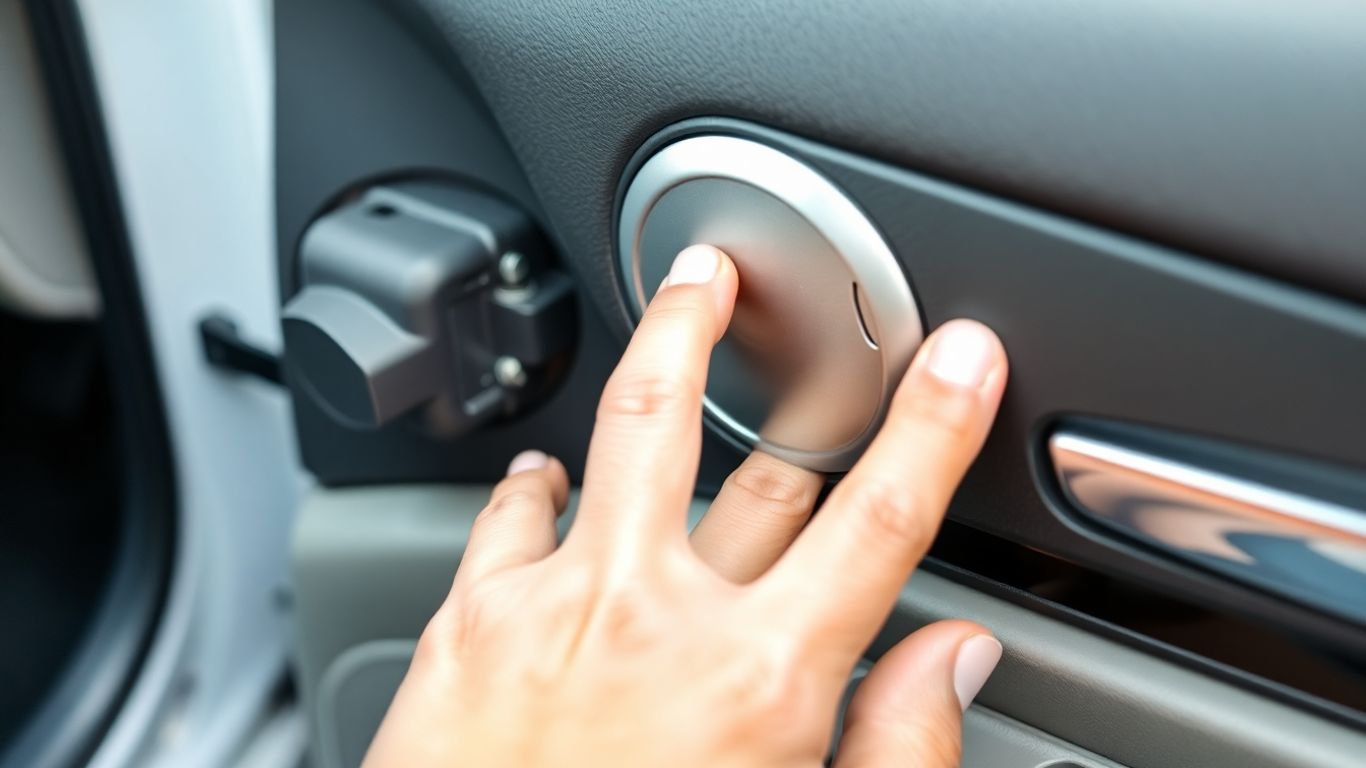
So, what exactly is this door lock actuator thing we keep talking about? Think of it as the little workhorse inside your car door that actually does the locking and unlocking. When you hit that button on your key fob or the switch inside the car, it’s the actuator that physically moves the rods and levers to secure or open your doors. It’s basically an electric motor with a set of gears and linkages all packed into a small housing. Without it, your power locks wouldn’t be so "power" anymore.
How The Actuator Functions
When you send a signal to lock or unlock your doors – either from the key fob or the interior switch – that signal travels through your car’s electrical system to the specific door lock actuator. This signal tells the small electric motor inside the actuator which way to turn. As the motor spins, it engages a mechanism that pushes or pulls on the rods connected to your door’s lock cylinder and handle. It’s a pretty neat system, designed for convenience and security. Most of the time, you won’t even hear it working, just a quiet click as the doors lock or unlock.
Signs Of A Failing Actuator
When an actuator starts to go bad, it usually makes its presence known. You might notice that a specific door is slow to lock or unlock, or maybe it doesn’t respond at all. Sometimes, you’ll hear a faint grinding or buzzing sound coming from inside the door when you try to operate the locks, but the door itself doesn’t lock or unlock. Intermittent operation is also a big clue – it works sometimes, and then it just stops. If one door is acting up while the others work fine, the actuator in that particular door is a prime suspect.
A failing actuator can be a real pain. It’s not just about convenience; it can also affect your car’s security if a door won’t lock properly. Paying attention to these early warning signs can save you from bigger headaches down the road.
Common Mazda Door Lock Actuator Failures
So, your Mazda’s door locks are acting up? It’s a real pain, isn’t it? You push the button, and nothing happens, or maybe one door locks and the others don’t. It’s usually not just one thing going wrong. Often, it’s the little electric motor inside the door, called the actuator, that’s the culprit. These things work hard every time you lock or unlock your doors, and over time, they just wear out. Think of it like any other small motor; it has gears and brushes that can get old and stop working right.
Then there are the electrical connections. Sometimes, it’s not the actuator itself but the wires leading to it. These wires can get frayed, corroded, or just loose, especially after years of opening and closing the doors. It’s like a tiny traffic jam for the electrical signals trying to get to the actuator. A loose connection might mean your locks work sometimes but not others, which can be super confusing.
And let’s not forget about the weather. Your car sits outside, right? Rain, snow, extreme heat – all that stuff can get into the door and mess with the electronics. Moisture is a big enemy of electrical components. It can cause corrosion on connectors or even damage the actuator motor directly. So, even if the actuator isn’t technically ‘worn out,’ environmental factors can cause it to fail.
It’s easy to blame the actuator right away, but sometimes the problem is simpler, like a blown fuse or a bad connection. Always check the easy stuff first before you start taking door panels apart.
Here’s a quick look at what can go wrong:
| Failure Type | Common Symptoms |
|---|---|
| Wear and Tear on Actuator | Slow operation, grinding noises, complete failure |
| Electrical Connection Issues | Intermittent operation, no response at all |
| Environmental Damage | Corrosion, actuator seizing, erratic behavior |
Diagnosing Mazda Door Lock Actuator Problems
So, your Mazda’s door locks are acting up. Maybe one door won’t lock, or perhaps the whole system seems dead. Before you panic and call a tow truck, let’s try to figure out what’s going on. Diagnosing these issues often comes down to a few key checks. Listening carefully to the sounds (or lack thereof) from each door can tell you a lot.
Listening For Actuator Sounds
When you press your lock or unlock button, or use the key fob, you should hear a little whirring or clicking sound from each door. This is the actuator motor doing its job. If you hear that sound from a specific door, but it still doesn’t lock or unlock, the motor itself might be working, but something else in the linkage or mechanism is stuck or broken. If you hear nothing at all from a particular door, that points more strongly towards a problem with the actuator motor itself or its electrical connection to that door.
Sometimes, a faint buzzing or grinding noise from a door lock can indicate that the actuator is trying to move but is encountering resistance. This could be due to internal wear or a jammed mechanism.
Testing Individual Door Locks
To get a clearer picture, it’s best to test each door lock individually. Try using the lock switch on the driver’s door for all doors, then try the switch on the passenger door (if applicable), and finally, use your key fob. Note which doors respond and which don’t. If only one door is affected, the problem is likely isolated to that door’s actuator, wiring, or switch. If multiple doors are affected, or if none of them work, the issue might be more widespread, possibly involving a fuse, relay, or the main control module.
| Door | Lock Button Response | Unlock Button Response | Key Fob Response |
|---|---|---|---|
| Driver’s | Working | Working | Working |
| Passenger | Not Working | Not Working | Not Working |
| Rear Left | Working | Working | Working |
| Rear Right | Working | Working | Working |
Checking Electrical Fuses and Relays
Fuses and relays are the gatekeepers of your car’s electrical system. A blown fuse or a faulty relay can easily cut power to the door lock system. You’ll need to consult your Mazda’s owner’s manual to find the fuse box (there might be more than one) and identify the specific fuse and relay that control the power door locks. Pull out the fuse and hold it up to the light; if the metal filament inside is broken, it’s blown and needs replacing. Relays are a bit trickier to test without specialized tools, but sometimes you can swap a suspect relay with an identical one from a non-critical system (like the horn, if it’s the same type) to see if that fixes the problem. Just remember to put the original relay back if it doesn’t solve the lock issue.
Troubleshooting Electrical System Faults
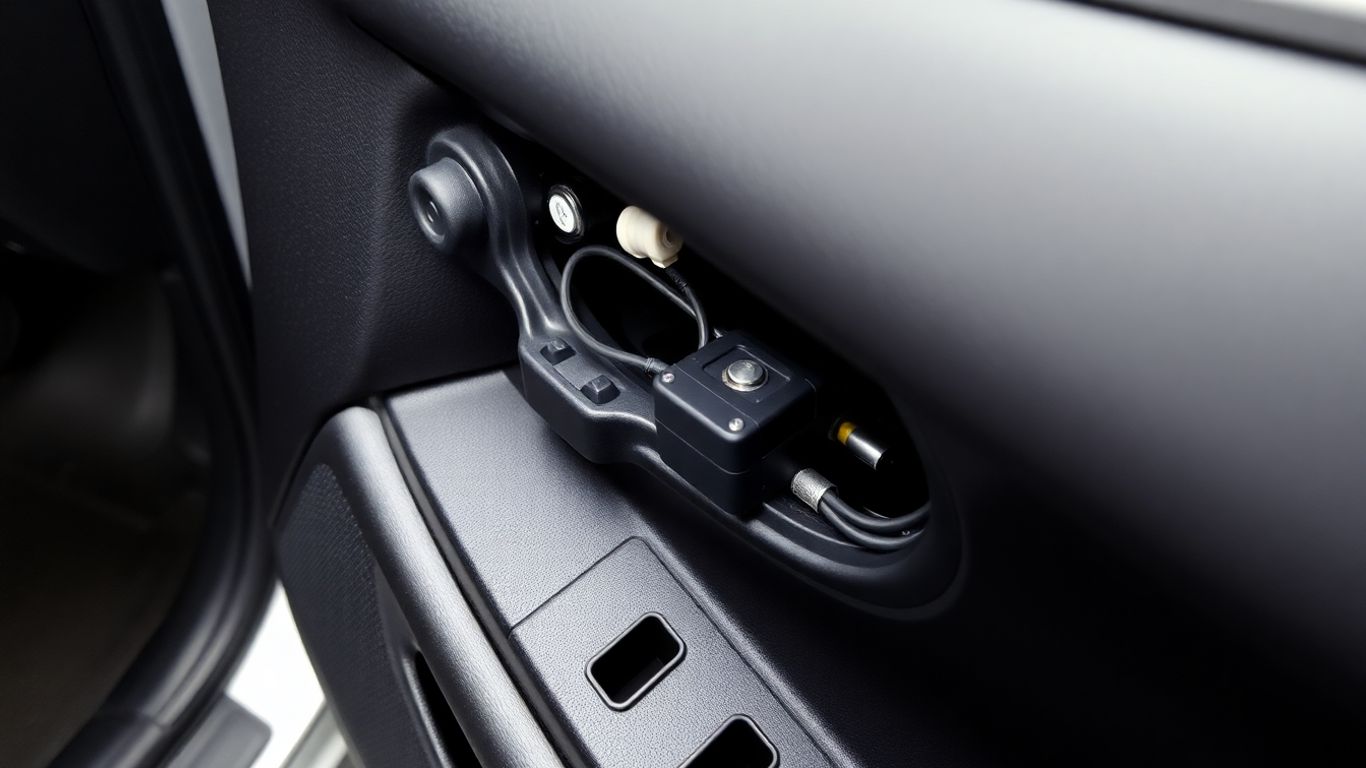
Sometimes, the problem with your Mazda’s door locks isn’t the actuator itself, but the electrical pathways that power it. Think of it like a faulty wire in a lamp – the bulb might be fine, but if the cord is damaged, it won’t light up. We need to check the wiring, the switches you use to lock and unlock doors, and even the car’s main brain for this stuff.
Inspecting Wiring Harnesses
The wiring harness is basically a bundle of wires that carries electrical signals all over your car, including to the door lock actuators. Over time, these wires can get frayed, corroded, or just plain loose, especially where they flex when you open and close the doors. You’ll want to carefully look at the wiring that goes into the door. Sometimes you can see obvious damage, like a wire that’s been chewed by a rodent or a connector that’s come undone. If you find any damaged wires, they’ll need to be repaired or replaced. It’s not always easy to spot, though. Sometimes the problem is hidden inside the protective loom.
Testing Door Lock Switches
Those buttons on your door panel and the ones on your key fob send signals to the system. If a switch is bad, it might not be sending the right signal, or any signal at all. You can test these switches, but it often requires a multimeter to check for continuity and voltage. If you’re not comfortable with that, a mechanic can easily test them for you. It’s a good idea to test both the switch inside the car and the buttons on your key fob, as they both rely on electrical signals.
Evaluating The Body Control Module
The Body Control Module, or BCM, is like the central computer for many of your car’s electronic features, including the power door locks. If the wiring and switches all seem okay, the BCM could be the issue. This is a more complex part of the system, and diagnosing it usually requires specialized tools. The BCM controls a lot of things, so a problem here could affect more than just your door locks. If you suspect the BCM is the culprit, it’s best to have a professional diagnose and repair it.
When troubleshooting electrical issues, always disconnect the battery before working on any wiring to avoid short circuits or personal injury. If you’re unsure about any step, it’s safer to consult a professional technician.
Key Fob And Remote System Issues
Replacing Key Fob Batteries
Sometimes, the simplest explanation is the right one. If your Mazda’s door locks aren’t responding to your key fob, the first thing to check is the battery inside the fob itself. Over time, these little batteries lose their juice, and a weak signal just won’t reach your car. Replacing the key fob battery is usually a quick and easy fix that can save you a lot of hassle. Most Mazda fobs use a common coin-cell battery, like a CR2032. You can usually pop the fob open with a small flathead screwdriver or even your fingernail, swap out the old battery for a new one, and snap it back together. It’s a good idea to keep a spare battery handy, just in case.
Reprogramming Your Key Fob
If a new battery doesn’t do the trick, or if your fob has been dropped or exposed to moisture, it might need to be reprogrammed. This process essentially re-establishes the communication link between your key fob and your Mazda’s security system. The exact steps can vary depending on your specific Mazda model, so it’s best to consult your owner’s manual. Some models allow for a DIY reprogramming procedure, which often involves a sequence of turning the ignition on and off and pressing buttons on the fob. If you can’t find the instructions or the DIY method doesn’t work, a dealership or a qualified automotive locksmith can usually reprogram it for you.
Assessing Key Fob Signal Strength
Occasionally, the issue isn’t with the battery or the programming, but with the fob’s ability to send a strong enough signal. This can happen if the fob’s internal components are damaged or if there’s interference. A weak signal might mean the lock or unlock commands are intermittent or only work when you’re very close to the car. You can try testing the signal strength by standing at different distances from your vehicle. If it only works when you’re right next to the door, and you’ve already replaced the battery and confirmed it’s programmed, the fob itself might be failing and need replacement. Sometimes, even a cracked or worn-out fob casing can affect signal transmission.
If your key fob seems to be the problem, and replacing the battery or reprogramming doesn’t solve it, consider the physical condition of the fob. Damage to the internal circuitry, even if not visible externally, can prevent it from sending a reliable signal to your Mazda’s door lock system. A professional can test the fob’s transmitter to see if it’s functioning correctly.
Repairing Or Replacing The Mazda Door Lock Actuator
So, your Mazda’s door lock actuator has finally given up the ghost, huh? It happens. When it’s time to fix it, you’re generally looking at two main paths: repair or replace. Sometimes, you can get away with just fixing the actuator itself, especially if it’s a common issue like worn-out internal gears. People have had success with repair kits, which usually involve swapping out small plastic gears and springs. It’s not for the faint of heart, though. You’ll need to get the actuator out of the door first, which means taking off the door panel. That can be a bit of a wrestling match, especially with stubborn clips and screws. Once you have the actuator out, you might need to carefully take it apart, transfer tiny parts, and put it all back together. It’s a fiddly job, and success isn’t guaranteed, but it can save you some cash.
Accessing The Actuator Behind The Door Panel
Getting to the actuator means you’ve got to peel back the door panel. This usually starts with finding and removing any visible screws, often hidden behind little covers or in the armrest. Then comes the fun part: prying off the panel itself. They’re usually held on with a bunch of plastic clips that pop out with a good tug. You might hear a lot of snapping sounds, which can be unnerving, but it’s often just the clips releasing. Be gentle but firm. Once the panel is loose, you’ll need to disconnect any cables for windows, door handles, and speakers before you can fully remove it. It’s like a puzzle, and you don’t want to break anything.
Replacing A Faulty Actuator Unit
If you’re going the replacement route, which is often simpler if you’re not super handy, you’ll need a new actuator. Make sure you get the right one for your specific Mazda model and door. With the door panel off and the old actuator exposed, you’ll see it’s usually held in place by a few screws and connected to the locking rods. You’ll need to unhook these rods and remove the screws. Then, just install the new actuator in reverse order, making sure the rods are connected correctly and the screws are snug. Double-check all your connections before you put the door panel back on.
Reassembling Door Components
Once the new (or repaired) actuator is in place and working, it’s time to put everything back. This is basically the reverse of taking it apart. Reconnect any wires or cables you disconnected from the door panel. Carefully align the panel and start snapping those clips back into place. You might need to give it a firm push around the edges to get everything seated properly. Then, put all the screws back in their original spots. Test the lock and unlock functions a few times before you consider the job done. It’s always a good idea to test it with the door open and then closed, just to be sure.
Sometimes, the issue isn’t the actuator itself but the wiring or the switch that controls it. Before you go pulling the door panel off, it’s worth checking the fuses and testing the door lock switch to rule out simpler electrical problems. A quick check of the wiring harness for any obvious damage can also save you a lot of hassle.
Wrapping It Up
So, if your Mazda’s door locks are acting up, don’t sweat it too much. We’ve gone over the usual suspects like a worn-out actuator, a simple blown fuse, or maybe even a grumpy key fob. Sometimes it’s just a bit of loose wiring. While some fixes, like swapping a fuse, are pretty straightforward for a DIYer, others might need a bit more know-how. If you’re not comfortable pulling door panels or digging into the electrical bits, it’s always a good idea to let a pro handle it. Keeping those locks working right means your car stays secure and you don’t have to deal with the hassle of getting in or out. A little attention now can save you a headache later.