
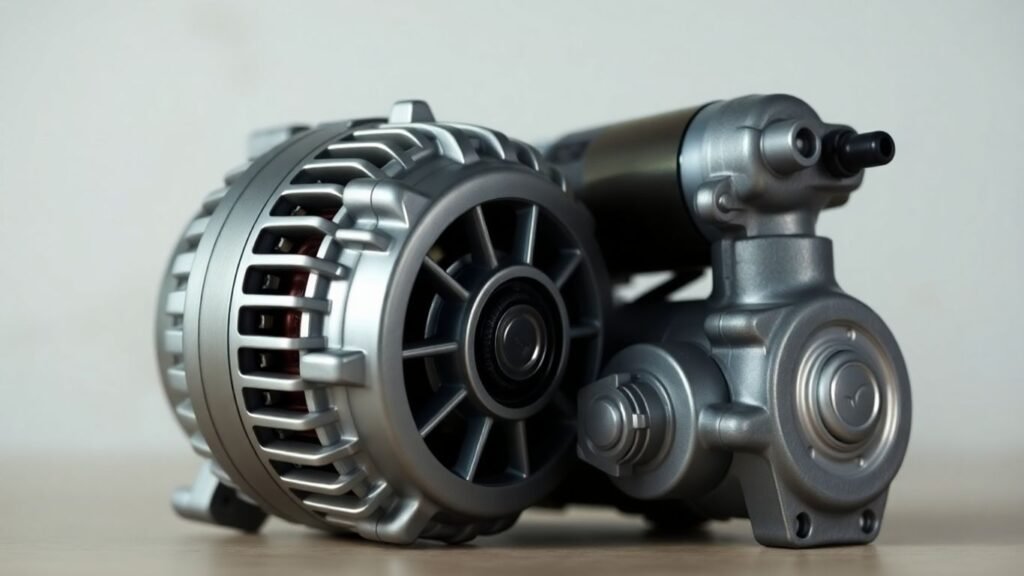
So, your Mazda is being a bit stubborn and won’t start? It’s a real pain, I know. Usually, it comes down to a couple of main suspects: the alternator or the starter motor. These two parts work together to get your engine going and keep it running. If one of them is acting up, you’re going to notice it pretty quickly, often with a no-start situation. Let’s figure out what might be going on with your Mazda alternator and starter motor.
Key Takeaways
- A clicking sound when you try to start your Mazda often points to a problem with the starter motor.
- Check your battery connections first; loose or corroded cables can cause starting issues.
- A weak or dead battery is a very common reason your Mazda won’t start, especially in cold weather.
- The alternator charges the battery while the engine runs; if it fails, the battery won’t get power.
- Simple checks like inspecting fuses and ensuring your key fob battery is good can sometimes solve the problem without a mechanic.
Diagnosing Mazda Alternator and Starter Motor Issues
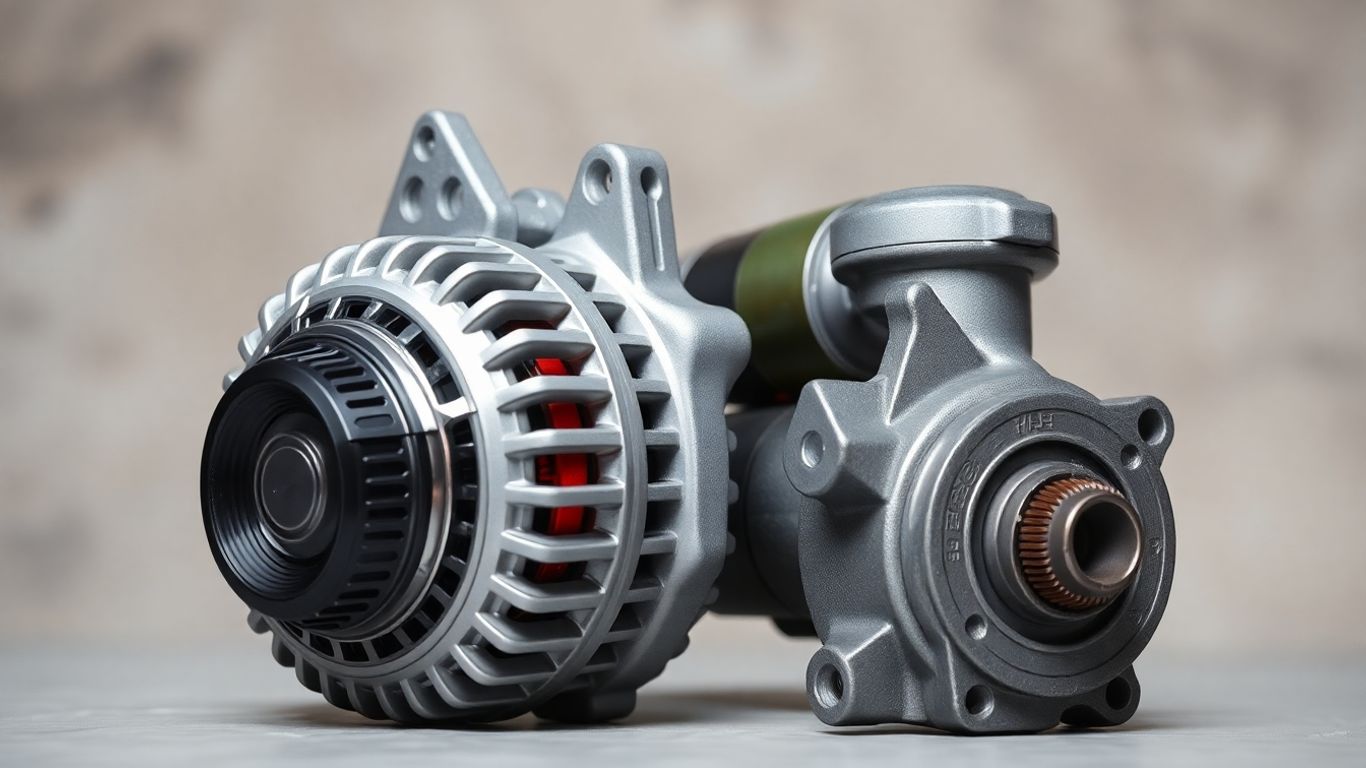
When your Mazda decides not to start, it can really throw a wrench in your day. Before you start thinking the worst, let’s break down how to figure out what’s going on with the alternator and starter motor. These two parts are pretty key to getting your engine fired up and keeping it running smoothly.
Understanding the Role of the Alternator
The alternator is basically your car’s power generator once the engine is running. It takes the mechanical energy from the engine’s rotation and turns it into electrical energy. This electricity then powers all your car’s electrical systems – lights, radio, power windows, and most importantly, it recharges the battery. If the alternator isn’t doing its job, the battery won’t get recharged, and eventually, you’ll run out of juice to start the car or even keep it running.
Recognizing Starter Motor Symptoms
The starter motor is the workhorse that actually gets the engine spinning when you turn the key or push the start button. It’s a powerful electric motor that engages with the engine’s flywheel to crank it over. Common signs that your starter motor might be having trouble include a single, loud click when you try to start the car, or a grinding noise. Sometimes, you might hear nothing at all, even though the battery seems fine. A clicking sound is often the most telling sign of a starter motor problem.
Initial Checks for Mazda Starting Problems
Before you get too deep into things, a few quick checks can point you in the right direction. First off, listen carefully when you try to start your Mazda. Do you hear the engine crank over slowly, or not at all? Is there a clicking sound? Or does everything seem normal, but the engine just won’t catch? Also, check your dashboard lights. If they’re dim or flicker when you try to start, it could be a battery issue, which indirectly affects the starter and alternator. Sometimes, a simple visual check of the battery terminals for corrosion or looseness can reveal a lot. It’s also worth checking if your key fob battery is dead, as this can prevent modern Mazdas from even trying to start.
Don’t forget the basics. Sometimes the simplest things, like a loose battery cable or a blown fuse, can mimic more complex electrical problems. Taking a moment for these initial checks can save you a lot of time and frustration down the road.
Common Mazda Alternator and Starter Motor Faults
When your Mazda decides not to start, it’s usually one of a few common electrical gremlins causing the trouble. Let’s break down what might be going on with your alternator and starter.
Signs of a Failing Mazda Alternator
The alternator’s job is to keep your battery topped up while the engine’s running. If it’s not doing its job, you’ll notice things like your headlights dimming, especially when you’re idling or using other electrical accessories. You might also see the battery warning light pop on your dashboard. Sometimes, the car might start okay but then die unexpectedly later because the battery isn’t getting the juice it needs. It’s like trying to run a marathon on an empty water bottle – eventually, you just run out of steam.
When the Mazda Starter Motor Clicks
This is a classic sign. You turn the key, or push the start button, and instead of the engine roaring to life, you hear a single, distinct click, or maybe a rapid series of clicks. This usually means the starter motor is getting power, but it doesn’t have enough oomph to actually turn the engine over. It could be a weak battery struggling to send enough current, or the starter motor itself might be on its way out. It’s like trying to push a heavy door – you can put some effort in, but if you’re not strong enough, it just won’t budge.
Visible Wear and Damage on the Starter
Sometimes, the problem isn’t just a sound or a warning light; you can actually see signs of trouble. If you’re comfortable getting under your Mazda (and have it safely supported, of course!), you might be able to spot physical damage on the starter motor. Look for any cracks, signs of overheating like melted plastic or wires, or excessive rust and corrosion. Worn-out electrical connections on the starter can also cause issues.
It’s easy to overlook the simple stuff when your car won’t start. Before you assume the worst, give the battery terminals a good look. Corroded or loose connections can completely block the flow of electricity, making even a healthy battery and starter seem useless. A quick clean and tighten can sometimes solve the whole puzzle.
Here’s a quick look at what might be happening:
| Symptom | Likely Cause(s) | Potential Fix |
|---|---|---|
| Dimming lights, battery light | Failing alternator, weak battery | Test and replace alternator, check/replace battery |
| Single or rapid clicking | Weak battery, faulty starter motor | Jump start, test battery, inspect/replace starter |
| No sound, no lights | Dead battery, bad connection, faulty ignition | Check battery, clean terminals, check fuses/ignition |
Troubleshooting Your Mazda’s Electrical System
Sometimes, the problem with your Mazda not starting or acting weird isn’t the big, flashy parts like the alternator or starter itself. It’s often the simpler stuff that gets overlooked. Let’s talk about how to check those out.
Checking Fuses for Electrical Interruptions
Fuses are like tiny circuit breakers for your car. They protect different electrical bits from getting too much power, which could fry them. If a fuse blows, whatever it’s connected to just stops working. This could be anything from your power windows to your radio, or even something that stops the car from starting altogether. Your Mazda has a fuse box, usually under the dashboard or in the engine bay, and each fuse has a specific job. You’ll want to find the diagram that shows which fuse is for what. If something electrical isn’t working, pull out the fuse for that system and hold it up to the light. If the little metal wire inside is broken, that fuse is blown and needs replacing. Always replace a blown fuse with one of the exact same amperage rating. Putting in a higher-rated fuse is a fire hazard, and a lower-rated one will just blow again right away.
Inspecting Battery Connections
This one’s super common and easy to fix if it’s the problem. Your battery needs a clean, tight connection to send power to the rest of the car. Over time, the terminals where the cables connect to the battery can get covered in a white or bluish powdery stuff – that’s corrosion. This gunk acts like an insulator, blocking the flow of electricity. You can usually clean this off with a wire brush and a mixture of baking soda and water. Just make sure the battery is disconnected before you start cleaning! Also, give the cables a good wiggle. If they feel loose, tighten them up. A loose connection can cause all sorts of weird electrical gremlins, from the car not starting to intermittent power issues.
The Importance of the Ignition Switch
The ignition switch is what you interact with every time you turn the key or push the start button. It’s the gatekeeper for power getting to the starter and other systems. If this switch starts to go bad, it might not send the right signals, or any signal at all. You might notice the key feels loose, gets stuck, or the car sometimes cranks but doesn’t start, or doesn’t do anything at all. It’s not something you can easily test without some tools, but if you’ve checked the battery, connections, and fuses and still have problems, the ignition switch is a strong suspect. It’s usually best to have a mechanic look at this one.
Sometimes, the simplest checks are the most effective. Before you start pulling out complex diagnostic tools, take a moment to look at the basics. A corroded battery terminal or a blown fuse can mimic more serious issues, saving you time and money if you catch them early.
| Component | Common Issue | Potential Symptom |
|---|---|---|
| Fuses | Blown fuse | Specific electrical component failure (e.g., radio) |
| Battery Terminals | Corrosion or loose connection | No crank, dim lights, intermittent power |
| Ignition Switch | Worn contacts or internal failure | No crank, intermittent starting, key issues |
Battery Health and Mazda Starting
When your Mazda won’t start, the battery is often the first thing to look at. It’s like the heart of your car’s electrical system, and if it’s not healthy, nothing else really works right. A weak or completely dead battery is a super common reason your engine just won’t turn over.
Assessing Battery Voltage Levels
So, how do you know if your battery is the problem? You can check its voltage. You’ll need a multimeter for this. Hook it up to the battery terminals – positive to positive, negative to negative. A healthy, fully charged battery should read around 12.6 volts or a bit higher. If you’re seeing readings below 12.4 volts, especially when the engine is off, it’s probably not holding a charge very well. Even lower readings, like 12.0 volts or less, mean it’s pretty much dead and needs attention.
| Battery Condition | Voltage Reading |
|---|---|
| Fully Charged | 12.6V+ |
| Weak / Discharging | 12.4V – 12.6V |
| Discharged | Below 12.4V |
The Impact of Cold Weather on Batteries
Cold weather really does a number on car batteries. Think about it – when it’s freezing outside, the chemical reactions inside the battery that create power slow down. At the same time, your engine oil gets thicker, making the engine harder to turn over. This means your battery has to work twice as hard to start the car in the cold, and a battery that might be okay in warmer weather can suddenly seem weak or dead when the temperature drops.
If your car struggles to start on a cold morning, even after sitting overnight, your battery might be on its last legs. It’s not just about the voltage; it’s about its ability to deliver the power needed when conditions are tough.
When to Consider Battery Replacement
Batteries don’t last forever, usually around 3 to 5 years, depending on climate and how you use your car. If your battery is getting older, or if you’ve had to jump-start it a few times recently, it’s probably a good idea to think about replacing it. Ignoring a weak battery can lead to you getting stranded, and it can also put extra strain on your alternator trying to keep it charged. It’s often cheaper and less stressful to replace a battery proactively rather than waiting for it to fail completely.
Advanced Mazda Alternator and Starter Motor Checks
Testing the Alternator’s Charging Capability
So, you’ve checked the basics, and things still aren’t right. It might be time to get a bit more hands-on with testing the alternator. This part is where you really see if it’s doing its job of keeping your battery fed. You’ll need a multimeter for this. With the engine off, check your battery’s voltage. It should be somewhere around 12.6 volts. Now, start the engine. The voltage should jump up, usually between 13.5 and 14.5 volts. If it stays the same or drops, your alternator probably isn’t charging the battery like it should. This is a pretty solid indicator that the alternator is on its way out.
Diagnosing Starter Motor Electrical Issues
If the alternator seems okay, but your Mazda still just clicks or does nothing when you turn the key, the starter motor itself might be the problem. Beyond the clicking sound, you can check the electrical connections going to the starter. Make sure they’re clean and tight. Sometimes, a starter solenoid can go bad, which is part of the starter assembly. Testing the solenoid usually involves checking for voltage at the starter when the key is turned. If you’re getting power to the starter but it’s not engaging, the starter motor itself might be worn out or have internal damage.
When you suspect a starter motor issue, especially if you hear that distinct ‘click’ but no crank, it’s often a sign of a worn-out starter or a weak solenoid. Don’t ignore it; a failing starter can leave you stranded.
Seeking Professional Assistance for Complex Repairs
Look, sometimes you just hit a wall. If you’ve gone through the basic checks and even tried some of these more advanced tests, and you’re still scratching your head, it’s probably time to call in the pros. Alternators and starter motors are pretty important parts, and messing with them without the right knowledge or tools can sometimes make things worse. A good mechanic has specialized equipment to pinpoint exactly what’s wrong and can replace the part correctly. It might cost a bit more upfront, but it saves you the headache and potential for further damage.
Preventative Maintenance for Your Mazda

Taking good care of your Mazda can save you a lot of headaches down the road, especially when it comes to starting it up. It’s not just about waiting for something to break; a little bit of regular attention goes a long way.
Regular Alternator and Starter Inspections
Think of your alternator and starter like the heart and lungs of your car’s starting system. You wouldn’t ignore chest pains, right? So, don’t ignore little signs from these parts. It’s a good idea to have them looked at during your regular service appointments. A mechanic can check if the alternator is putting out the right amount of power and if the starter motor is engaging smoothly. Sometimes, just a quick visual check for any loose wires or obvious damage can catch a problem before it leaves you stranded.
Maintaining Battery Terminal Cleanliness
Your battery is the spark that gets everything going, and those terminals are where the power flows. If they get covered in white or bluish gunk (that’s corrosion), the connection gets weak. This can make your car crank slowly or not start at all. Cleaning them is pretty simple. You can disconnect the battery (negative terminal first!), then use a wire brush or a special battery terminal cleaner to scrub them clean. Make sure they’re dry before reconnecting (positive terminal first this time). Keeping these clean is one of the easiest ways to avoid starting trouble.
Proactive Electrical System Checks
Your Mazda’s electrical system is a complex network. While you might not be able to check every wire, being aware of warning lights on your dashboard is important. If the battery light comes on, it’s a sign something’s up with the charging system, likely the alternator. Also, pay attention to how your car sounds when you turn the key. Any unusual noises, like grinding or a weak crank, are signals to get it checked out. It’s better to investigate a small oddity than to wait for a complete breakdown.
Sometimes, the simplest checks are the most overlooked. Things like ensuring your battery terminals are free from corrosion and that all connections are snug can prevent a no-start situation. Don’t underestimate the power of a clean, solid electrical connection.
Wrapping Up
So, if your Mazda is acting up and won’t start, don’t just throw your hands up. We’ve gone over a bunch of the usual suspects, from a dead battery or a wonky alternator to a starter motor that’s seen better days. Sometimes it’s as simple as a blown fuse or a key fob battery that’s given up the ghost. Remember to check those connections and listen for any weird noises when you try to turn the key. While a lot of these issues can be tackled with a bit of patience and the right tools, don’t be afraid to call in a pro if you’re feeling overwhelmed. Regular check-ups are your best bet for keeping these problems from popping up in the first place. Stay safe out there!