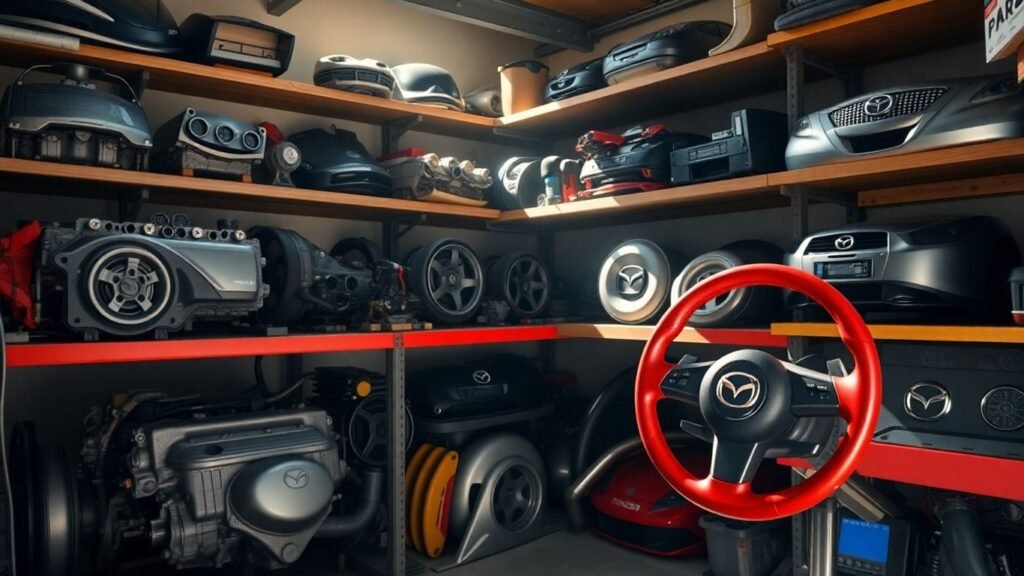
Looking for parts for your Mazda in Australia? It can be a bit of a hunt, but with the right approach, you can find exactly what you need without breaking the bank. Whether you’re restoring a classic or just need to replace a worn-out component, knowing where to look and what to check is key. This guide will help you find quality Mazda used parts Australia has to offer.
Key Takeaways
- When buying Mazda used parts Australia wide, check for damage, rust, and previous repairs, especially on body and chassis components.
- Inspect interior parts like dash tops and seats for cracks or wear, and test all electrical systems thoroughly.
- For engine and drivetrain parts, look for signs of leaks, wear, and ensure they match your vehicle’s specifications.
- Iconic models like the RX-7 and RX-2, and popular vehicles like the BT-50 Ute, have specific parts availability and considerations.
- Always verify part compatibility and condition, compare prices, and consider the long-term benefits of using reliable used parts.
Navigating The Mazda Used Parts Landscape In Australia
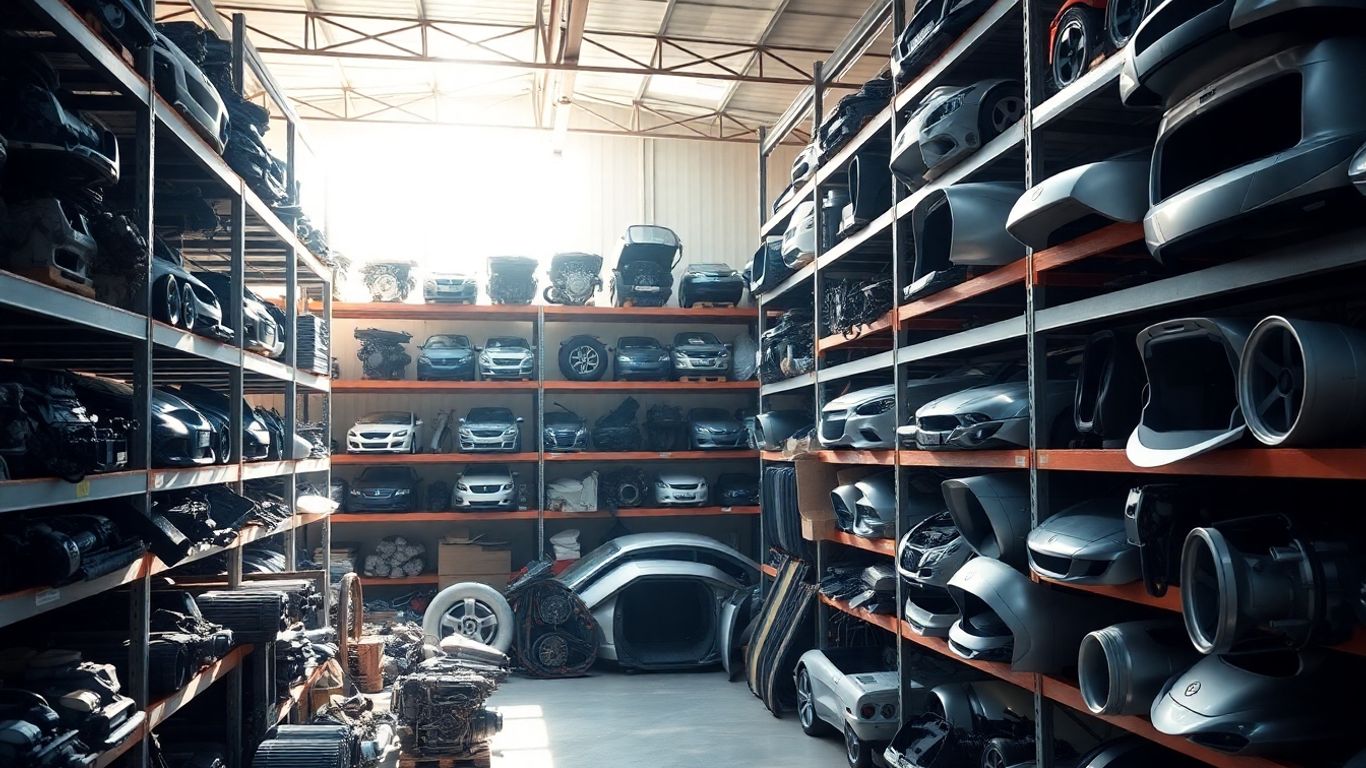
Finding the right used parts for your Mazda in Australia can feel like a treasure hunt. There’s a lot of demand for these parts, especially for popular models that have been around for a while. People are always looking to keep their Mazdas running smoothly, whether it’s a classic RX-7 or a trusty BT-50 ute. This means the market for used parts is pretty active. You’ve got everything from individual enthusiasts selling off spares to dedicated wreckers and specialized parts suppliers. It’s a good thing, generally, because it means you can often find what you need without breaking the bank. But it also means you have to be a bit savvy about where you look and what you’re buying.
Understanding The Demand For Mazda Used Parts Australia
The popularity of Mazda vehicles in Australia, both past and present, directly fuels the demand for used parts. Think about the iconic RX-7, a car that still has a massive following. Owners are always on the lookout for specific components to keep these performance machines on the road, or to restore them to their former glory. Then there are the more common models, like the Mazda 3 or CX-5, where wear and tear means parts like alternators, radiators, or body panels are frequently needed. Even older, workhorse models like the BT-50 ute have a steady demand for parts, especially for those used in tougher conditions. This consistent need means a healthy supply chain of used parts has developed across the country.
Key Considerations When Sourcing Mazda Used Parts
When you’re on the hunt for used Mazda parts, a few things should be top of mind. First off, compatibility is king. You need to be absolutely sure the part you’re looking at will fit your specific year and model of Mazda. A quick VIN check or a chat with the seller can save a lot of headaches later. Then there’s the condition of the part. Is it a genuine Mazda part, or an aftermarket one? What’s the wear and tear like? For mechanical components, asking about the vehicle it came from – its mileage, its service history – can give you a good idea of the part’s remaining life. Don’t be afraid to ask questions; a reputable seller will be happy to provide details. Also, think about the seller themselves. Are they a well-known wrecking yard with a good reputation, or a private seller? The former often offers some level of warranty or return policy, which can be a lifesaver.
Where To Find Reputable Mazda Used Parts Suppliers
Australia has a network of places where you can score used Mazda parts. Your first stop might be local automotive wreckers or scrapyards. Many of these have websites where you can search their inventory, or you can give them a call. Online marketplaces are also huge. Think Gumtree, eBay, and specialized automotive parts websites. These platforms often have sellers from all over Australia, giving you a wider selection. Some larger wrecking yards even have their own dedicated online stores. For more niche or classic Mazda parts, you might need to look at dedicated Mazda forums or enthusiast clubs. Members often sell parts they no longer need, and they’re usually knowledgeable about what’s genuine and what’s not. It’s all about casting a wide net and doing a bit of research to find the most reliable sources.
Identifying Quality Mazda Used Parts For Your Vehicle
So, you’re looking for used parts for your Mazda, huh? It can feel a bit like a treasure hunt, but with a few pointers, you can definitely find some good stuff. It’s all about knowing what to look for, especially when you’re not buying brand new.
Inspecting Body And Chassis Components
When you’re checking out body panels or chassis bits, the first thing to do is give them a good once-over. Look for any signs of rust, especially around the wheel arches, sills, and window frames. Even small spots can mean bigger problems underneath. Also, check for any dents or poorly done repairs. Sometimes, a car might have been in a crash, and the fix job wasn’t great, which can cause issues down the line. Try to see if the paint looks consistent; if there are areas that seem a bit off, it might have been repainted after an accident. For chassis components, make sure nothing looks bent or twisted. This is super important because it affects how your car handles and how the suspension sits.
Don’t underestimate the importance of a straight chassis; it’s the backbone of your car and issues here can be costly to fix.
Evaluating Interior And Electrical Parts
Inside the car, plastics can get brittle and crack, especially if they’ve been sitting in the sun for years. Check the dashboard for any splits, and look at the door trims and handles to see if they’re worn out or broken. If you’re looking at electrical parts, like window motors or headlight mechanisms, try to test them if you can. For older Mazdas, things like ventilation fans or air conditioning systems might be a bit temperamental. Seats can also be a giveaway; if the padding is completely flat and uncomfortable, it suggests the car has seen a lot of use, and other parts might be worn too. Sometimes, you might find later model seats have been swapped in, which could be a good thing if they’re in better shape.
Assessing Engine And Drivetrain Components
This is where things can get a bit technical, but there are still things you can check. If you’re looking at an engine, listen for any strange noises when it’s running. Smoke from the exhaust can be a sign of worn seals, which means a rebuild might be needed. Check the coolant hoses for any cracks or leaks – a burst hose can quickly overheat a rotary engine. For transmissions, they’re usually pretty tough, but if you’re buying a whole unit, ask about its history. It’s hard to tell the condition of internal parts just by looking, so getting some sort of guarantee or at least a clear history is helpful. If you can, ask if the part has been recently serviced or if any major work has been done on it.
Special Considerations For Iconic Mazda Models
Finding Parts For The Mazda RX-7
When you’re hunting for parts for a Mazda RX-7, especially the older models like Series 1, 2, or 3, you’re dealing with a bit of a legend. These cars are sought after, which means parts can be tricky to find and sometimes pricey. Common issues to watch out for include body damage that’s been poorly fixed, especially around the chassis rails and strut mounts – that stuff can lead to big headaches with the suspension later on. Water leaks are also a thing, often around the rear window, so check the boot area for dampness. Paint that’s peeling or faded on the door edges can be a sign the car’s been repainted, which might hide other problems. Rust can pop up around the wheel arches, sills, and windscreen frames. Some smaller bits, like indicator lenses or door handles, are still out there, but don’t expect them to be cheap. If you see a car with a fibreglass body kit, be cautious; they’re easily damaged and repairs aren’t straightforward.
The rotary engine, while unique and exciting, demands specific knowledge and care. Finding mechanics experienced with these engines can be as challenging as finding the parts themselves.
Here’s a rough idea of what you might see for a Series 3 Limited RX-7:
| Condition | Estimated Value |
|---|---|
| Fair | $10,000 |
| Good | $28,500 |
| Excellent | $39,000 |
Keep in mind, truly exceptional examples can fetch even more.
Sourcing Components For The Mazda RX-2
The Mazda RX-2, or Capella as it was known in some markets, is another classic that collectors love. These cars, built between 1970 and 1977, came as coupes or sedans with a 1.1-litre rotary engine. Finding parts for these can be tough because they’re older and weren’t built in the same numbers as some other Mazdas. Interior parts are a big one; cracked dashboard tops are common and hard to find in good shape. Door trims can be expensive if you find reproduction sets, and even original alloy-spoke steering wheels can command a good price. Make sure the ventilation system works properly, including the air conditioning if the car is supposed to have it. The original seats might be worn out and uncomfortable, so many RX-2s have had later-model seats fitted. When checking the body, look for signs of old accident repairs, especially on the chassis. The suspension and brakes (front discs, rear drums) are fairly standard for the era, but worn components will need replacing.
Locating Parts For The Mazda BT-50 Ute
For the Mazda BT-50 ute, you’re generally looking at more modern parts compared to the RX models. These are workhorses, so parts often wear out from regular use. You’ll find a good supply of used parts for common wear-and-tear items like brakes, suspension components, and body panels. Check for damage to the tray, chassis, and any aftermarket accessories fitted. Electrical components and interior trim are usually readily available, but inspect them for damage or excessive wear. The engine and drivetrain parts are generally robust, but if you need something specific, check with specialist ute wreckers. Because the BT-50 shares platforms with other vehicles, some parts might be interchangeable, which can broaden your search. It’s always a good idea to have your VIN handy when looking for specific parts to ensure compatibility.
Ensuring Authenticity And Value In Your Purchase
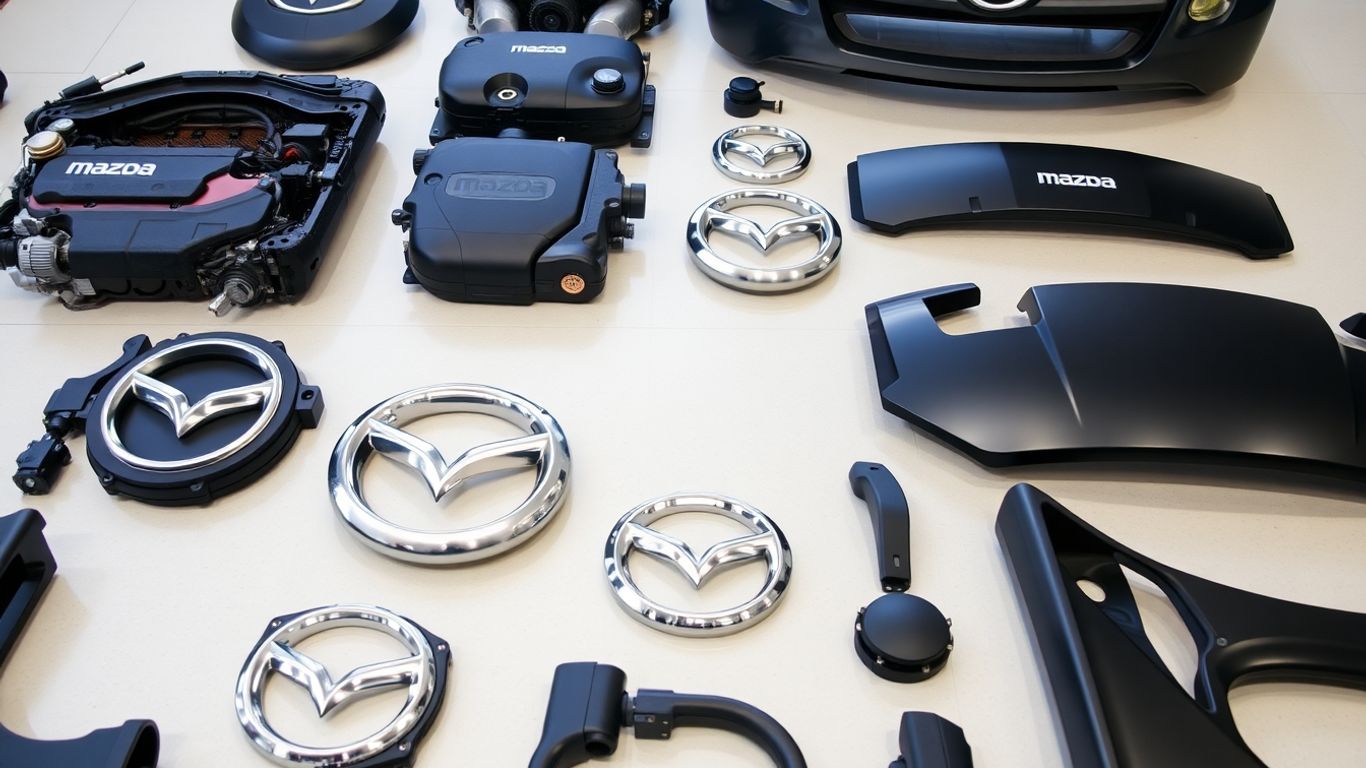
So, you’ve found a part that looks like it’ll do the job for your Mazda. That’s great! But before you hand over your hard-earned cash, let’s talk about making sure you’re getting the real deal and not just some worn-out junk. It’s all about being smart and doing a little homework.
Verifying Part Compatibility And Condition
First things first, does this part actually fit your specific Mazda model and year? Don’t just assume. Check the part number if you can find it, and cross-reference it with your car’s manual or a reliable online parts database. A part that looks similar might not bolt right up, and that’s a headache nobody needs. When you’re looking at the part itself, give it a good once-over. Are there any cracks, bends, or signs of excessive wear? For mechanical bits, ask about their history. Was it from a running car? Was it replaced due to failure or just an upgrade? A quick visual inspection can tell you a lot, but asking the right questions is just as important.
Understanding Pricing For Mazda Used Parts Australia
Pricing for used Mazda parts in Australia can be all over the place. It really depends on how common the part is, how hard it is to find, and the condition it’s in. You might find a common filter for next to nothing, while a rare engine component for an older model could set you back a bit. It’s a good idea to shop around a bit. Get a few quotes from different wreckers or online sellers before you commit. This way, you get a feel for what’s a fair price and what’s someone trying to take advantage. Remember, a slightly higher price for a part that’s in excellent condition and comes with a bit of a guarantee is often worth it in the long run.
The Benefits Of Choosing Certified Used Parts
Sometimes, you might come across parts that are advertised as ‘certified’ or ‘tested’. This usually means the seller has put the part through some checks to make sure it’s in good working order. It might cost a little more than a part sold as-is, but it can give you some peace of mind. Think of it like buying a used car with a warranty versus buying one from a private seller with no guarantees. While not always available for every single used part, if you see it, it’s worth considering, especially for more complex or expensive components. It’s about reducing your risk and getting a part that’s more likely to work correctly when you install it.
Buying used parts can save you a good chunk of money, but it’s not a free-for-all. You still need to be a savvy shopper. A little bit of research and careful inspection can save you a lot of trouble down the road. Don’t be afraid to ask questions and compare options. Your Mazda will thank you for it.
Maximizing The Lifespan Of Your Mazda With Used Parts
So, you’ve found some great used parts for your Mazda, maybe a replacement engine or some interior trim. That’s awesome! But just slapping them in isn’t always the best move. To really get the most out of these parts and keep your Mazda running strong for years, you’ve got to think about how you install them and how you take care of your car afterward.
Proper Installation Techniques For Used Parts
When you’re putting in a used part, especially something mechanical like an engine or transmission, it’s not just about bolting it up. You really need to make sure everything is clean before it goes in. Think about it – if the old part had gunk in it, you don’t want that getting into your new-to-you component. For engines, flushing out the old oil passages and making sure coolant lines are clear is a big deal. Same goes for transmissions; get any old sludge out. And don’t forget the small stuff. If you’re replacing a hose, it’s probably a good idea to replace the clamps too. They don’t cost much, and a leaky clamp can cause all sorts of headaches down the line. If you’re not totally sure about a specific installation, it’s way better to get a mechanic who knows Mazdas to do it. They’ll have the right tools and know-how to get it done right the first time, saving you potential grief later.
Maintenance Tips For Vehicles With Used Components
Once that used part is in, you can’t just forget about it. Regular checks are your best friend. For engines, keep an eye on fluid levels – oil, coolant, brake fluid – more often than you might have before. Listen for any weird noises. A little rattle or squeak that wasn’t there before could be an early warning sign. If you put in a used transmission, pay attention to how it shifts. Is it smoother? Any hesitations? For body parts, keep them clean and waxed, just like you would with new ones, to prevent rust or fading. It’s also smart to keep a record of what parts you’ve replaced and when. This helps you track the history of your car and know what to look out for next.
Taking care of your Mazda with used parts means being a bit more attentive. It’s like having an older, but still reliable, friend – you just need to check in on them a little more often to make sure they’re doing okay. Small, consistent efforts go a long way in keeping things running smoothly.
When To Opt For New Versus Used Mazda Parts
This is where you have to be smart. For some things, used is totally fine, even great. Things like body panels, interior trim pieces, or even some suspension components can be perfectly good when bought used. But then there are parts where you really want to think twice. Safety-related items, like brake lines, airbags, or critical steering components, are often best bought new. You just can’t be sure of the history or stress a used safety part has been through. Also, if a new part is only slightly more expensive than a used one, and it comes with a warranty, going new might be the smarter long-term choice. It really comes down to the specific part, its importance to the car’s function and safety, and the cost difference. Sometimes, spending a bit more upfront on a new part saves you a lot of trouble and money down the road.
Wrapping It Up: Your Mazda Parts Journey
So, you’re on the hunt for used Mazda parts in Australia. It can feel like a big task, but remember, with a little patience and knowing where to look, you can definitely find what you need. Whether you’re fixing up a classic RX-7 or keeping a trusty BT-50 ute on the road, there are plenty of options out there. Check out specialist wreckers, online marketplaces, and even Mazda dealerships for genuine parts. Don’t be afraid to ask questions and compare prices. Getting the right part at a fair price means your Mazda will be back to its best in no time. Happy hunting!